JEE MAIN 2022 · 27 JUN S2Electrophilic addition to alkenes
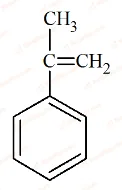
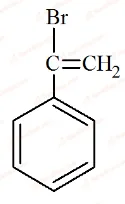
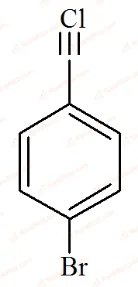
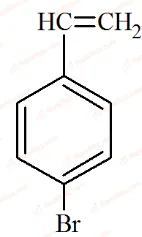
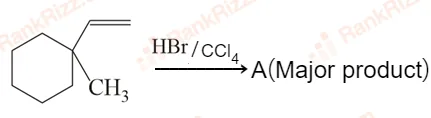
Product 'A' of following sequence of reactions is

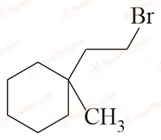
- A
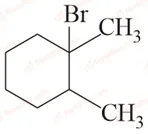
- B
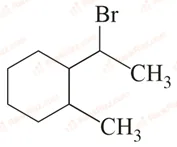
- C
- D
Every Hydrocarbons question JEE Main has set from 2004–2026, grouped by the idea it tests rather than the order of the syllabus. 201 questions across 10 distinct ideas. Free to read, answer key on every one.
DATA UPDATED
Questions
201
Distinct ideas
10
Share of marks
4.8%
Difficulty
HARD
A chapter is not one subject — it is a handful of procedures the examiner reuses. These are the ones Hydrocarbons questions actually test.
101–120 OF 201 · NEWEST FIRST
Product 'A' of following sequence of reactions is
The major product of the following reaction is:
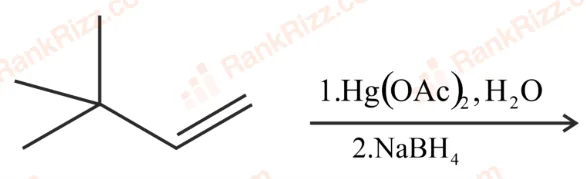
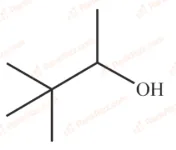
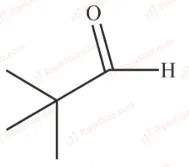
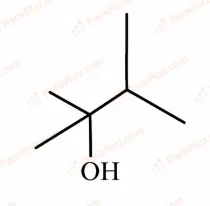
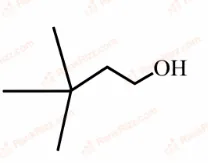
The product formed in the following reaction.
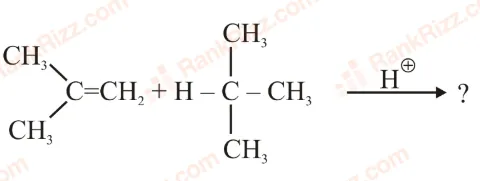
is:
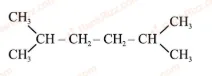
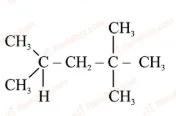
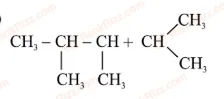
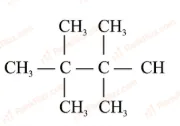
Amongst the following, the major product of the given chemical reaction is
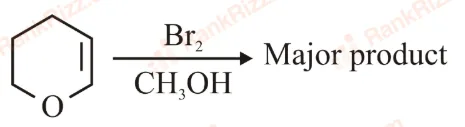
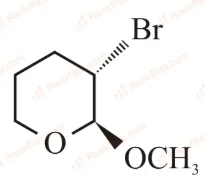
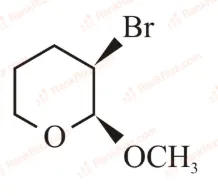
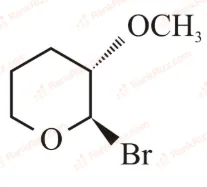
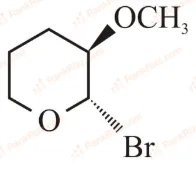
The major product 'A' of the following given reaction has hybridized carbon atoms.
(Major Product)
The number of hybridized carbon atoms in 'A' is ______
Given below are two statements.
Statement I: The presence of weaker -bonds make alkenes less stable than alkanes
Statement II: The strength of the double bond is greater than that of carbon-carbon single bond.
In the light of the above statements, choose the correct answer from the options given below.
Both Statement I and Statement II are correct.
Both Statement I and Statement II are incorrect.
Statement I is correct but Statement II is incorrect.
Statement I is incorrect but Statement II is correct.
Which of the following reagents / reactions will convert 'A' to 'B'?
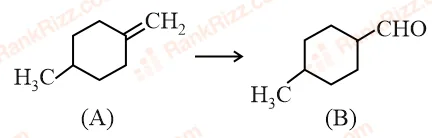
PCC oxidation
Ozonolysis
followed by PCC oxidation
HBr, hydrolysis followed by oxidation by .
The stereoisomers that are formed by electrophilic addition of bromine to trans-but-2-ene is/are:
2 identical mesomers
2 enantiomers
2 enantiomers and 2 mesomers
1 racemic and 2 enantiomers
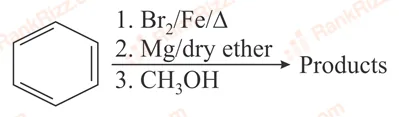
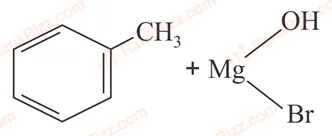
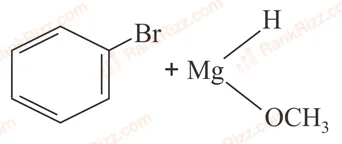
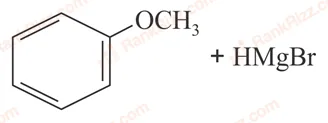
For the following sequence of reactions, the correct products are:
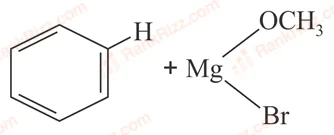
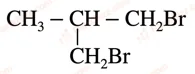
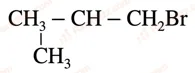
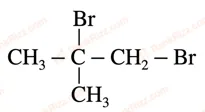
Excess of isobutane on reaction with Br in presence of light at 125°C gives which one of the following, as the major product?
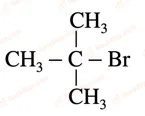
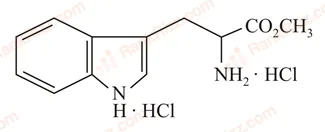
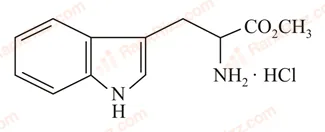
The major product formed in the following reaction is: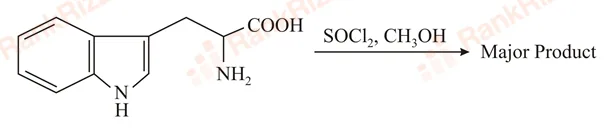
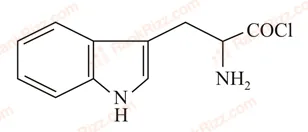
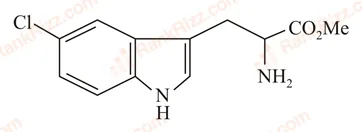
Presence of which reagent will affect the reversibility of the following reaction, and change it to a irreversible reaction:
HOCl
dilute HNO
Liquid NH
Concentrated HIO
An organic compound 'A' CH on treatment with KMnO/H yields compound 'B' CHO. Compound 'A' also yields compound 'B' on ozonolysis. Compound 'A' is:
2-Methylpropene
1-Methylcyclopropane
But-2-ene
Cyclobutane
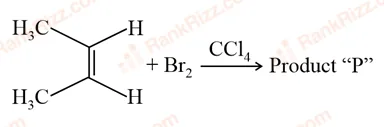
Consider the above chemical reaction. The total number of stereoisomers possible for Product "P" is _________
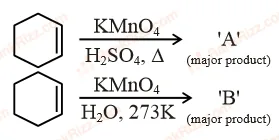
For above chemical reactions, identify the correct statement from the following:
Both compound 'A' and compound 'B' are dicarboxylic acids
Both compound 'A' and compound 'B' are diols
Compound 'A' is diol and compound 'B' is dicarboxylic acid
Compound 'A' is dicarboxylic acid and compound 'B' is diol
Metallic sodium does not react normally with:
gaseous ammonia
But-2-yne
Ethyne
tert-butyl alcohol
Benzene on nitration gives nitrobenzene in presence of HNO and HSO mixture, where:
both HSO and HNO act as a bases
HNO acts as an acid and HSO acts as a base
both HSO and HNO act as an acids
HNO acts as a base and HSO acts as an acid

Major product P of above reaction, is:
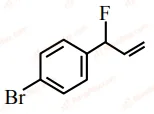
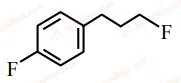
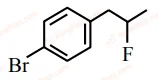
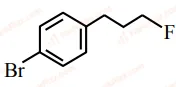
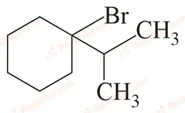
Given below are two statements:
Statement-I: 2-methylbutane on oxidation with KMnO gives 2-methylbutan-2-ol.
Statement-II: n-alkanes can be easily oxidised to corresponding alcohol with KMnO.
Choose the correct option:
Both statement I and statement II are correct
Both statement I and statement II are incorrect
Statement I is correct but Statement II is incorrect
Statement I is incorrect but Statement II is correct
JEE Advanced has set 28 Hydrocarbons questions too. Hydrocarbons JEE Advanced PYQs →
OTHER CHEMISTRY CHAPTERS