Hydrocarbons JEE Main PYQs with answer key
CHEMISTRY · 201 PAST QUESTIONS · 10 TOPICS · 2004–2026
HOW TO USE THIS SHEET
Every JEE Main Hydrocarbons question we hold, grouped by topic, most-asked topic first and newest first inside each. The answer key is at the end (198 of 201 questions have a checked key); the worked solution is on each question’s page, printed beside it.
Electrophilic addition to alkenes 68
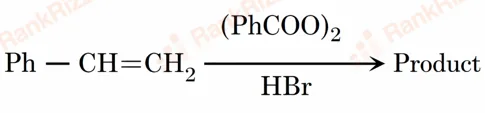
Consider the above reaction
A. The reaction proceeds through a more stable radical intermediate.
B. The role of peroxide is to generate (Hydrogen radical).
C. During this reaction, benzene is formed as a byproduct.
D. 1-Bromo-2- phenylethane is formed as the minor product.
E. The same reaction in absence of peroxide proceeds via carbocation intermediate.
Identify the correct statements. Choose the correct answer from the options given below:- (A)
A, C & E Only
- (B)
A & E Only
- (C)
A, B & D Only
- (D)
C, D & E Only
rr2.rankrizz.com/jee-main/chemistry/hydrocarbons/q/28-jan-2026-s1-q68
- (A)
The cycloalkene on bromination consumes one mole of bromine per mole of and gives the product in which ratio is 3: 1. The percentage of bromine in the product is _____ %. (Nearest integer)
( Given: molar mass in g )
Answer: ____________
rr2.rankrizz.com/jee-main/chemistry/hydrocarbons/q/22-jan-2026-s1-q75
Given below are two statements :
Statement I : Ozonolysis followed by treatment with Zn, HO of cis-2-butene gives ethanal.
Statement II : The production obtained by ozonolysis followed by treatment with Zn, HO of 3, 6-dimethyloct-4-ene has no chiral carbon atom.
In the light of the above statements, choose the correct answer from the options given below- (A)
Both Statement I and Statement II are true
- (B)
Statement I is false but Statement II are true
- (C)
Statement I is true but Statement II is false
- (D)
Both Statement I and Statement II are false
rr2.rankrizz.com/jee-main/chemistry/hydrocarbons/q/2025-apr-7-s1-q51
- (A)
Predict the major product of the following reaction sequence:
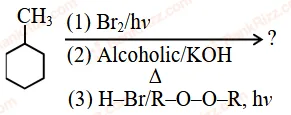
- (A)
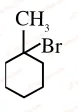
- (B)

- (C)
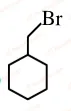
- (D)

rr2.rankrizz.com/jee-main/chemistry/hydrocarbons/q/2025-apr-4-s1-q67
- (A)
Which compound would give 3-methyl-6-oxoheptanal upon ozonolysis ?
- (A)
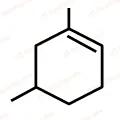
- (B)
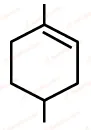
- (C)
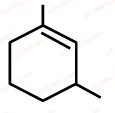
- (D)
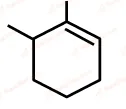
rr2.rankrizz.com/jee-main/chemistry/hydrocarbons/q/2025-apr-03-s1-q66
- (A)
The product formed in the following reaction sequence is :

- (A)
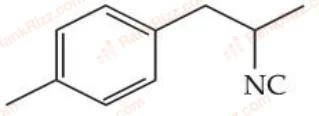
- (B)
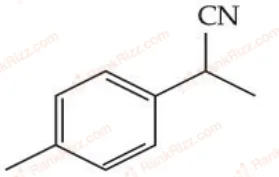
- (C)
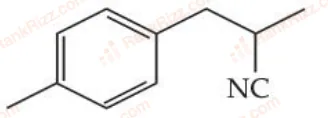
- (D)
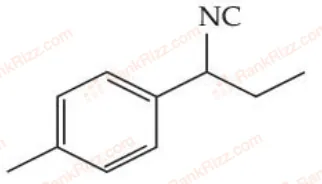
rr2.rankrizz.com/jee-main/chemistry/hydrocarbons/q/28-jan-2025-s2-q63
- (A)
Following are the four molecules "P", "Q", "R" and "S". Which one among the four molecules will react with
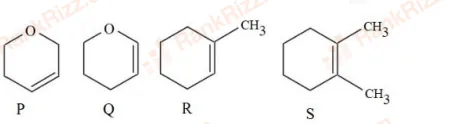
at the fastest rate?
- (A)
R
- (B)
P
- (C)
Q
- (D)
S
rr2.rankrizz.com/jee-main/chemistry/hydrocarbons/q/24-jan-2025-s1-q66
- (A)
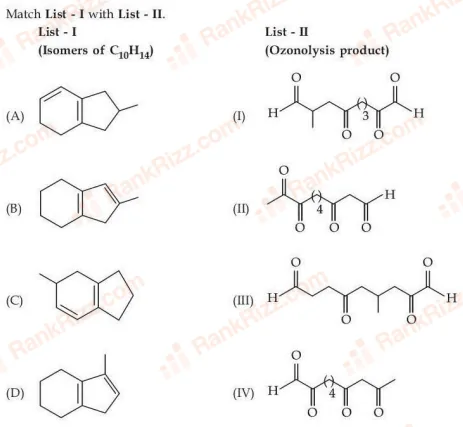
Choose the correct answer from the options given below :- (A)
(A)-(I), (B)-(IV), (C)-(III), (D)-(II)
- (B)
(A)-(III), (B)-(II), (C)-(I), (D)-(IV)
- (C)
(A)-(III), (B)-(IV), (C)-(I), (D)-(II)
- (D)
(A)-(II), (B)-(III), (C)-(I), (D)-(IV)
rr2.rankrizz.com/jee-main/chemistry/hydrocarbons/q/23-jan-2025-s2-q67
- (A)
A compound 'X' absorbs 2 moles of hydrogen and 'X' upon oxidation with gives

The total number of bonds present in the compound 'X' is ________.Answer: ____________
rr2.rankrizz.com/jee-main/chemistry/hydrocarbons/q/23-jan-2025-s2-q72
Identify the product A and product B in the following set of reactions.
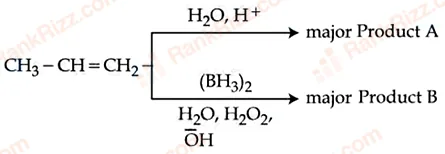
- (A)

- (B)
A - , B -
- (C)
A - , B -
- (D)

rr2.rankrizz.com/jee-main/chemistry/hydrocarbons/q/9-apr-2024-s1-q39
- (A)
The major products from the following reaction sequence are product A and product B. The total sum of electrons in product A and product B are _______ (nearest integer)

Answer: ____________
rr2.rankrizz.com/jee-main/chemistry/hydrocarbons/q/6-apr-2024-s1-q59
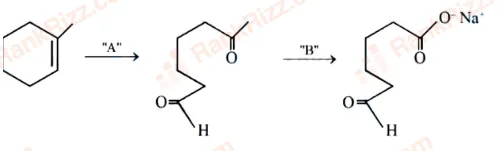
In the above chemical reaction sequence "A" and "B" respectively are:- (A)
and
- (B)
and
- (C)
and
- (D)
and
rr2.rankrizz.com/jee-main/chemistry/hydrocarbons/q/04-apr-2024-s2-q41
- (A)
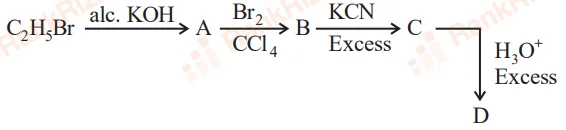
Acid D formed in above reaction is:- (A)
Gluconic acid
- (B)
Succinic acid
- (C)
Oxalic acid
- (D)
Malonic acid
rr2.rankrizz.com/jee-main/chemistry/hydrocarbons/q/01-feb-2024-s2-q49
- (A)
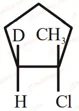
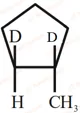
Major product of the following reaction is:
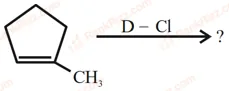
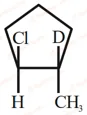
- (A)
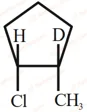
- (B)
- (C)
- (D)
rr2.rankrizz.com/jee-main/chemistry/hydrocarbons/q/31-jan-2024-s2-q40
- (A)
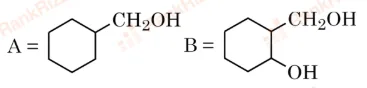
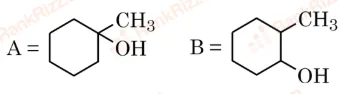
Product A and B formed in the following set of reactions are:

- (A)
- (B)
- (C)
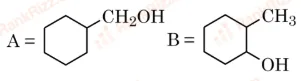
- (D)
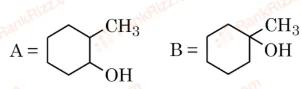
rr2.rankrizz.com/jee-main/chemistry/hydrocarbons/q/30-jan-2024-s2-q37
- (A)
Identify product A and product B
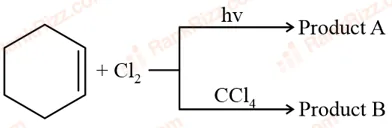
- (A)
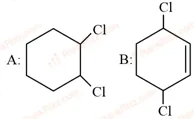
- (B)
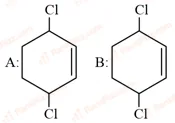
- (C)
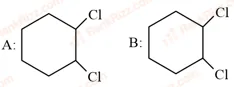
- (D)
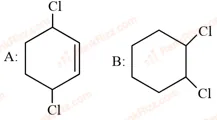
rr2.rankrizz.com/jee-main/chemistry/hydrocarbons/q/29-jan-2024-s1-q40
- (A)
The final product A formed in the following multistep reaction sequence is:
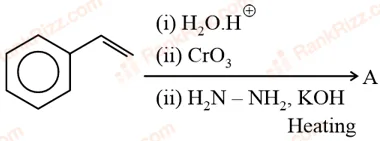
- (A)
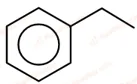
- (B)
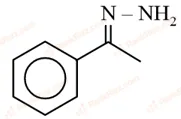
- (C)
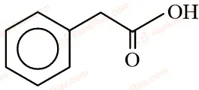
- (D)
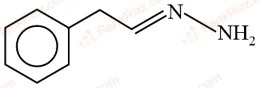
rr2.rankrizz.com/jee-main/chemistry/hydrocarbons/q/29-jan-2024-s1-q43
- (A)
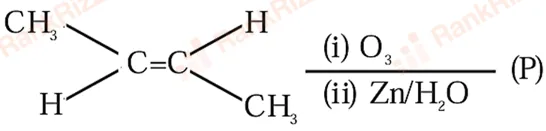
Consider the given reaction. Trans-2-butene (P)
The total number of oxygen atoms present per molecule of the product (P) is _______.Answer: ____________
rr2.rankrizz.com/jee-main/chemistry/hydrocarbons/q/29-jan-2024-s1-q55
The product formed in the following multistep reaction is:
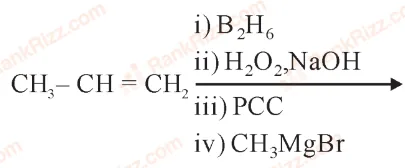
- (A)
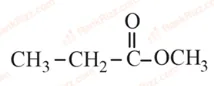
- (B)
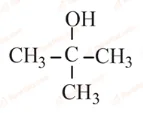
- (C)
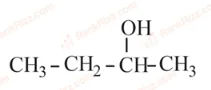
- (D)
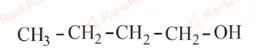
rr2.rankrizz.com/jee-main/chemistry/hydrocarbons/q/15-apr-2023-s1-q39
- (A)
For the given reaction
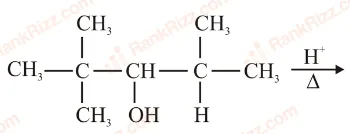
The total number of possible products formed by tertiary carbocation of A is _____.Answer: ____________
rr2.rankrizz.com/jee-main/chemistry/hydrocarbons/q/13-apr-2023-s1-q60
The number of possible isomeric products formed when 3-chloro-1-butene reacts with HCl through carbocation formation is _______
Answer: ____________
rr2.rankrizz.com/jee-main/chemistry/hydrocarbons/q/11-apr-2023-s2-q57
Molar mass of the hydrocarbon (X) which on ozonolysis consumes one mole of O per mole of (X) and gives one mole each of ethanal and propanone is ______ g mol (Molar mass of C: 12 g mol, H: 1 g mol)
Answer: ____________
rr2.rankrizz.com/jee-main/chemistry/hydrocarbons/q/8-apr-2023-s1-q57
Major product 'P' formed in the following reaction is:
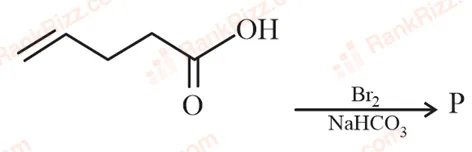
- (A)
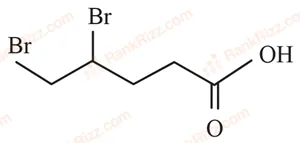
- (B)
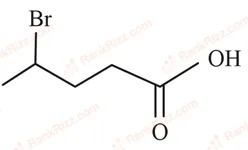
- (C)
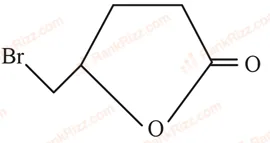
- (D)
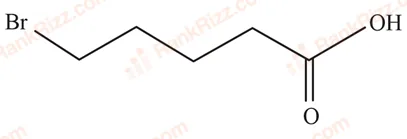
rr2.rankrizz.com/jee-main/chemistry/hydrocarbons/q/08-apr-2023-s2-q58
- (A)
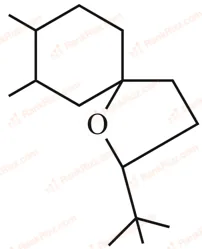
In the following reaction, 'B' is
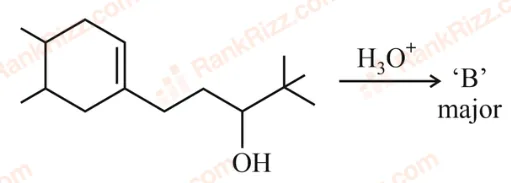
- (A)
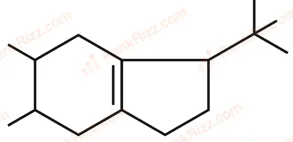
- (B)
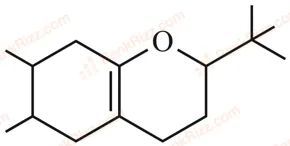
- (C)
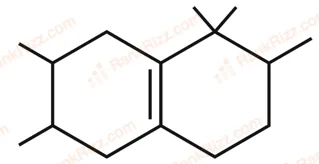
- (D)
rr2.rankrizz.com/jee-main/chemistry/hydrocarbons/q/6-apr-2023-s2-q46
- (A)
A hydrocarbon 'X' with formula CH uses two moles of H on catalytic hydrogenation of its one mole. On ozonolysis, 'X' yields two moles of methane dicarbaldehyde. The hydrocarbon 'X' is:
- (A)
hexa-1, 3, 5-triene
- (B)
1-methylcyclopenta-1, 4-diene
- (C)
cyclohexa-1, 3-diene
- (D)
cyclohexa-1, 4-diene
rr2.rankrizz.com/jee-main/chemistry/hydrocarbons/q/31-jan-2023-s2-q39
- (A)
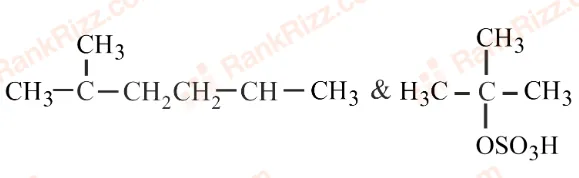
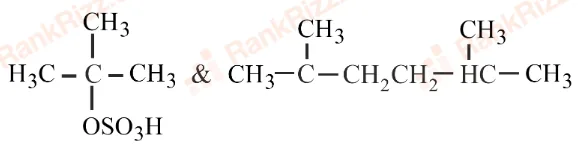
The major products 'A' and 'B', respectively, are
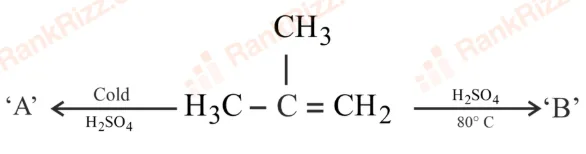
- (A)
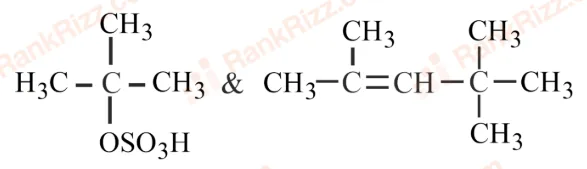
- (B)
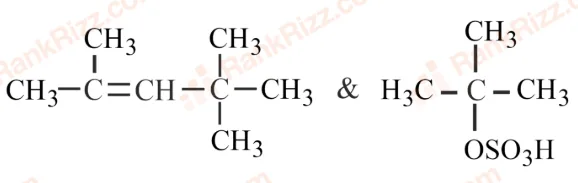
- (C)
- (D)
rr2.rankrizz.com/jee-main/chemistry/hydrocarbons/q/30-jan-2023-s1-q38
- (A)
17 mg of a hydrocarbon (M.F. CH) takes up 8.40 mL of the H gas measured at 0°C and 760 mm of Hg. Ozonolysis of the same hydrocarbon yields

The number of double bond/s present in the hydrocarbon is
Answer: ____________
rr2.rankrizz.com/jee-main/chemistry/hydrocarbons/q/29-jan-2023-s1-q57
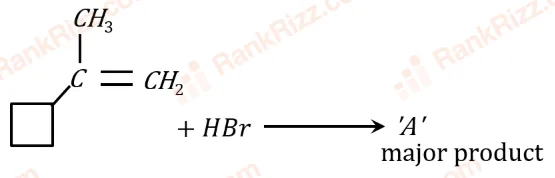
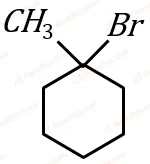
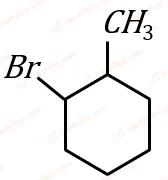
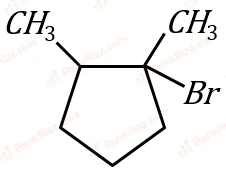
In the following given reaction 'A' is:
- (A)
- (B)
- (C)
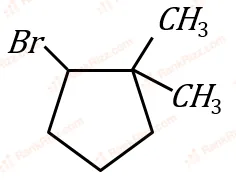
- (D)
rr2.rankrizz.com/jee-main/chemistry/hydrocarbons/q/24-jan-2023-s1-q46
- (A)
In the following given reaction 'A' is
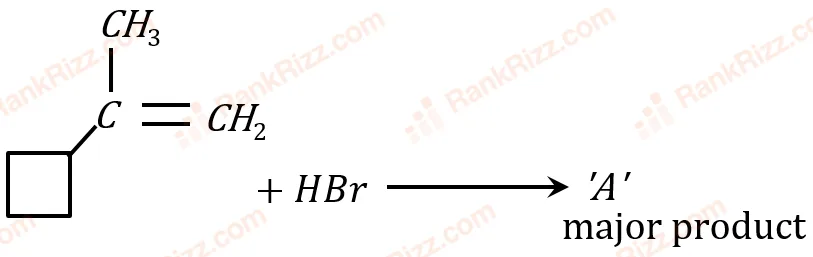
- (A)
Option 1 (see figure)
- (B)
Option 2 (see figure)
- (C)
Option 3 (see figure)
- (D)
Option 4 (see figure)
rr2.rankrizz.com/jee-main/chemistry/hydrocarbons/q/24-jan-2023-s1-q46-494061
- (A)
Find out the major products from the following reactions.
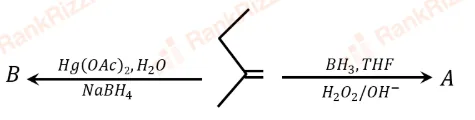
- (A)
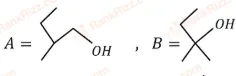
- (B)
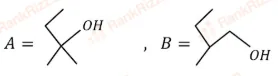
- (C)
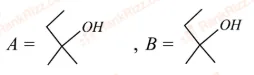
- (D)
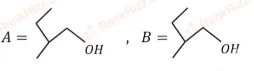
rr2.rankrizz.com/jee-main/chemistry/hydrocarbons/q/24-jan-2023-s2-q45
- (A)
A compound 'A' on reaction with 'X' and 'Y' produces the same major product but different by-products 'a' and 'b'. Oxidation of 'a' gives a substance produced by ants.
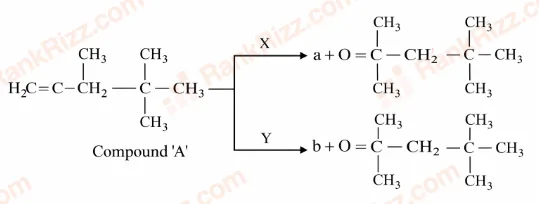
'X' and 'Y' respectively are
- (A)
and dil. ,
- (B)
(dilute), and
- (C)
and ,
- (D)
, and
rr2.rankrizz.com/jee-main/chemistry/hydrocarbons/q/25-jul-2022-s1-q39
- (A)
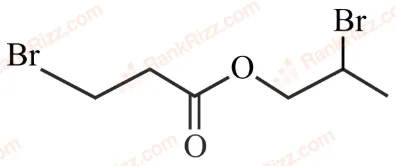
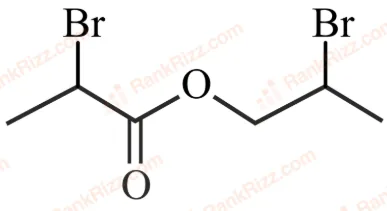
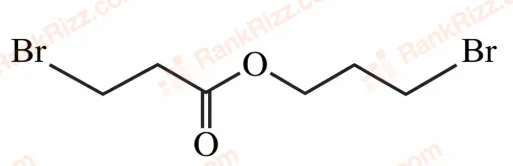
Major product of the following reaction is
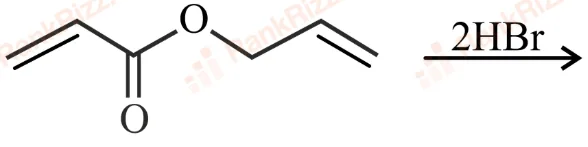
- (A)
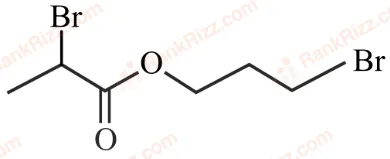
- (B)
- (C)
- (D)
rr2.rankrizz.com/jee-main/chemistry/hydrocarbons/q/25-jul-2022-s2-q38
- (A)
Two isomers 'A' and 'B' with molecular formula CH give different products on oxidation with KMnO in acidic medium. Isomer 'A' on reaction with KMnO/H results in effervescence of a gas and gives ketone. The compound 'A' is
- (A)
But-1-ene.
- (B)
cis-But-2-ene.
- (C)
trans-But-2-ene.
- (D)
2-methyl propene.
rr2.rankrizz.com/jee-main/chemistry/hydrocarbons/q/29-jun-2022-s1-q39
- (A)
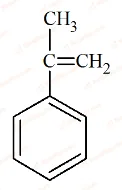
Product 'A' of following sequence of reactions is

- (A)
- (B)
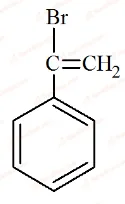
- (C)
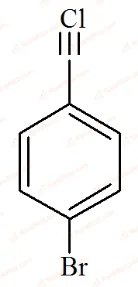
- (D)
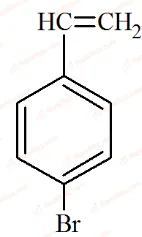
rr2.rankrizz.com/jee-main/chemistry/hydrocarbons/q/27-jun-2022-s2-q37
- (A)
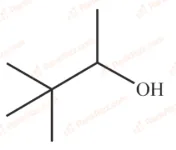
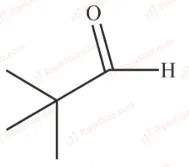
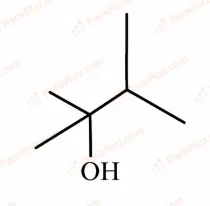
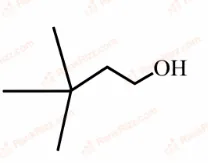
The major product of the following reaction is:
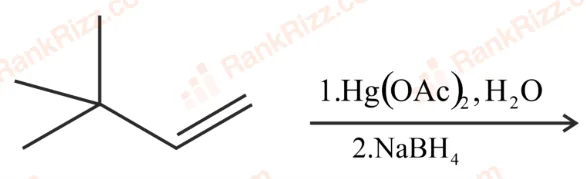
- (A)
- (B)
- (C)
- (D)
rr2.rankrizz.com/jee-main/chemistry/hydrocarbons/q/26-jun-2022-s2-q38
- (A)
The product formed in the following reaction.
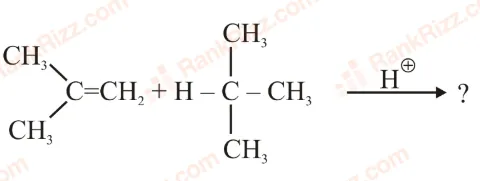
is:
- (A)
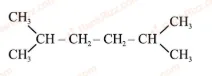
- (B)
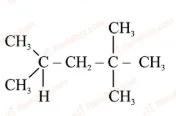
- (C)
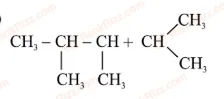
- (D)
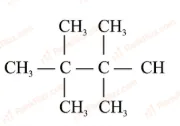
rr2.rankrizz.com/jee-main/chemistry/hydrocarbons/q/25-jun-2022-s1-q38
- (A)
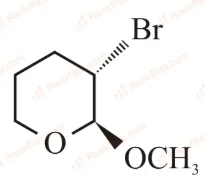
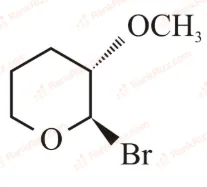
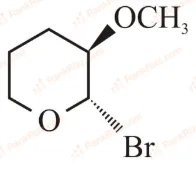
Amongst the following, the major product of the given chemical reaction is
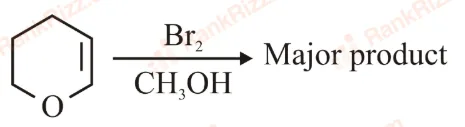
- (A)
- (B)
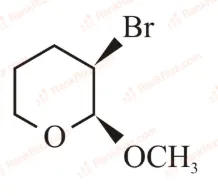
- (C)
- (D)
rr2.rankrizz.com/jee-main/chemistry/hydrocarbons/q/25-jun-2022-s2-q44
- (A)
The major product 'A' of the following given reaction has hybridized carbon atoms.
(Major Product)
The number of hybridized carbon atoms in 'A' is ______Answer: ____________
rr2.rankrizz.com/jee-main/chemistry/hydrocarbons/q/24-jun-2022-s1-q54
Which of the following reagents / reactions will convert 'A' to 'B'?
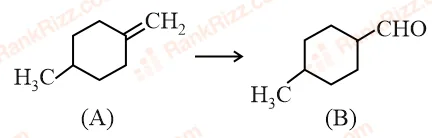
- (A)
PCC oxidation
- (B)
Ozonolysis
- (C)
followed by PCC oxidation
- (D)
HBr, hydrolysis followed by oxidation by .
rr2.rankrizz.com/jee-main/chemistry/hydrocarbons/q/24-jun-2022-s2-q39
- (A)
The stereoisomers that are formed by electrophilic addition of bromine to trans-but-2-ene is/are:
- (A)
2 identical mesomers
- (B)
2 enantiomers
- (C)
2 enantiomers and 2 mesomers
- (D)
1 racemic and 2 enantiomers
rr2.rankrizz.com/jee-main/chemistry/hydrocarbons/q/1-sep-2021-s2-q35
- (A)
For the following sequence of reactions, the correct products are:
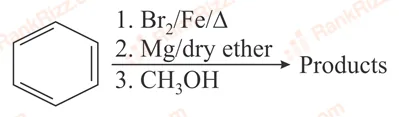
- (A)
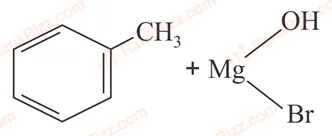
- (B)
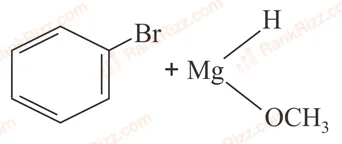
- (C)
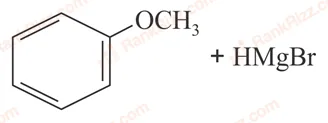
- (D)
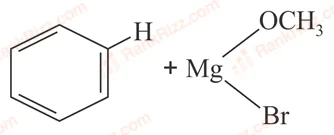
rr2.rankrizz.com/jee-main/chemistry/hydrocarbons/q/31-aug-2021-s2-q38
- (A)
An organic compound 'A' CH on treatment with KMnO/H yields compound 'B' CHO. Compound 'A' also yields compound 'B' on ozonolysis. Compound 'A' is:
- (A)
2-Methylpropene
- (B)
1-Methylcyclopropane
- (C)
But-2-ene
- (D)
Cyclobutane
rr2.rankrizz.com/jee-main/chemistry/hydrocarbons/q/25-jul-2021-s1-q36
- (A)
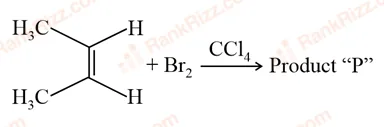
Consider the above chemical reaction. The total number of stereoisomers possible for Product "P" is _________Answer: ____________
rr2.rankrizz.com/jee-main/chemistry/hydrocarbons/q/25-jul-2021-s2-q57
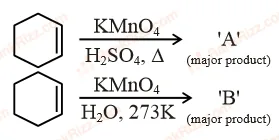
For above chemical reactions, identify the correct statement from the following:- (A)
Both compound 'A' and compound 'B' are dicarboxylic acids
- (B)
Both compound 'A' and compound 'B' are diols
- (C)
Compound 'A' is diol and compound 'B' is dicarboxylic acid
- (D)
Compound 'A' is dicarboxylic acid and compound 'B' is diol
rr2.rankrizz.com/jee-main/chemistry/hydrocarbons/q/20-jul-2021-s1-q37
- (A)

Major product P of above reaction, is:- (A)
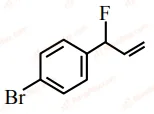
- (B)
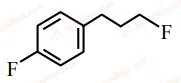
- (C)
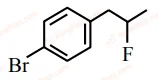
- (D)
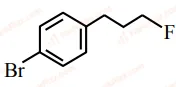
rr2.rankrizz.com/jee-main/chemistry/hydrocarbons/q/20-jul-2021-s2-q41
- (A)
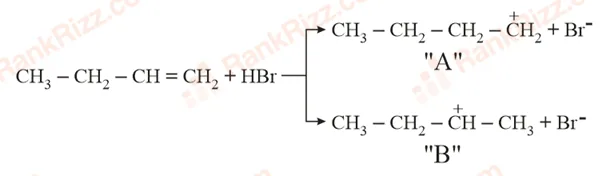
Choose the correct statement regarding the formation of carbocations A and B given:
- (A)
Carbocation B is more stable and formed relatively at faster rate
- (B)
Carbocation A is more stable and formed relatively at slow rate
- (C)
Carbocation B is more stable and formed relatively at slow rate
- (D)
Carbocation A is more stable and formed relatively at faster rate
rr2.rankrizz.com/jee-main/chemistry/hydrocarbons/q/17-mar-2021-s2-q39
- (A)
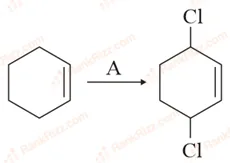
Identify the reagent(s) 'A' and condition(s) for the reaction:
- (A)
A = HCl; Anhydrous AlCl
- (B)
A = HCl, ZnCl
- (C)
A = Cl; UV light
- (D)
A = Cl; dark, Anhydrous AlCl
rr2.rankrizz.com/jee-main/chemistry/hydrocarbons/q/16-mar-2021-s2-q43
- (A)
The major product of the following reaction is:
- (A)
- (B)
- (C)
- (D)
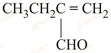
rr2.rankrizz.com/jee-main/chemistry/hydrocarbons/q/25-feb-2021-s2-q47
- (A)
Identify products A and B.
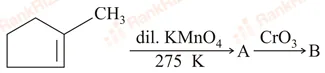
- (A)
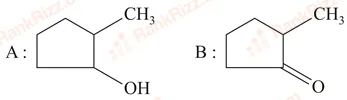
- (B)
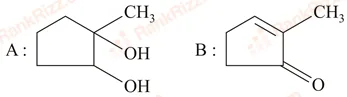
- (C)
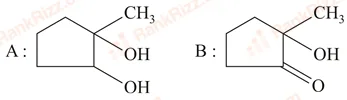
- (D)

rr2.rankrizz.com/jee-main/chemistry/hydrocarbons/q/24-feb-2021-s1-q35
- (A)
The major product of the following reaction is:
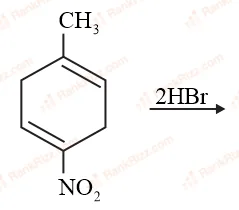
- (A)
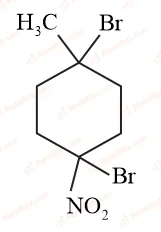
- (B)
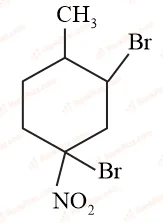
- (C)
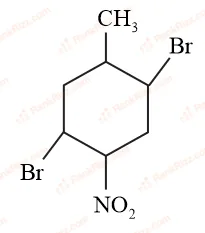
- (D)
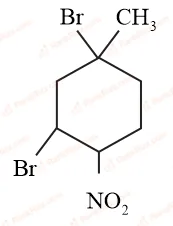
rr2.rankrizz.com/jee-main/chemistry/hydrocarbons/q/6-sep-2020-s1-q35
- (A)
The major product [C] of the following reaction sequence will be:
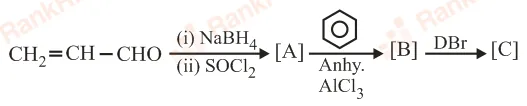
- (A)
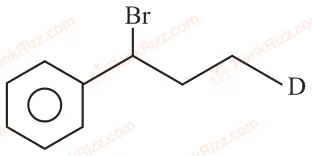
- (B)
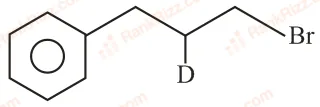
- (C)
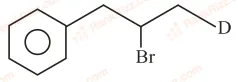
- (D)
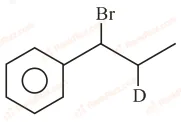
rr2.rankrizz.com/jee-main/chemistry/hydrocarbons/q/4-sep-2020-s2-q43
- (A)
Which of the following compounds produces an optically inactive compound on hydrogenation?
- (A)
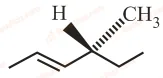
- (B)
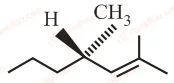
- (C)
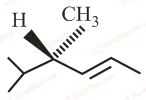
- (D)
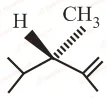
rr2.rankrizz.com/jee-main/chemistry/hydrocarbons/q/3-sep-2020-s1-q33
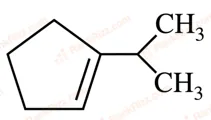
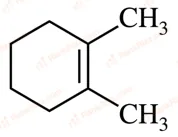
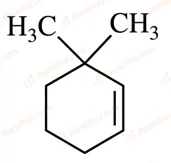
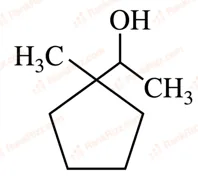
- (A)
The major product in the following reaction is:
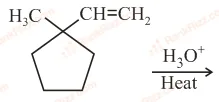
- (A)
- (B)
- (C)
- (D)
rr2.rankrizz.com/jee-main/chemistry/hydrocarbons/q/2-sep-2020-s1-q38
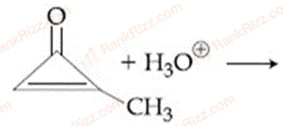
- (A)
The major product in the following reaction is:
- (A)
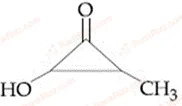
- (B)
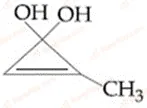
- (C)
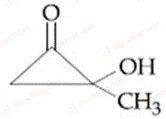
- (D)
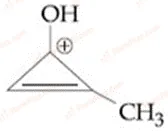
rr2.rankrizz.com/jee-main/chemistry/hydrocarbons/q/8-jan-2020-s2-q38
- (A)
The major product [B] in the following sequence of reactions is:
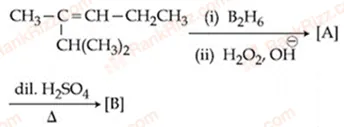
- (A)
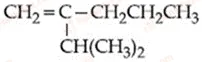
- (B)
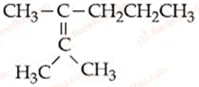
- (C)
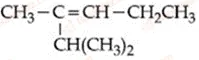
- (D)
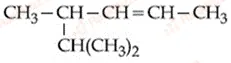
rr2.rankrizz.com/jee-main/chemistry/hydrocarbons/q/8-jan-2020-s2-q42
- (A)
In the following reaction sequence, structures of A and B are, respectively
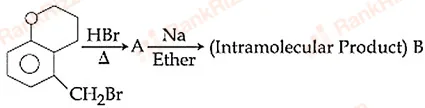
- (A)
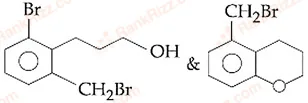
- (B)
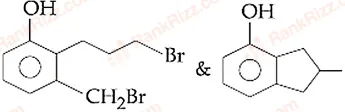
- (C)
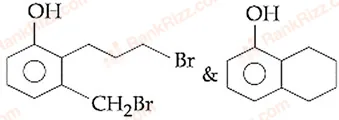
- (D)
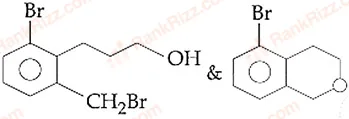
rr2.rankrizz.com/jee-main/chemistry/hydrocarbons/q/7-jan-2020-s2-q43
- (A)
But-2-ene on reaction with alkaline KMnO at elevated temperature followed by acidification will give:
- (A)
2 molecules of CHCOOH
- (B)
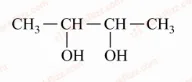
- (C)
2 Molecules of CHCHO
- (D)
One molecule of CHCHO and one molecule of CHCOOH
rr2.rankrizz.com/jee-main/chemistry/hydrocarbons/q/12-apr-2019-s1-q45
- (A)
The major product of the following reaction is:

- (A)
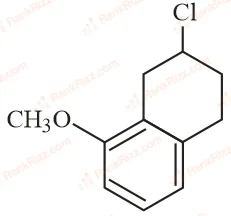
- (B)
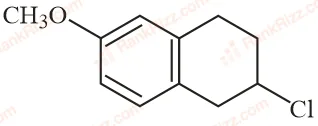
- (C)
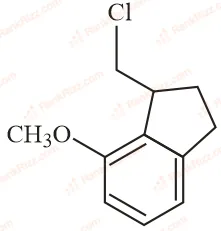
- (D)
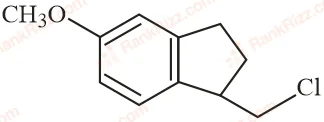
rr2.rankrizz.com/jee-main/chemistry/hydrocarbons/q/12-jan-2019-s1-q43
- (A)
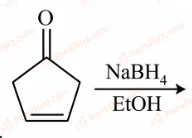
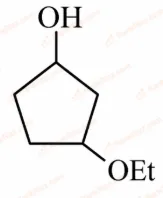
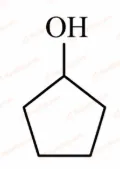
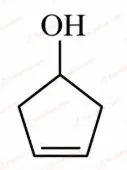
The major product of the following reaction is:
- (A)
- (B)
- (C)
- (D)
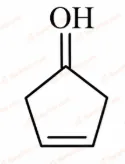
rr2.rankrizz.com/jee-main/chemistry/hydrocarbons/q/12-jan-2019-s2-q54
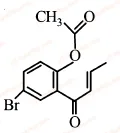
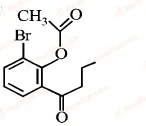
- (A)
The major product obtained in the following conversion is:
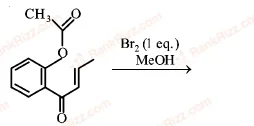
- (A)
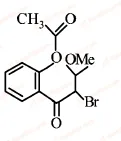
- (B)
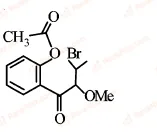
- (C)
- (D)
rr2.rankrizz.com/jee-main/chemistry/hydrocarbons/q/11-jan-2019-s2-q54
- (A)
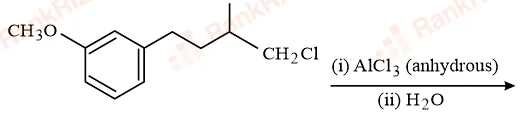
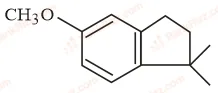
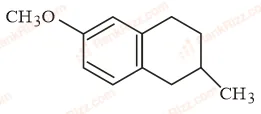
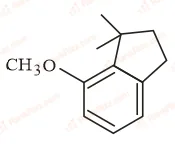
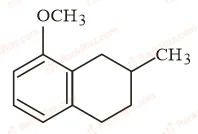
The major product of the following reaction is:
- (A)
- (B)
- (C)
- (D)
rr2.rankrizz.com/jee-main/chemistry/hydrocarbons/q/10-jan-2019-s1-q55
- (A)
The reaction of propene with HOCl () proceeds through the intermediate:
- (A)
- (B)
- (C)
- (D)
rr2.rankrizz.com/jee-main/chemistry/hydrocarbons/q/3-apr-2016-offline-q42
- (A)
What is the major product expected from the following reaction?
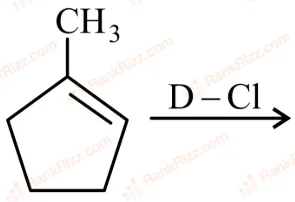
Where D is an isotope of hydrogen.
- (A)
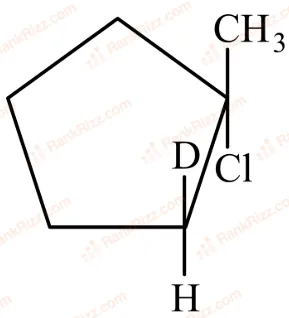
- (B)
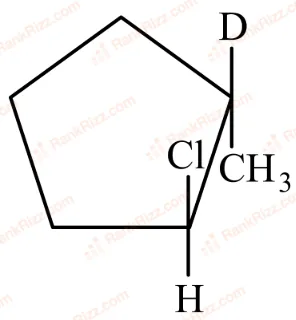
- (C)
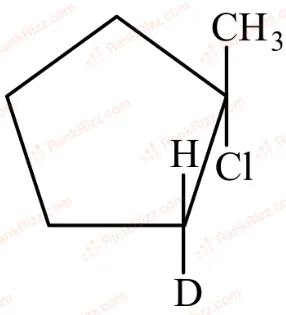
- (D)
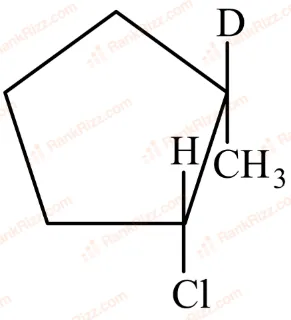
rr2.rankrizz.com/jee-main/chemistry/hydrocarbons/q/11-apr-2015-online-q56
- (A)
In the presence of peroxide, HCl and HI do not give anti-Markownikoff's addition of alkenes because:
- (A)
One of the steps is endothermic in HCl and HI
- (B)
Both HCl and HI are strong acids
- (C)
HCl is oxidizing and the HI is reducing
- (D)
All the steps are exothermic is HCl and HI
rr2.rankrizz.com/jee-main/chemistry/hydrocarbons/q/12-apr-2014-online-q45
- (A)
The addition of HI in the presence of peroxide catalyst does not follow anti-Markovnikov's rule because :
- (A)
HI is a strong reducing agent.
- (B)
H-I bond is too strong to be broken homolytically.
- (C)
I atom combines with H atom to give back HI.
- (D)
Iodine atom is not reactive enough to add across a double bond.
rr2.rankrizz.com/jee-main/chemistry/hydrocarbons/q/9-apr-2013-online-q44
- (A)
HBr reacts with under anhydrous conditions at room temperature to give
- (A)
and
- (B)
and
- (C)
- (D)
rr2.rankrizz.com/jee-main/chemistry/hydrocarbons/q/2006-chemistry-500067
- (A)
Reaction of one molecule of HBr with one molecule of 1,3-butadiene at C gives predominantly
- (A)
3-bromobutene under kinetically controlled conditions
- (B)
1-bromo-2-butene under thermodynamically controlled conditions
- (C)
3-bromobutene under thermodynamically controlled conditions
- (D)
1-bromo-2-butene under kinetically controlled conditions
rr2.rankrizz.com/jee-main/chemistry/hydrocarbons/q/2005-chemistry-500378
- (A)
Acid catalyzed hydration of alkenes except ethene leads to the formation of
- (A)
primary alcohol
- (B)
secondary or tertiary alcohol
- (C)
mixture of primary and secondary alcohols
- (D)
mixture of secondary and tertiary alcohols
rr2.rankrizz.com/jee-main/chemistry/hydrocarbons/q/2005-chemistry-500384
- (A)
Reactions of alkanes 29
n-Butane on monochlorination under photochemical condition gives an optically active compound "P". "P" on further chlorination gives dichloro compounds. The number of dichloro compounds obtained (ignore stereoisomers) is :
- (A)
3
- (B)
4
- (C)
5
- (D)
6
rr2.rankrizz.com/jee-main/chemistry/hydrocarbons/q/8-apr-2026-s2-q65
- (A)
Consider the following reactions. Total number of electrons in the bonds and lone pair of electrons in the product (X) is :
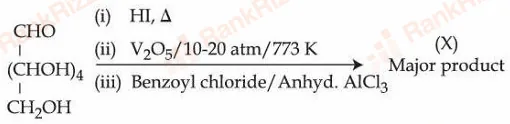
- (A)
12
- (B)
16
- (C)
14
- (D)
18
rr2.rankrizz.com/jee-main/chemistry/hydrocarbons/q/6-apr-2026-s2-q69
- (A)
An alkane (Y) requires 8 moles of oxygen for complete combustion and on chlorination with Cl/h, (Y) gives only one monochlorinated product (Z). The total number of primary carbon atoms in (Y) is __________.
Answer: ____________
rr2.rankrizz.com/jee-main/chemistry/hydrocarbons/q/6-apr-2026-s2-q72
Consider the isomers of hydrocarbon with molecular formula CH. These isomers do not decolourise KMnO solution. These isomers are subjected to chlorination with chlorine in presence of light to give monochloro compounds. The total number of monochloro compounds (structural isomers only) formed is __________.
Answer: ____________
rr2.rankrizz.com/jee-main/chemistry/hydrocarbons/q/2-apr-2026-s1-q72
One mole of an alkane (x) requires 8 mole oxygen for complete combustion. Sum of number of carbon and hydrogen atoms in the alkane (x) is __________.
Answer: ____________
rr2.rankrizz.com/jee-main/chemistry/hydrocarbons/q/2-apr-2026-s1-q73
The compound (X) on
(i) on heating in the presence of anhydrous AlCl and HCl gas gives 2,4-dimethyl pentane
(ii) aromatization gives toluene and
(iii) cyclisation gives methyl cyclohexane
The correct name of compound (X) is :- (A)
Hept-2-ene
- (B)
Hept-1,3,5-triene
- (C)
Heptane
- (D)
Hept-2,4,6-triene
rr2.rankrizz.com/jee-main/chemistry/hydrocarbons/q/2-apr-2026-s2-q64
- (A)
Given below are two statements:
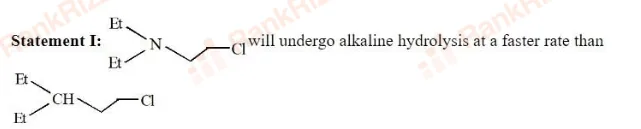

involving lone pair of electrons on nitrogen. In the light of the above statements, choose the most appropriate answer from the options given below- (A)
Statement I is incorrect but Statement II is correct
- (B)
Statement I is correct but Statement II is incorrect
- (C)
Both Statement I and Statement II are correct
- (D)
Both Statement I and Statement II are incorrect
rr2.rankrizz.com/jee-main/chemistry/hydrocarbons/q/28-jan-2025-s1-q67
- (A)
Propane molecule on chlorination under photochemical condition gives two di-chloro products, " x " and " y ". Amongst " x " and " y ", " x " is an optically active molecule. How many tri-chloro products (consider only structural isomers) will be obtained from " x " when it is further treated with chlorine under the photochemical condition?
- (A)
2
- (B)
5
- (C)
4
- (D)
3
rr2.rankrizz.com/jee-main/chemistry/hydrocarbons/q/23-jan-2025-s1-q60
- (A)
When sec-butylcyclohexane reacts with bromine in the presence of sunlight, the major product is :
- (A)
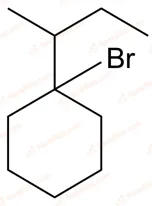
- (B)
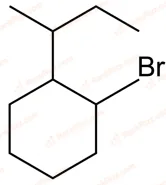
- (C)
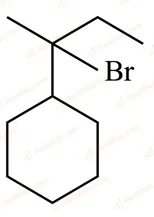
- (D)
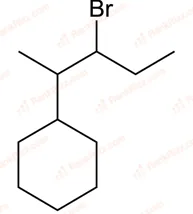
rr2.rankrizz.com/jee-main/chemistry/hydrocarbons/q/22-jan-2025-s2-q66
- (A)
The final product , formed in the following multistep reaction sequence is:
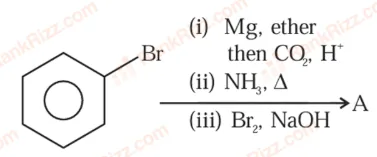
- (A)
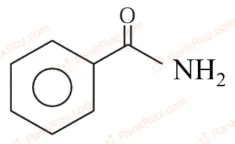
- (B)
- (C)
- (D)
rr2.rankrizz.com/jee-main/chemistry/hydrocarbons/q/30-jan-2024-s1-q47
- (A)
In the following reaction 'X' is
CH(CH)CH X (major product)- (A)
- (B)
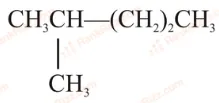
- (C)
CH(CH)CHCl
- (D)
ClCH(CH)CHCl
rr2.rankrizz.com/jee-main/chemistry/hydrocarbons/q/13-apr-2023-s1-q38
- (A)
Number of bromo derivatives obtained on treating ethane with excess of Br in diffused sunlight is ______
Answer: ____________
rr2.rankrizz.com/jee-main/chemistry/hydrocarbons/q/6-apr-2023-s1-q56
Maximum number of isomeric monochloro derivatives which can be obtained from 2,2,5,5-tetramethylhexane by chlorination is _____
Answer: ____________
rr2.rankrizz.com/jee-main/chemistry/hydrocarbons/q/24-jan-2023-s2-q59
. and in the above atmospheric reaction step are
- (A)
and
- (B)
and
- (C)
and
- (D)
and
rr2.rankrizz.com/jee-main/chemistry/hydrocarbons/q/26-jul-2022-s1-q40
- (A)
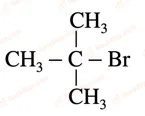
Excess of isobutane on reaction with Br in presence of light at 125°C gives which one of the following, as the major product?
- (A)
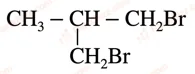
- (B)
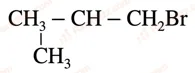
- (C)
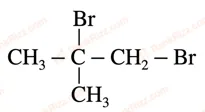
- (D)
rr2.rankrizz.com/jee-main/chemistry/hydrocarbons/q/26-aug-2021-s1-q36
- (A)
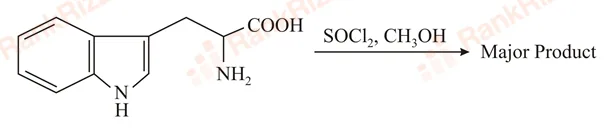
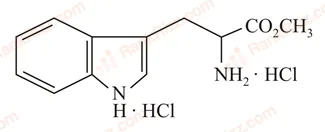
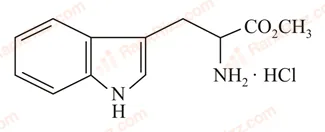
The major product formed in the following reaction is:
- (A)
- (B)
- (C)
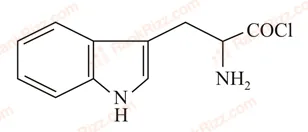
- (D)
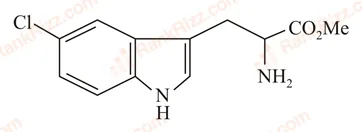
rr2.rankrizz.com/jee-main/chemistry/hydrocarbons/q/26-aug-2021-s1-q48
- (A)
Presence of which reagent will affect the reversibility of the following reaction, and change it to a irreversible reaction:
- (A)
HOCl
- (B)
dilute HNO
- (C)
Liquid NH
- (D)
Concentrated HIO
rr2.rankrizz.com/jee-main/chemistry/hydrocarbons/q/27-jul-2021-s1-q38
- (A)
Given below are two statements:
Statement-I: 2-methylbutane on oxidation with KMnO gives 2-methylbutan-2-ol.
Statement-II: n-alkanes can be easily oxidised to corresponding alcohol with KMnO.
Choose the correct option:- (A)
Both statement I and statement II are correct
- (B)
Both statement I and statement II are incorrect
- (C)
Statement I is correct but Statement II is incorrect
- (D)
Statement I is incorrect but Statement II is correct
rr2.rankrizz.com/jee-main/chemistry/hydrocarbons/q/17-mar-2021-s2-q38
- (A)
Identify A in the given chemical reaction.
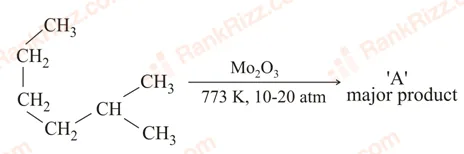
- (A)

- (B)
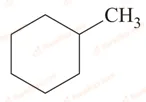
- (C)

- (D)
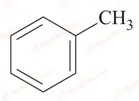
rr2.rankrizz.com/jee-main/chemistry/hydrocarbons/q/25-feb-2021-s1-q38
- (A)
The minimum number of moles of required for complete combustion of 1 mole of propane and 2 moles of butane is...............
Answer: ____________
rr2.rankrizz.com/jee-main/chemistry/hydrocarbons/q/5-sep-2020-s1-q47
The total number of monohalogenated organic products in the following (including stereoisomers) reaction is
A (Simplest optically active alkene)Answer: ____________
rr2.rankrizz.com/jee-main/chemistry/hydrocarbons/q/3-sep-2020-s1-q48
The major product of the following reaction is:

- (A)
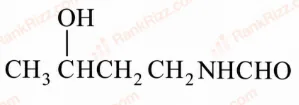
- (B)
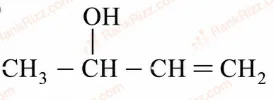
- (C)
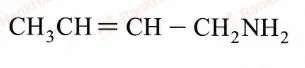
- (D)
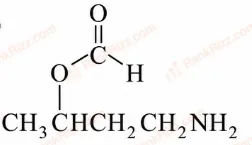
rr2.rankrizz.com/jee-main/chemistry/hydrocarbons/q/10-apr-2019-s1-q57
- (A)
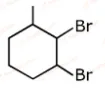
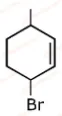
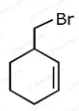
The major product of the following reaction is:
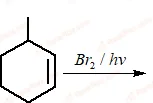
Methylcyclohexane reacts with Br/h
- (A)

- (B)
- (C)
- (D)
rr2.rankrizz.com/jee-main/chemistry/hydrocarbons/q/9-apr-2017-online-q45
- (A)
5 L of an alkane requires 25 L of oxygen for its complete combustion. If all volumes are measured at constant temperature and pressure, the alkane is
- (A)
Isobutane
- (B)
Ethane
- (C)
Butane
- (D)
Propane
rr2.rankrizz.com/jee-main/chemistry/hydrocarbons/q/9-apr-2016-online-q43
- (A)
The major product obtained in the photo catalysed bromination of 2-methylbutane is:
- (A)
1-bromo-2-methylbutane
- (B)
1-bromo-3-methylbutane
- (C)
2-bromo-3-methylbutane
- (D)
2-bromo-2-methylbutane
rr2.rankrizz.com/jee-main/chemistry/hydrocarbons/q/12-apr-2014-online-q56
- (A)
Which branched chain isomer of the hydrocarbon with molecular mass gives only one isomer of mono substituted alkyl halide?
- (A)
Tertiary butyl chloride
- (B)
Neopentane
- (C)
Isohexane
- (D)
Neohexane
rr2.rankrizz.com/jee-main/chemistry/hydrocarbons/q/2012-chemistry-499072
- (A)
The major product obtained in the photobromination of 2-methyl butane is
- (A)
2-bromo-2-methylbutane
- (B)
1-bromo-2-methylbutane
- (C)
1-bromo-3-methylbutane
- (D)
2-bromo-3-methylbutane
rr2.rankrizz.com/jee-main/chemistry/hydrocarbons/q/2012-chemistry-499344
- (A)
Of the five isomeric hexanes, the isomer which can give two monochlorinated compounds is
- (A)
n-hexane
- (B)
2,3-dimethylbutane
- (C)
2,2-dimethylbutane
- (D)
2-methylpentane
rr2.rankrizz.com/jee-main/chemistry/hydrocarbons/q/2005-chemistry-500322
- (A)
2-methylbutane on reacting with bromine in the presence of sunlight gives mainly
- (A)
1-bromo-2-methylbutane
- (B)
2-bromo-2-methylbutane
- (C)
2-bromo-3-methylbutane
- (D)
1-bromo-3-methylbutane
rr2.rankrizz.com/jee-main/chemistry/hydrocarbons/q/2005-chemistry-500374
- (A)
Reactions of alkynes 27
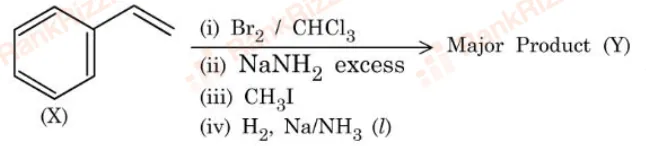
Compound (X) is subjected to the sequence of reactions as shown above:
Molar mass of the major product (Y) formed is ______ g mol.
(Given molar mass in g mol C:12, H: 1, O: 16)- (A)
- (B)
- (C)
- (D)
rr2.rankrizz.com/jee-main/chemistry/hydrocarbons/q/4-apr-2026-s2-q64
- (A)
But-2-yne and hydrogen (one mole each) are separately treated with (i) Pd/C and (ii) Na/ liq. NH3 to give the products X and Y respectively.
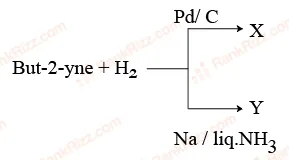
Identify the incorrect statements.
A. X and Y are stereoisomers.
B. Dipole moment of X is zero.
C. Boiling point of X is higher than Y.
D. X and Y react with to give different products.
Choose the correct answer from the options given below :- (A)
B and D Only
- (B)
A and B Only
- (C)
B and C Only
- (D)
A and C Only
rr2.rankrizz.com/jee-main/chemistry/hydrocarbons/q/23-jan-2026-s1-q67
- (A)
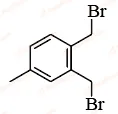
The dibromo compound [P] (molecular formula : ) when heated with excess sodamide followed by treatment with dilute HO gives [Q]. On wanning [Q] with mercuric sulphate and
dilute sulphuric acid yield [R] which gives positive Iodofonn test but negative Tollen's test. The compound [P] is:- (A)
- (B)
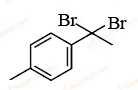
- (C)
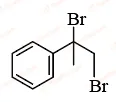
- (D)
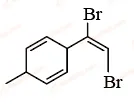
rr2.rankrizz.com/jee-main/chemistry/hydrocarbons/q/22-jan-2026-s2-q57
- (A)
Consider the following reaction :
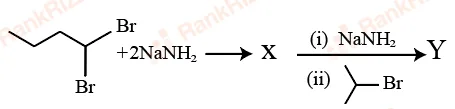
The product Y formed is :
- (A)
2-methylhex-3-yne
- (B)
Isopropylbut-1-yne
- (C)
5-methylhex-2-yne
- (D)
2-methylhex-2-yne
rr2.rankrizz.com/jee-main/chemistry/hydrocarbons/q/22-jan-2026-s2-q70
- (A)
Identify product [A],[B] and [C] in the following reaction sequence.
- (A)

- (B)

- (C)

- (D)

rr2.rankrizz.com/jee-main/chemistry/hydrocarbons/q/28-jan-2025-s2-q53
- (A)
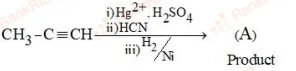
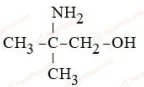
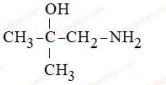
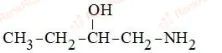
The product (A) formed in the following reaction sequence is
- (A)
- (B)
- (C)
- (D)
rr2.rankrizz.com/jee-main/chemistry/hydrocarbons/q/24-jan-2025-s1-q53
- (A)
Given below are two statements : Statement I : One mole of propyne reacts with excess of sodium to liberate half a mole of gas. Statement II : Four g of propyne reacts with gas which occupies 224 mL at STP. In the light of the above statements, choose the most appropriate answer from the options given below:
- (A)
Statement I is incorrect but Statement II is correct
- (B)
Both Statement I and Statement II are correct
- (C)
Statement I is correct but Statement II is incorrect
- (D)
Both Statement I and Statement II are incorrect
rr2.rankrizz.com/jee-main/chemistry/hydrocarbons/q/22-jan-2025-s1-q56
- (A)
The major product of the following reaction is . . Number of oxygen atoms present in product '' is _______ (nearest integer)
Answer: ____________
rr2.rankrizz.com/jee-main/chemistry/hydrocarbons/q/6-apr-2024-s1-q54
In the given reactions identify A and B.
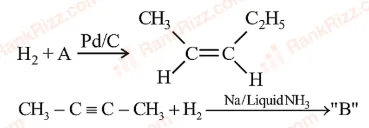
- (A)
A : 2-Pentyne, B : trans-2-butene
- (B)
A : n-Pentane, B : trans-2-butene
- (C)
A : 2-Pentyne, B : Cis-2-butene
- (D)
A : n-Pentane, B : Cis-2-butene
rr2.rankrizz.com/jee-main/chemistry/hydrocarbons/q/01-feb-2024-s2-q42
- (A)
Compound formed in the following reaction reacts with gives the product . Find out and .

- (A)
,
- (B)
,
- (C)
,
- (D)
,
rr2.rankrizz.com/jee-main/chemistry/hydrocarbons/q/30-jan-2024-s1-q38
- (A)
But-2-yne is reacted separately with one mole of Hydrogen as shown below:
B CH-CC-CH A
Identify the incorrect statements from the options given below:
A. A is more soluble than B.
B. The boiling point & melting point of A are higher and lower than B respectively.
C. A is more polar than B because dipole moment of A is zero.
D. Br adds easily to B than A.- (A)
B and C only
- (B)
B, C and D only
- (C)
A, C and D only
- (D)
A and B only
rr2.rankrizz.com/jee-main/chemistry/hydrocarbons/q/01-feb-2023-s1-q35
- (A)
What will be the major product of following sequence of reactions?
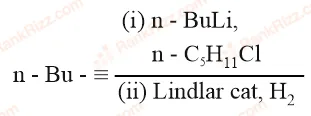
- (A)
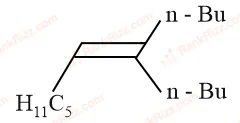
- (B)
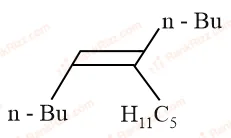
- (C)
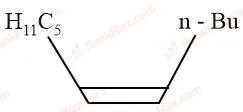
- (D)
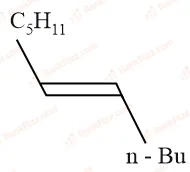
rr2.rankrizz.com/jee-main/chemistry/hydrocarbons/q/27-jun-2022-s2-q36
- (A)
Metallic sodium does not react normally with:
- (A)
gaseous ammonia
- (B)
But-2-yne
- (C)
Ethyne
- (D)
tert-butyl alcohol
rr2.rankrizz.com/jee-main/chemistry/hydrocarbons/q/20-jul-2021-s2-q37
- (A)
Which of the following is Lindlar catalyst?
- (A)
Zinc chloride and HCl
- (B)
Cold dilute solution of KMnO
- (C)
Sodium and Liquid NH
- (D)
Partially deactivated palladised charcoal
rr2.rankrizz.com/jee-main/chemistry/hydrocarbons/q/16-mar-2021-s1-q45
- (A)
An unsaturated hydrocarbon X on ozonolysis gives A. Compound A when warmed with ammoniacal silver nitrate forms a bright silver mirror along the sides of the test tube. The unsaturated hydrocarbon X is:
- (A)
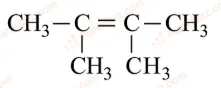
- (B)
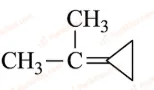
- (C)
- (D)
rr2.rankrizz.com/jee-main/chemistry/hydrocarbons/q/16-mar-2021-s2-q37
- (A)
Consider the following chemical reaction.
Product
The number of hybridized carbon atom(s) present in the product is ______Answer: ____________
rr2.rankrizz.com/jee-main/chemistry/hydrocarbons/q/25-feb-2021-s1-q57
The major product obtained from the following reaction is:

- (A)
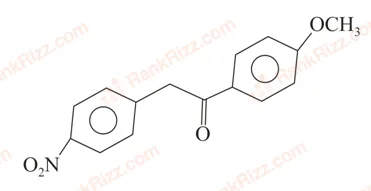
- (B)
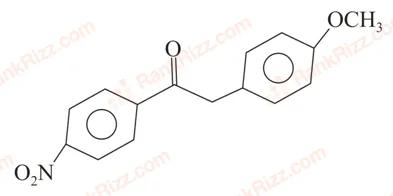
- (C)
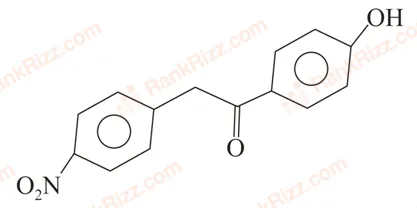
- (D)
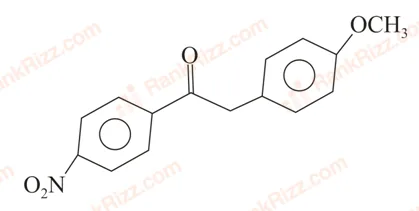
rr2.rankrizz.com/jee-main/chemistry/hydrocarbons/q/6-sep-2020-s1-q33
- (A)
The major product (Y) in the following reactions is:
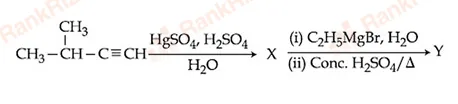
- (A)
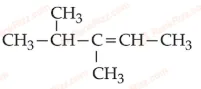
- (B)
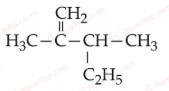
- (C)
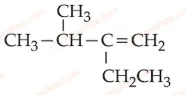
- (D)
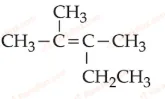
rr2.rankrizz.com/jee-main/chemistry/hydrocarbons/q/9-jan-2020-s1-q36
- (A)
In the following sequence of reactions the maximum number of atoms present in molecule 'C' in one plane is __________.
A B C
(A is a lowest molecular weight alkyne)Answer: ____________
rr2.rankrizz.com/jee-main/chemistry/hydrocarbons/q/8-jan-2020-s2-q48
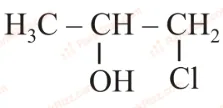
The major product of the following addition reaction is

- (A)
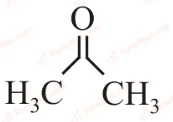
- (B)
- (C)
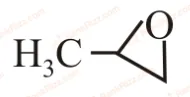
- (D)
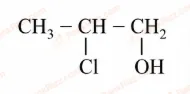
rr2.rankrizz.com/jee-main/chemistry/hydrocarbons/q/12-apr-2019-s1-q44
- (A)
The major product of the following reaction is:
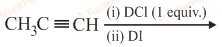
- (A)
CHCD(I)CHD(Cl)
- (B)
CHCD(Cl)CHD(I)
- (C)
CHCDCH(Cl)(I)
- (D)
CHC(I)(Cl)CHD
rr2.rankrizz.com/jee-main/chemistry/hydrocarbons/q/9-apr-2019-s1-q42
- (A)
The major product of the following reaction is:
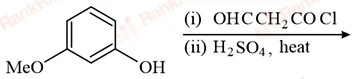
- (A)
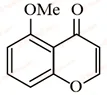
- (B)
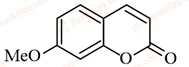
- (C)
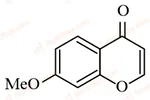
- (D)
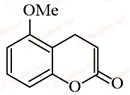
rr2.rankrizz.com/jee-main/chemistry/hydrocarbons/q/16-apr-2018-online-q42
- (A)
The reagent needed for converting:

- (A)
Cat. Hydrogenation
- (B)
H/Lindlar Cat.
- (C)
Li/NH
- (D)
LiAlH
rr2.rankrizz.com/jee-main/chemistry/hydrocarbons/q/11-apr-2014-online-q43
- (A)
Hexyne gives transHexene on treatment with :
- (A)
- (B)
- (C)
- (D)
rr2.rankrizz.com/jee-main/chemistry/hydrocarbons/q/2012-chemistry-499061
- (A)
The hydration of propyne results in formation of
- (A)
Acetone
- (B)
Propanol-1
- (C)
Propene
- (D)
Propanal
rr2.rankrizz.com/jee-main/chemistry/hydrocarbons/q/2012-chemistry-499255
- (A)
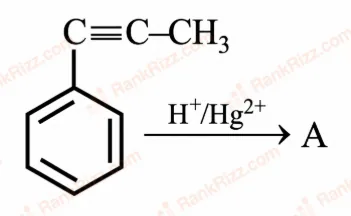
In the given reaction, the product 'A' is
- (A)
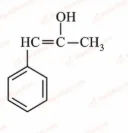
- (B)
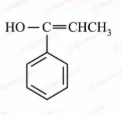
- (C)
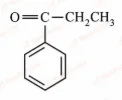
- (D)
rr2.rankrizz.com/jee-main/chemistry/hydrocarbons/q/2012-chemistry-499434
- (A)
Which of the following reactions will yield dibromopropane?
- (A)
- (B)
- (C)
- (D)
rr2.rankrizz.com/jee-main/chemistry/hydrocarbons/q/2007-chemistry-499818
- (A)
Electrophilic aromatic substitution 22
For the following Friedel Craft's alkylation reaction, which of the statements are correct?

A. Major product is n-propyl benzene.
B. iso-propyl carbocation intermediate is also generated.
C. Multiple substitution is inevitable.
D. Introducing electron-donating substituent on benzene will not produce any alkyl benzene.
Choose the correct answer from the options given below:- (A)
A and D only
- (B)
B and C only
- (C)
A and C only
- (D)
B and D only
rr2.rankrizz.com/jee-main/chemistry/hydrocarbons/q/5-apr-2026-s1-q65
- (A)
Consider the following compounds
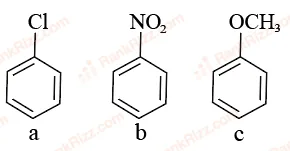
Arrange these compounds in the increasing order of reactivity with nitrating mixture.
- (A)
b < a < c
- (B)
c < b < a
- (C)
b < c < a
- (D)
c < a < b
rr2.rankrizz.com/jee-main/chemistry/hydrocarbons/q/23-jan-2026-s1-q54
- (A)
Consider the following reaction of benzene.

In compound (Q), the percentage of oxygen is ___ %. (Nearest integer)
Answer: ____________
rr2.rankrizz.com/jee-main/chemistry/hydrocarbons/q/23-jan-2026-s2-q72
Given below are two statements:
Statement I: Benzene is nitrated to give nitrobenzene, which on further treatment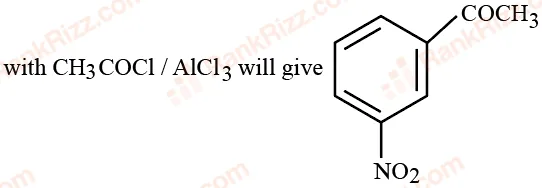
Statement II: - group is a m-directing, and deactivating group.
In the light of the above statements, choose the most appropriate answer from the options given below
- (A)
Statement I is incorrect but Statement II is correct
- (B)
Both Statement I and Statement II are incorrect
- (C)
Both Statement I and Statement II are correct
- (D)
Statement I is correct but Statement II is incorrect
rr2.rankrizz.com/jee-main/chemistry/hydrocarbons/q/22-jan-2026-s1-q62
- (A)
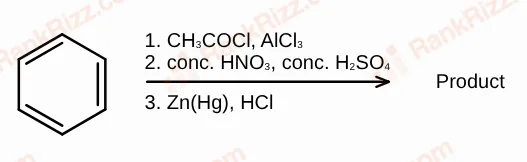
The final product is:
- (A)
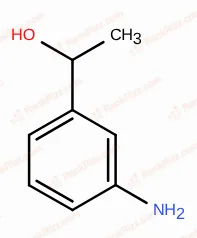
- (B)
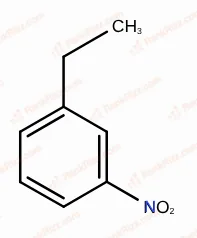
- (C)
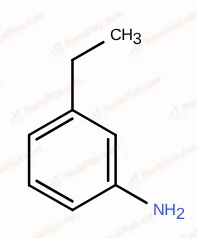
- (D)
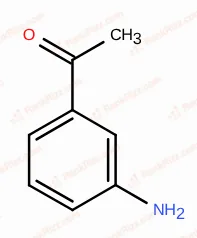
rr2.rankrizz.com/jee-main/chemistry/hydrocarbons/q/2026-chemistry-516808
- (A)
Isomeric hydrocarbons negative Baeyer's test (Molecular formula ) The total number of isomers from above with four different non-aliphatic substitution sites is -
Answer: ____________
rr2.rankrizz.com/jee-main/chemistry/hydrocarbons/q/29-jan-2025-s2-q72
The compound with molecular formula , which gives only one monobromo derivative and takes up four moles of hydrogen per mole for complete hydrogenation has ________ electrons.
Answer: ____________
rr2.rankrizz.com/jee-main/chemistry/hydrocarbons/q/22-jan-2025-s2-q71
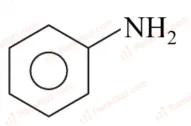
Number of compounds from the following which cannot undergo Friedel-Crafts reactions is: ________. toluene, nitrobenzene, xylene, cumene, aniline, chlorobenzene, -nitroaniline, -dinitrobenzene
Answer: ____________
rr2.rankrizz.com/jee-main/chemistry/hydrocarbons/q/9-apr-2024-s2-q55
Major product of the following reaction has ______ -bond.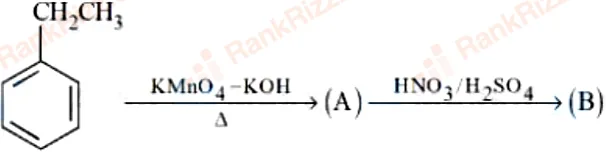
Answer: ____________
rr2.rankrizz.com/jee-main/chemistry/hydrocarbons/q/8-apr-2024-s1-q58
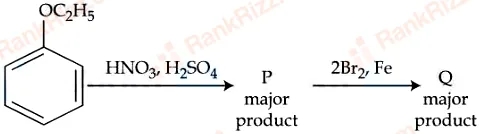
The ratio of number of oxygen atoms to bromine atoms in the product Q is ___________ .
Answer: ____________
rr2.rankrizz.com/jee-main/chemistry/hydrocarbons/q/6-apr-2024-s2-q60
Given below are two statements: Statement I : Nitration of benzene involves the following step
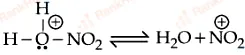
Statement II : Use of Lewis base promotes the electrophilic substitution of benzene. In the light of the above statements, choose the most appropriate answer from the options given below :
- (A)
Statement I is correct but Statement II is incorrect
- (B)
Statement I is incorrect but Statement II is correct
- (C)
Both Statement I and Statement II are correct
- (D)
Both Statement I and Statement II are incorrect
rr2.rankrizz.com/jee-main/chemistry/hydrocarbons/q/5-apr-2024-s1-q41
- (A)
Decreasing order of reactivity towards electrophilic substitution for the following compounds is:
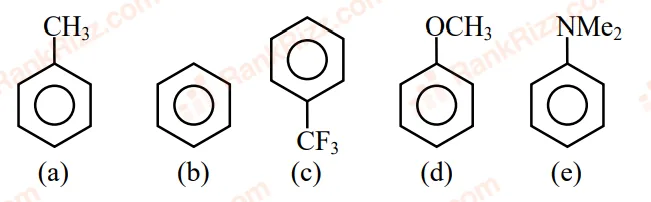
- (A)
d a e c b
- (B)
e d a b c
- (C)
a d e b c
- (D)
c b a d e
rr2.rankrizz.com/jee-main/chemistry/hydrocarbons/q/15-apr-2023-s1-q38
- (A)
'X' is:- (A)
- (B)
- (C)
- (D)
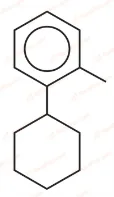
rr2.rankrizz.com/jee-main/chemistry/hydrocarbons/q/01-feb-2023-s2-q41
- (A)
Which among the following pairs of structures will give different products on ozonolysis? (Consider the double bonds in the structures are rigid and not delocalized.)
- (A)
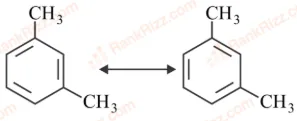
- (B)
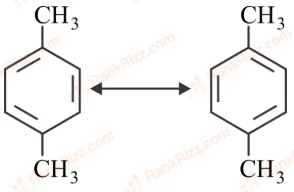
- (C)
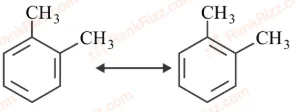
- (D)
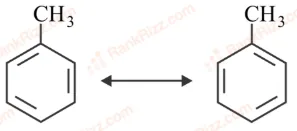
rr2.rankrizz.com/jee-main/chemistry/hydrocarbons/q/29-jul-2022-s1-q37
- (A)
In the presence of sunlight, benzene reacts with to give product X. The number of hydrogens in X is ______.
Answer: ____________
rr2.rankrizz.com/jee-main/chemistry/hydrocarbons/q/26-jul-2022-s1-q57
Benzene on nitration gives nitrobenzene in presence of HNO and HSO mixture, where:
- (A)
both HSO and HNO act as a bases
- (B)
HNO acts as an acid and HSO acts as a base
- (C)
both HSO and HNO act as an acids
- (D)
HNO acts as a base and HSO acts as an acid
rr2.rankrizz.com/jee-main/chemistry/hydrocarbons/q/20-jul-2021-s2-q40
- (A)
The correct sequence of reagents used in the preparation of 4-bromo-2-nitroethylbenzene from benzene is:
- (A)
, , ,
- (B)
, , ,
- (C)
, , ,
- (D)
, , ,
rr2.rankrizz.com/jee-main/chemistry/hydrocarbons/q/25-feb-2021-s2-q38
- (A)
Polysubstitution is a major drawback in:
- (A)
Reimer Tiemann reaction
- (B)
Friedel Craft's alkylation
- (C)
Acetylation of aniline
- (D)
Friedel Craft's acylation
rr2.rankrizz.com/jee-main/chemistry/hydrocarbons/q/8-apr-2019-s2-q41
- (A)
Consider the reaction sequence below:
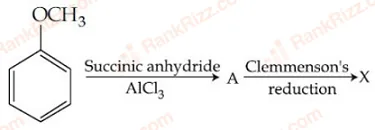
X is:- (A)
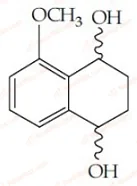
- (B)
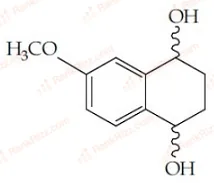
- (C)
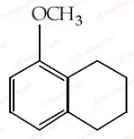
- (D)
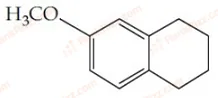
rr2.rankrizz.com/jee-main/chemistry/hydrocarbons/q/10-apr-2016-online-q42
- (A)
Given
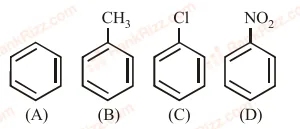
In the above compounds correct order of reactivity in electrophilic substitution reactions will be:
- (A)
B > A > C > D
- (B)
D > C > B > A
- (C)
A > B > C > D
- (D)
B > C > A > D
rr2.rankrizz.com/jee-main/chemistry/hydrocarbons/q/25-apr-2013-online-q46
- (A)
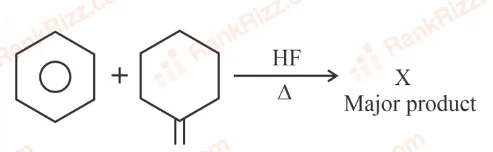
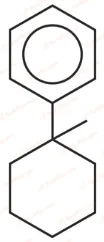
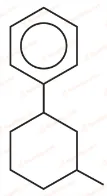
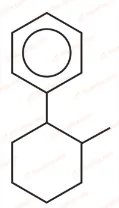
Which of the following would not give 2-phenylbutane as the major product in a Friedel-Crafts alkylation reaction?
- (A)
1-butene + HF
- (B)
2-butanol + HSO
- (C)
Butanoyl chloride + AlCl then Zn, HCl
- (D)
Butyl chloride + AlCl
rr2.rankrizz.com/jee-main/chemistry/hydrocarbons/q/22-apr-2013-online-q45
- (A)
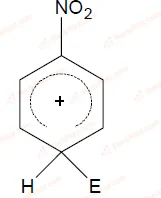
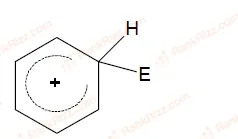
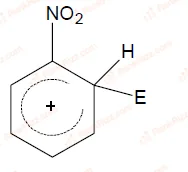
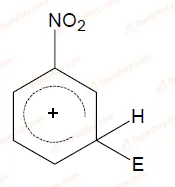
The electrophile, attacks the benzene ring to generate the intermediate -complex. Of the following, which -complex is of lowest energy?
- (A)
- (B)
- (C)
- (D)
rr2.rankrizz.com/jee-main/chemistry/hydrocarbons/q/2008-chemistry-499914
- (A)
Directive influence of substituents 17
For the given molecule, "x", the preferred site for the attack of the electrophile is :
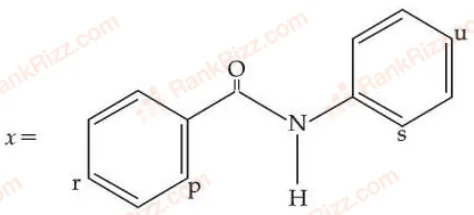
- (A)
Predominantly at "r"
- (B)
"r" and "u"
- (C)
"p" and "s"
- (D)
Predominantly at "u"
rr2.rankrizz.com/jee-main/chemistry/hydrocarbons/q/2-apr-2026-s1-q66
- (A)
Identify the conect statements:
The presence of - group in benzene ring
A. activates the ring towards electrophilic substitutions.
B. deactivates the ring towards electrophilic substitutions.
C. activates the ring towards nucleophilic substitutions.
D. deactivates the ring towards nucleophilic substitutions.
choose the correct answer from the options given below :- (A)
C and A Only
- (B)
B and C Only
- (C)
B and D Only
- (D)
A and D Only
rr2.rankrizz.com/jee-main/chemistry/hydrocarbons/q/28-jan-2026-s2-q51
- (A)
Given below are two statements : Statement (I) : On nitration of m-xylene with , followed by oxidation, 4-nitrobenzene-1,3-dicarboxylic acid is obtained as the major product. Statement (II) : group is o/p-directing while group is m-directing group. In the light of the above statements, choose the correct answer from the options given below :
- (A)
Both Statement I and Statement II are false
- (B)
Statement I is false but Statement II is true
- (C)
Statement I is true but Statement II is false
- (D)
Both Statement I and Statement II are true
rr2.rankrizz.com/jee-main/chemistry/hydrocarbons/q/29-jan-2025-s2-q65
- (A)
are meta directing groups. Activating groups act as ortho- and para-directing groups. Halides are activating groups. Choose the correct answer from the options given below:
- (A)
(A) only
- (B)
(A), (B) and (E) only
- (C)
(A) and (C) only
- (D)
(A), (C) and (D) only
rr2.rankrizz.com/jee-main/chemistry/hydrocarbons/q/24-jan-2025-s2-q56
- (A)
The correct arrangement for decreasing order of electrophilic substitution for above compounds is :
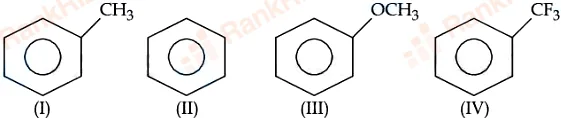
- (A)
- (B)
- (C)
- (D)
rr2.rankrizz.com/jee-main/chemistry/hydrocarbons/q/6-apr-2024-s2-q43
- (A)
Which of the following compound will most easily be attacked by an electrophile?- (A)

- (B)
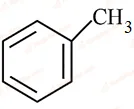
- (C)
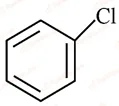
- (D)
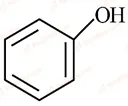
rr2.rankrizz.com/jee-main/chemistry/hydrocarbons/q/01-feb-2024-s1-q42
- (A)
Total number of deactivating groups in aromatic electrophilic substitution reaction among the following is: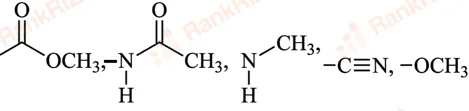
Answer: ____________
rr2.rankrizz.com/jee-main/chemistry/hydrocarbons/q/01-feb-2024-s1-q56
The set of meta directing functional groups from the following sets is:
- (A)
- (B)
- (C)
- (D)
rr2.rankrizz.com/jee-main/chemistry/hydrocarbons/q/01-feb-2024-s2-q39
- (A)
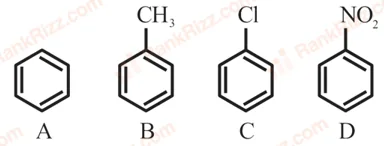
The correct order of reactivity in electrophilic substitution reaction of the following compounds is:
- (A)
- (B)
- (C)
- (D)
rr2.rankrizz.com/jee-main/chemistry/hydrocarbons/q/31-jan-2024-s2-q46
- (A)
Among the following, total number of meta directing functional groups is (Integer based) , , , , , , , ,
Answer: ____________
rr2.rankrizz.com/jee-main/chemistry/hydrocarbons/q/27-jan-2024-s1-q55
Given below are two statements, one is labelled as Assertion A and the other is labelled as Reason R.
Assertion A: Benzene is more stable than hypothetical cyclohexatriene.
Reason R: The delocalized electron cloud is attracted more strongly by nuclei of carbon atoms.
In the light of the above statements, choose the correct answer from the options given below:- (A)
A is true but R is false.
- (B)
A is false but R is true.
- (C)
Both A and R are correct and R is the correct explanation of A.
- (D)
Both A and R are correct but R is not the correct explanation of A.
rr2.rankrizz.com/jee-main/chemistry/hydrocarbons/q/24-jan-2023-s2-q39
- (A)
Arrange the following in increasing order of reactivity towards nitration
A. p-xylene
B. bromobenzene
C. mesitylene
D. nitrobenzene
E. benzene
Choose the correct answer from the options given below- (A)
- (B)
- (C)
- (D)
rr2.rankrizz.com/jee-main/chemistry/hydrocarbons/q/28-jul-2022-s2-q39
- (A)
The increasing order of the reactivity of the following compounds towards electrophilic aromatic substitution reactions is:
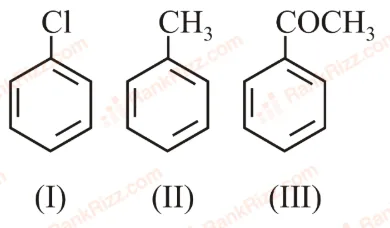
- (A)
II < I < III
- (B)
III < II < I
- (C)
III < I < II
- (D)
I < III < II
rr2.rankrizz.com/jee-main/chemistry/hydrocarbons/q/10-apr-2019-s1-q42
- (A)
The increasing order of reactivity of the following compounds towards aromatic electrophilic substitution reaction is:
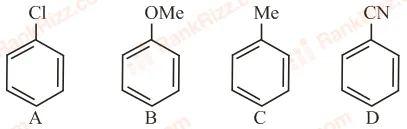
- (A)
A < B < C < D
- (B)
B < C < A < D
- (C)
D < B < A < C
- (D)
D < A < C < B
rr2.rankrizz.com/jee-main/chemistry/hydrocarbons/q/9-apr-2019-s1-q40
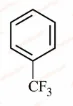
- (A)
In the below mentioned compounds the decreasing order of reactivity towards electrophilic substitution is
(i)
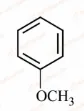
(ii)
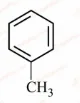
(iii)
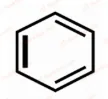
(iv)
- (A)
(iv) > (i) > (ii) > (iii)
- (B)
(ii) > (iii) > (i) > (iv)
- (C)
(iii) > (i) > (iv) > (ii)
- (D)
(i) > (ii) > (iii) > (iv)
rr2.rankrizz.com/jee-main/chemistry/hydrocarbons/q/2012-chemistry-499422
- (A)
The reaction of toluene with in presence of gives predominantly
- (A)
benzoyl chloride
- (B)
benzyl chloride
- (C)
and chlorotoluene
- (D)
chlorotoluene
rr2.rankrizz.com/jee-main/chemistry/hydrocarbons/q/2007-chemistry-499805
- (A)
Presence of a nitro group in a benzene ring
- (A)
activates the ring towards electrophilic substitution
- (B)
renders the ring basic
- (C)
deactivates the ring towards nucleophilic substitution
- (D)
deactivates the ring towards electrophilic substitution
rr2.rankrizz.com/jee-main/chemistry/hydrocarbons/q/2007-chemistry-499806
- (A)
Alkenes: preparation and stability 16
IUPAC name of the some alkenes are given below.
Find out the correct stability order.2-Methylbut-2-ene
-But-2-ene
2,3-Dimethylbut-2-ene
Prop-1-ene
Choose the correct answer from the options given below:
- (A)
C > A > B > D
- (B)
C > A > D > B
- (C)
B > D > A > C
- (D)
A > B > C > D
rr2.rankrizz.com/jee-main/chemistry/hydrocarbons/q/5-apr-2026-s2-q63
- (A)
Anange the following alkenes in decreasing order of stability.
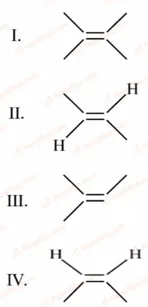
Choose the correct answer from the options given below:- (A)
I > III > IV > II
- (B)
III > I > II > IV
- (C)
I > III > II > IV
- (D)
III > II > I > IV
rr2.rankrizz.com/jee-main/chemistry/hydrocarbons/q/24-jan-2026-s1-q56
- (A)
The reactions which cannot be applied to prepare an alkene by elimination, are
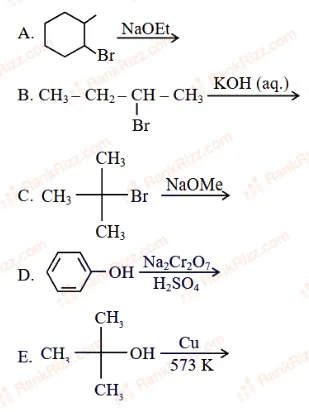
Choose the correct answer from the options given below :
- (A)
B & E Only
- (B)
B, C & D Only
- (C)
A, C & D Only
- (D)
B & D Only
rr2.rankrizz.com/jee-main/chemistry/hydrocarbons/q/2025-apr-7-s1-q70
- (A)
In the above reaction, left hand side and right hand side rings are named as 'A' and 'B' respectively. They undergo ring expansion. The correct statement for this process is: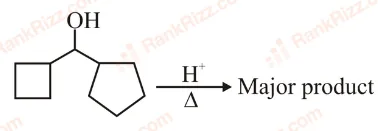
- (A)
Ring expansion can go upto seven membered rings
- (B)
Finally both rings will become six membered each.
- (C)
Finally both rings will become five membered each.
- (D)
Only A will become 6 membered.
rr2.rankrizz.com/jee-main/chemistry/hydrocarbons/q/13-apr-2023-s1-q47
- (A)
The one giving maximum number of isomeric alkenes on dehydrohalogenation reaction is (excluding rearrangement)
- (A)
1-Bromo-2-methylbutane
- (B)
2-Bromopropane
- (C)
2-Bromopentane
- (D)
2-Bromo-3,3-dimethylpentane
rr2.rankrizz.com/jee-main/chemistry/hydrocarbons/q/29-jan-2023-s2-q44
- (A)
Given below are two statements.
Statement I: The presence of weaker -bonds make alkenes less stable than alkanes
Statement II: The strength of the double bond is greater than that of carbon-carbon single bond.
In the light of the above statements, choose the correct answer from the options given below.- (A)
Both Statement I and Statement II are correct.
- (B)
Both Statement I and Statement II are incorrect.
- (C)
Statement I is correct but Statement II is incorrect.
- (D)
Statement I is incorrect but Statement II is correct.
rr2.rankrizz.com/jee-main/chemistry/hydrocarbons/q/24-jun-2022-s2-q38
- (A)
The correct order of heat of combustion for following alkadienes is:
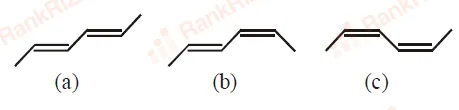
- (A)
- (B)
- (C)
- (D)
rr2.rankrizz.com/jee-main/chemistry/hydrocarbons/q/9-jan-2020-s1-q35
- (A)
Consider the following reactions:
(a)
(b)
(c)
(d)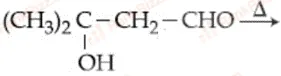
Which of the reaction(s) will not produce Saytzeff product?- (A)
(a), (c) and (d)
- (B)
(d) only
- (C)
(c) only
- (D)
(b) and (d)
rr2.rankrizz.com/jee-main/chemistry/hydrocarbons/q/7-jan-2020-s1-q35
- (A)
The major product of the following reaction is:
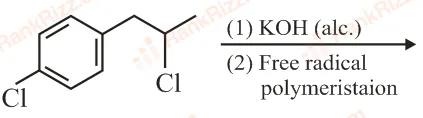
- (A)
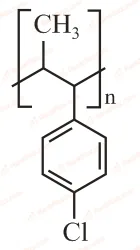
- (B)
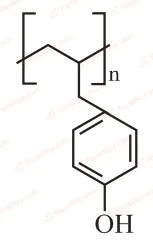
- (C)
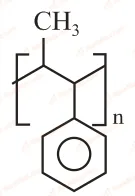
- (D)
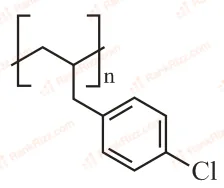
rr2.rankrizz.com/jee-main/chemistry/hydrocarbons/q/9-apr-2019-s1-q41
- (A)
The major product of the following reaction is:
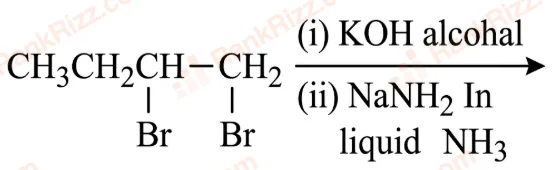
- (A)
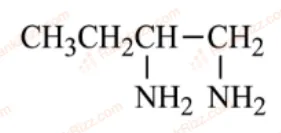
- (B)
- (C)
- (D)
rr2.rankrizz.com/jee-main/chemistry/hydrocarbons/q/12-jan-2019-s2-q41
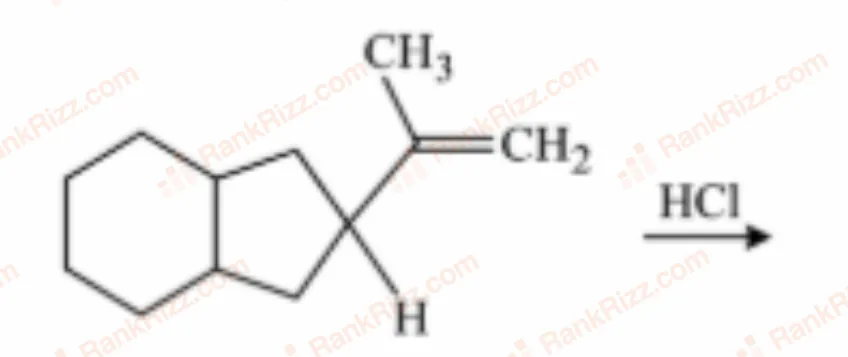
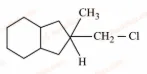
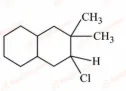
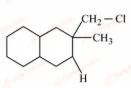
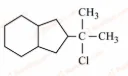
- (A)
The major product of the following reaction is:
- (A)
- (B)
- (C)
- (D)
rr2.rankrizz.com/jee-main/chemistry/hydrocarbons/q/12-jan-2019-s2-q52
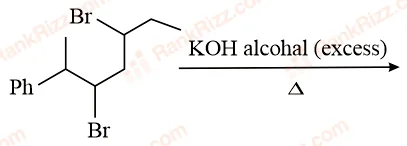
- (A)
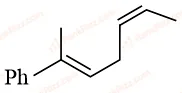
The major product of the following reaction is:
- (A)
- (B)
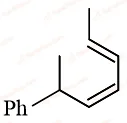
- (C)
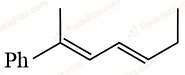
- (D)
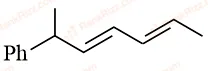
rr2.rankrizz.com/jee-main/chemistry/hydrocarbons/q/10-jan-2019-s1-q43
- (A)
Which of the following will most readily give the dehydrohalogenation product?
- (A)
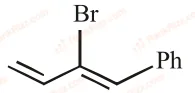
- (B)
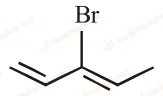
- (C)
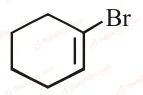
- (D)
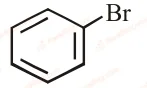
rr2.rankrizz.com/jee-main/chemistry/hydrocarbons/q/15-apr-2018-s1-q47
- (A)
When 2-butyne is treated with H/Lindlar's catalyst, compound X is produced as the major product and when treated with Na/liq. NH it produces Y as the major product. Which of the following statements is correct?
- (A)
Y will have higher dipole moment and higher boiling point than X Y
- (B)
Y will have higher dipole moment and lower boiling point than X
- (C)
X will have lower dipole moment and lower boiling point than Y
- (D)
X will have higher dipole moment and higher boiling point than Y
rr2.rankrizz.com/jee-main/chemistry/hydrocarbons/q/15-apr-2018-s2-q44
- (A)
The major product formed in the following reaction is:
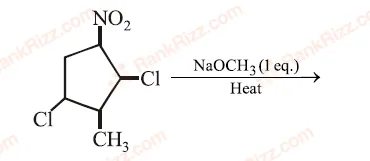
- (A)
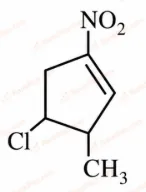
- (B)
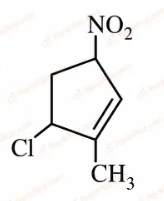
- (C)
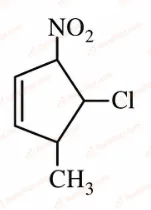
- (D)
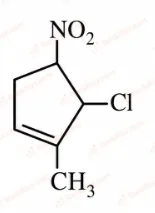
rr2.rankrizz.com/jee-main/chemistry/hydrocarbons/q/15-apr-2018-s2-q45
- (A)
The alkene formed as a major product in the above elimination reaction is
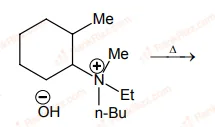
- (A)
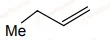
- (B)
- (C)
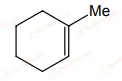
- (D)
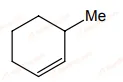
rr2.rankrizz.com/jee-main/chemistry/hydrocarbons/q/2006-chemistry-500050
- (A)
Alkanes: preparation and properties 7
Given below are two statements:
Statement I: Methane can be prepared by decarboxylation of sodium ethanoate, Kolbe's electrolysis of sodium acetate and reaction of CHMgBr with water.
Statement II: Methane cannot be prepared from unsaturated hydrocarbons and by Wurtz reaction.
In the light of the above statements, choose the correct answer from the options given below:- (A)
Both Statement I and Statement II are true
- (B)
Both Statement I and Statement II are false
- (C)
Statement I is true but Statement II is false
- (D)
Statement I is false but Statement II is true
rr2.rankrizz.com/jee-main/chemistry/hydrocarbons/q/6-apr-2026-s1-q65
- (A)
Identify the correct IUPAC name of hydrocarbon (x) containing three primary carbons atoms and with molar mass g mol :
- (A)
1,1-Dimethylcyclopropane
- (B)
2,2-Dimethylpropane
- (C)
2-Methylbutane
- (D)
n-Pentane
rr2.rankrizz.com/jee-main/chemistry/hydrocarbons/q/5-apr-2026-s2-q64
- (A)
Given below are two statements :
Statement (I) : Neopentane forms only one monosubstituted derivative.
Statement (II) : Melting point of neopentane is higher than n-pentane.
In the light of the above statements, choose the most appropriate answer from the options given below :- (A)
Statement I is correct but Statement II is incorrect
- (B)
Both Statement I and Statement II are correct
- (C)
Both Statement I and Statement II are incorrect
- (D)
Statement I is incorrect but Statement II is correct
rr2.rankrizz.com/jee-main/chemistry/hydrocarbons/q/2025-apr-02-s2-q53
- (A)
The alkane from below having two secondary hydrogens is :
- (A)
4-Ethyl-3,4-dimethyloctane
- (B)
2,2,3,3-Tetramethylpentane
- (C)
2,2,4,5-Tetramethylheptane
- (D)
2,2,4,4-Tetramethylhexane
rr2.rankrizz.com/jee-main/chemistry/hydrocarbons/q/22-jan-2025-s2-q65
- (A)
Number of alkanes obtained on electrolysis of a mixture of and is _____.
Answer: ____________
rr2.rankrizz.com/jee-main/chemistry/hydrocarbons/q/31-jan-2024-s1-q55
Choose the correct set of reagents for the following conversion
trans Ph - CH = CH - CH cis Ph - CH = CH - CH- (A)
Br, alc KOH, NaNH, NaLiqNH
- (B)
Br, alc KOH, NaNH, H Lindlar Catalyst
- (C)
Br, aq KOH, NaNH, H Lindlar Catalyst
- (D)
Br, aq KOH, NaNH, NaLiqNH
rr2.rankrizz.com/jee-main/chemistry/hydrocarbons/q/31-jan-2023-s1-q36
- (A)
Which one of the following has the minimum boiling point?
- (A)
n-butane
- (B)
isobutane
- (C)
1-butene
- (D)
1-butyne
rr2.rankrizz.com/jee-main/chemistry/hydrocarbons/q/2004-chemistry-500369
- (A)
Oxidation and reduction of alkenes 7
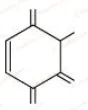
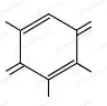
An alkene on ozonolysis followed by reduction gives following products:

The alkene is :- (A)

- (B)
- (C)
- (D)

rr2.rankrizz.com/jee-main/chemistry/hydrocarbons/q/4-apr-2026-s1-q64
- (A)
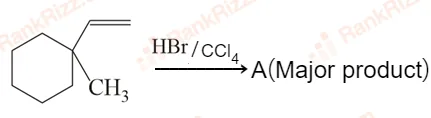
- (A)
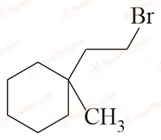
- (B)
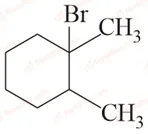
- (C)
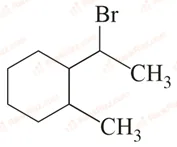
- (D)
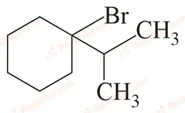
rr2.rankrizz.com/jee-main/chemistry/hydrocarbons/q/17-mar-2021-s1-q39
- (A)
The trans-alkenes are formed by the reduction of alkynes with:
- (A)
Sn - HCl
- (B)
H - Pd/C, BaSO
- (C)
NaBH
- (D)
Na / liq. NH
rr2.rankrizz.com/jee-main/chemistry/hydrocarbons/q/8-apr-2018-offline-q45
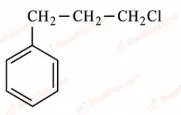
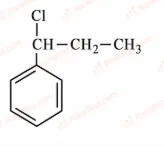
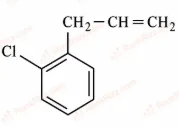
- (A)
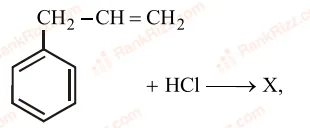
X is:- (A)
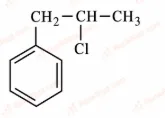
- (B)
- (C)
- (D)
rr2.rankrizz.com/jee-main/chemistry/hydrocarbons/q/9-apr-2013-online-q55
- (A)
Ozonolysis of an organic compound gives formaldehyde as one of the products. This confirms the presence of:
- (A)
a vinyl group
- (B)
an isopropyl group
- (C)
an acetylenic triple bond
- (D)
two ethylenic double bonds
rr2.rankrizz.com/jee-main/chemistry/hydrocarbons/q/2011-chemistry-499513
- (A)
One mole of a symmetrical alkene on ozonolysis gives two moles of an aldehyde having a molecular mass of u. The alkene is
- (A)
propene
- (B)
1-butene
- (C)
2-butene
- (D)
ethene
rr2.rankrizz.com/jee-main/chemistry/hydrocarbons/q/2010-chemistry-499706
- (A)
In the following sequence of reactions, the alkene affords the compound '' $ The compound B is
- (A)
- (B)
- (C)
- (D)
rr2.rankrizz.com/jee-main/chemistry/hydrocarbons/q/2008-chemistry-499913
- (A)
Alkynes: preparation and acidity 6
1,2-dibromocyclooctane is treated with

'P' is :- (A)

- (B)

- (C)

- (D)

rr2.rankrizz.com/jee-main/chemistry/hydrocarbons/q/2025-apr-8-s2-q55
- (A)
The incorrect statement regarding ethyne is
- (A)
The bonds in ethyne is shorter than that in ethene
- (B)
Both carbons are sp hybridised
- (C)
Ethyne is linear
- (D)
The carbon - carbon bonds in ethyne is weaker than that in ethene
rr2.rankrizz.com/jee-main/chemistry/hydrocarbons/q/9-apr-2024-s2-q36
- (A)
Consider the following reactions:
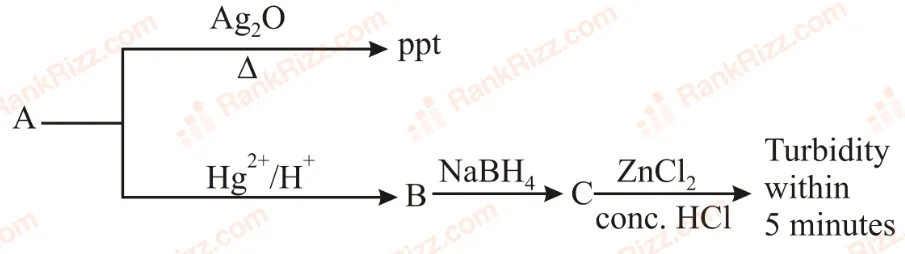
'A' is:
- (A)
CH = CH
- (B)
CH ≡ CH
- (C)
CH - C ≡ C - CH
- (D)
CH - C ≡ CH
rr2.rankrizz.com/jee-main/chemistry/hydrocarbons/q/12-apr-2019-s2-q56
- (A)
The correct order for acid strength of compounds , and is as follows:
- (A)
- (B)
- (C)
- (D)
rr2.rankrizz.com/jee-main/chemistry/hydrocarbons/q/12-jan-2019-s1-q42
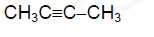
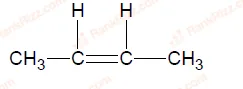
- (A)
The treatment of with produces
- (A)
- (B)
- (C)
- (D)

rr2.rankrizz.com/jee-main/chemistry/hydrocarbons/q/2008-chemistry-499915
- (A)
The hydrocarbon which can react with sodium in liquid ammonia is
- (A)
- (B)
- (C)
- (D)
rr2.rankrizz.com/jee-main/chemistry/hydrocarbons/q/2008-chemistry-499923
- (A)
Benzene and aromatic hydrocarbons: structure and preparation 2
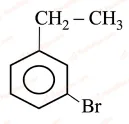
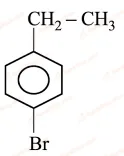
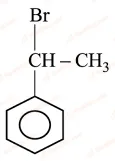
The product of the reaction between ethyl benzene and N-bromosuccinamide is
- (A)
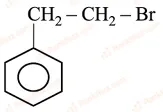
- (B)
- (C)
- (D)
rr2.rankrizz.com/jee-main/chemistry/hydrocarbons/q/2012-chemistry-499345
- (A)
The compound formed as a result of oxidation of ethyl benzene by is
- (A)
benzophenone
- (B)
acetophenone
- (C)
benzoic acid
- (D)
benzyl alcohol
rr2.rankrizz.com/jee-main/chemistry/hydrocarbons/q/2007-chemistry-499821
- (A)
Answer key
- 01 A
- 02 66
- 03 C
- 04 B
- 05 B
- 06 D
- 07 C
- 08 C
- 09 27
- 10 D
- 11 8
- 12 B
- 13 B
- 14 C
- 15 B
- 16 D
- 17 A
- 18 1
- 19 C
- 20 —
- 21 4
- 22 70
- 23 D
- 24 C
- 25 D
- 26 A
- 27 3
- 28 C
- 29 C
- 30 A
- 31 D
- 32 B
- 33 D
- 34 D
- 35 A
- 36 B
- 37 A
- 38 2
- 39 C
- 40 A
- 41 D
- 42 A
- 43 2
- 44 D
- 45 D
- 46 A
- 47 C
- 48 B
- 49 C
- 50 D
- 51 A
- 52 D
- 53 B
- 54 D
- 55 B
- 56 C
- 57 A
- 58 B
- 59 C
- 60 A
- 61 A
- 62 D
- 63 A
- 64 A
- 65 D
- 66 D
- 67 B
- 68 D
- 69 B
- 70 D
- 71 4
- 72 14
- 73 17
- 74 C
- 75 C
- 76 D
- 77 C
- 78 B
- 79 B
- 80 9
- 81 3
- 82 C
- 83 D
- 84 B
- 85 D
- 86 C
- 87 D
- 88 18
- 89 8
- 90 A
- 91 A
- 92 D
- 93 D
- 94 B
- 95 A
- 96 B
- 97 B
- 98 B
- 99 A
- 100 B
- 101 A
- 102 C
- 103 B
- 104 C
- 105 2
- 106 A
- 107 A
- 108 B
- 109 C
- 110 B
- 111 D
- 112 C
- 113 7
- 114 A
- 115 D
- 116 13
- 117 B
- 118 D
- 119 B
- 120 C
- 121 B
- 122 A
- 123 C
- 124 A
- 125 B
- 126 A
- 127 10
- 128 A
- 129 C
- 130 2
- 131 —
- 132 4
- 133 5
- 134 15
- 135 A
- 136 B
- 137 C
- 138 C
- 139 6
- 140 D
- 141 B
- 142 B
- 143 D
- 144 A
- 145 C
- 146 B
- 147 D
- 148 B
- 149 D
- 150 D
- 151 A
- 152 D
- 153 2
- 154 C
- 155 D
- 156 4
- 157 A
- 158 B
- 159 C
- 160 D
- 161 D
- 162 C
- 163 D
- 164 A
- 165 C
- 166 D
- 167 —
- 168 C
- 169 A
- 170 A
- 171 C
- 172 A
- 173 C
- 174 D
- 175 C
- 176 A
- 177 D
- 178 A
- 179 B
- 180 D
- 181 C
- 182 B
- 183 B
- 184 3
- 185 B
- 186 B
- 187 B
- 188 D
- 189 D
- 190 C
- 191 A
- 192 C
- 193 D
- 194 B
- 195 D
- 196 D
- 197 B
- 198 D
- 199 B
- 200 D
- 201 C
“—” marks a question whose key we have not checked yet; its page shows the latest on it.
Past questions are reproduced with their sitting. Not affiliated with NTA or the IITs. Every question, online and free: rr2.rankrizz.com/jee-main/chemistry/hydrocarbons