JEE MAIN 2023 · 12 APR S1Reactions of carboxylic acids
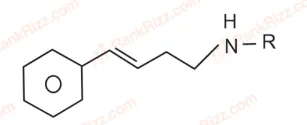
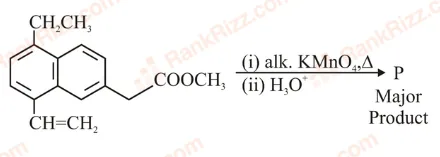
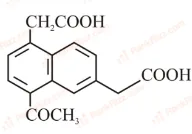
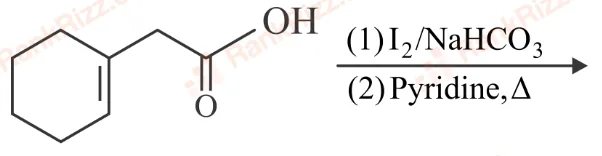
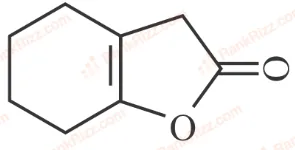
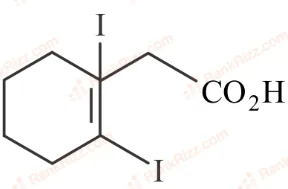
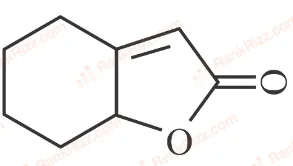
The major product 'P' formed in the following sequence of reactions is
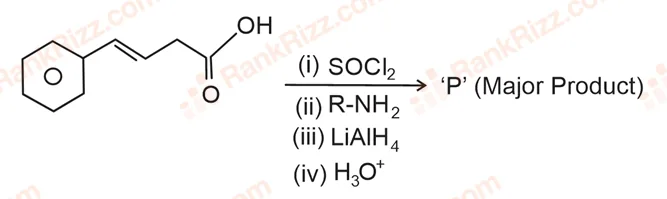
- A
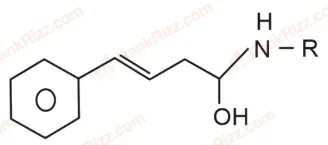
- B
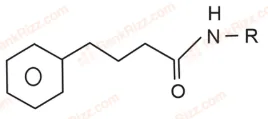
- C
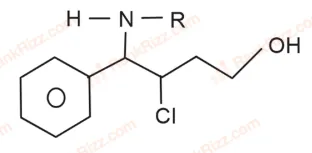
- D
Every Carboxylic Acids and Derivatives question JEE Main has set from 2004–2026, grouped by the idea it tests rather than the order of the syllabus. 76 questions across 4 distinct ideas. Free to read, answer key on every one.
DATA UPDATED
Questions
76
Distinct ideas
4
Share of marks
1.4%
Difficulty
HARD
A chapter is not one subject — it is a handful of procedures the examiner reuses. These are the ones Carboxylic Acids and Derivatives questions actually test.
21–40 OF 76 · NEWEST FIRST
The major product 'P' formed in the following sequence of reactions is
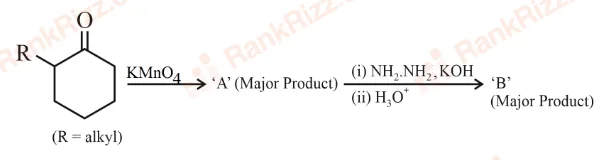
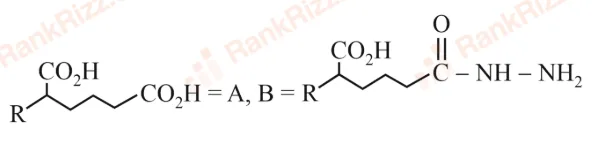
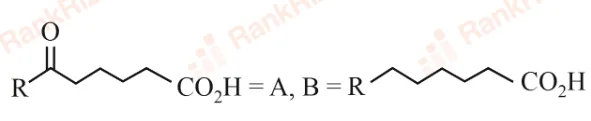
'A' and 'B' in the above reaction are :
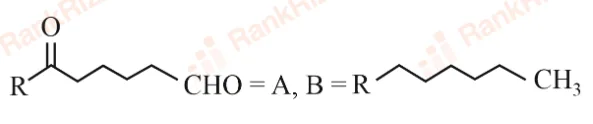
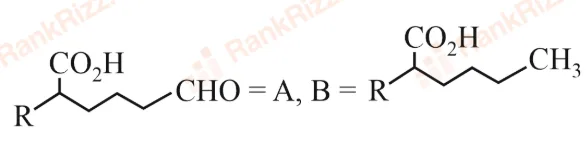
Given below are two statements, one is labelled as Assertion A and the other is labelled as Reason R.
Assertion A: A solution of the product obtained by heating a mole of glycine with a mole of chlorine in presence of red phosphorous generates chiral carbon atom.
Reason R: A molecule with 2 chiral carbons is always optically active.
A is true but R is false
Both A and R are true but R is the correct explanation of A
A is false but R is true
Both A and R are true but R is NOT the correct explanation of A
The major product 'P' formed in the given reaction is
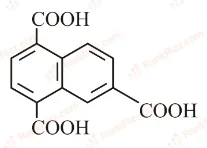
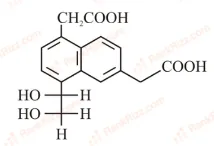
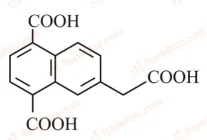
The major product formed in the following reaction is
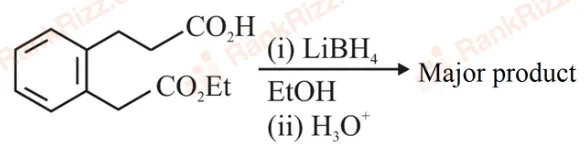
COH + COEt compound treated with (i) LiBH/EtOH (ii) HO
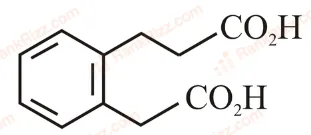
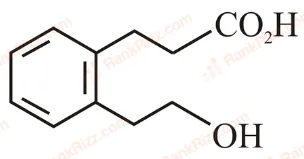
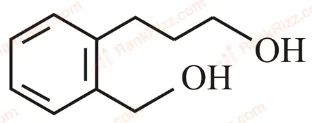
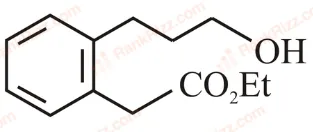
In a reaction
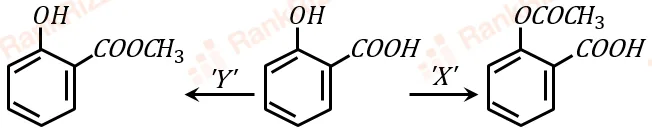
reagents 'X' and 'Y' respectively are:
and
and
and
and
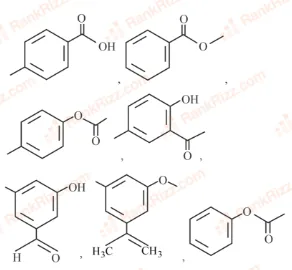
Number of compounds from the following which will not dissolve in cold NaHCO and NaOH solutions but will dissolve in hot NaOH solution is ______.
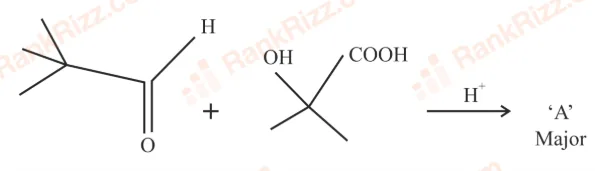
'A' in the given reaction is
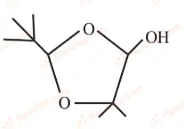
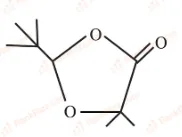
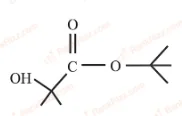
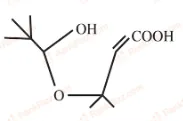
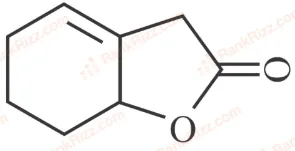
Compound X undergoes following sequence of reactions to give the Lactone Y.
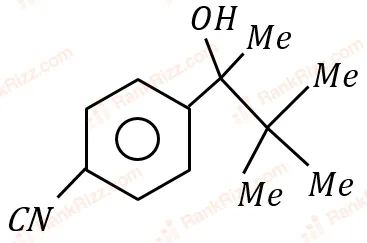
Option 1 (see figure)
Option 2 (see figure)
Option 3 (see figure)
Option 4 (see figure)
Find out the major product for the above reaction.
Given below are two statements:
Statement I: The esterification of carboxylic acid with an alcohol is a nucleophilic acyl substitution.
Statement II: Electron withdrawing groups in the carboxylic acid will increase the rate of esterification reaction.
Choose the most appropriate option
Statement I is correct but Statement II is incorrect.
Both Statement I and Statement II are incorrect.
Both Statement I and Statement II are correct.
Statement I is incorrect but Statement II is correct.
Consider the above reaction and identify the intermediate 'X'
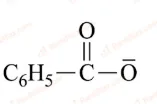
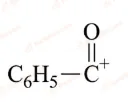
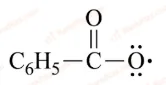
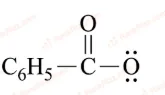
The reagent, from the following, which converts benzoic acid to benzaldehyde in one step is
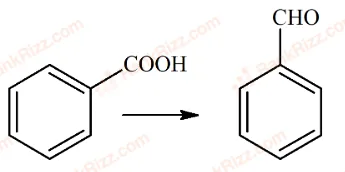
MnO
Two statements are given below :
Statement I : The melting point of monocarboxylic acid with even number of carbon atoms is higher than that of with odd number of carbon atoms acid immediately below and above it in the series.
Statement II : The solubility of monocarboxylic acids in water decreases with increase in molar mass.
Choose the most appropriate option :
Both Statement I and Statement II are correct.
Both Statement I and Statement II are incorrect.
Statement I is correct but Statement II is incorrect.
Statement I is incorrect but Statement II is correct.
The structure of product C, formed by the following sequence of reactions is:
CHCOOH + SOCl A B C
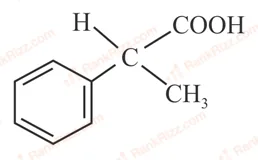
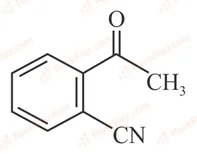
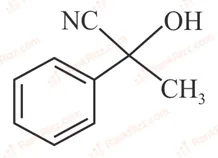
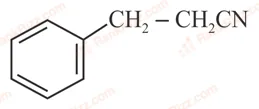
Given below are two statements:
Statement I : Ethyl pent-4-yn-oate on reaction with CHMgBr gives a 3°-alcohol.
Statement II : In this reaction one mole of ethyl pent-4-yn-oate utilizes two moles of CHMgBr.
In the light of the above statements, choose the most appropriate answer from the options given below:
Both Statement I and Statement II are false
Statement I is true but Statement II is false
Statement I is false but Statement II is true
Both Statement I and Statement II are true
Which one of the following reactions will not yield propanoic acid?
CHCHCHBr + Mg, CO dry ether /HO
CHCHCH + KMnO(Heat), OH /HO
CHCHCCl + OH /HO
CHCHCOCH + OI /HO
The correct sequential addition of reagents in the preparation of 3-nitrobenzoic acid from benzene is:
Br/AlBr, HNO/HSO, Mg/ether, CO, HO
Br/AlBr, NaCN, HO, HNO/HSO
Br/AlBr, HNO/HSO, NaCN, HO
HNO/HSO, Br/AlBr, Mg/ether, CO, HO
Which one of the following compounds will liberate CO, when treated with NaHCO?
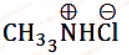
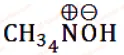
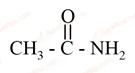
CHNH
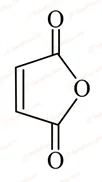
Maleic anhydride
Maleic anhydride can be prepared by:
Heating trans-but-2-enedioic acid
Heating cis-but-2-enedioic acid
Treating cis-but-2-enedioic acid with alcohol and acid
Treating trans-but-2-enedioic acid with alcohol and acid
JEE Advanced has set 27 Carboxylic Acids and Derivatives questions too. Carboxylic Acids and Derivatives JEE Advanced PYQs →
OTHER CHEMISTRY CHAPTERS