JEE MAIN 2023 · 15 APR S1Acid derivatives: esters, amides, anhydrides and acid chlorides
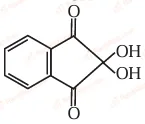
A cyclic anhydride reacts with HO to give 'A' (major product).
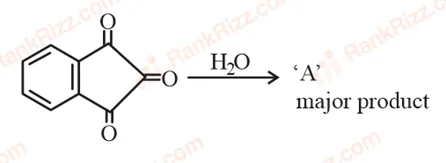
'A' formed in the above reaction is
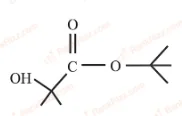
- A
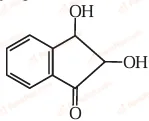
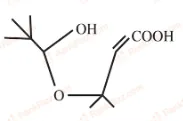
- B
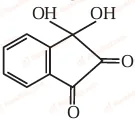
- C
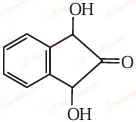
- D
Acid derivatives: esters, amides, anhydrides and acid chlorides has been asked 11 times in JEE Main, in 7 different years between 2004 and 2023, and in 1 of the last five exam years (2022–2026), 3 questions in all. That is 14% of Carboxylic Acids and Derivatives, one of its three most-asked topics. Last asked in JEE Main 15 Apr 2023, Shift 1. All 11 are multiple choice; 5 medium and 1 hard by our difficulty labels. All of them are below, newest first, free to read.
Questions
11
Years asked
7
Since
2004
Of the chapter
14%
Questions on Acid derivatives: esters, amides, anhydrides and acid chlorides in every year it was asked, newest first.
| Year | Relative frequency | Questions |
|---|---|---|
| 2023 | 3 | |
| 2019 | 2 | |
| 2018 | 1 | |
| 2011 | 1 | |
| 2009 | 1 | |
| 2005 | 1 | |
| 2004 | 2 | |
| Total | 11 |
1–11 OF 11 · NEWEST FIRST
A cyclic anhydride reacts with HO to give 'A' (major product).
'A' formed in the above reaction is
'A' in the given reaction is
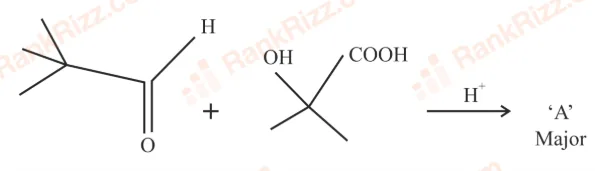
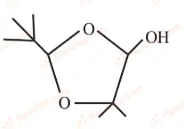
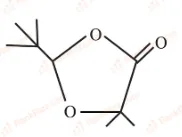
Compound X undergoes following sequence of reactions to give the Lactone Y.
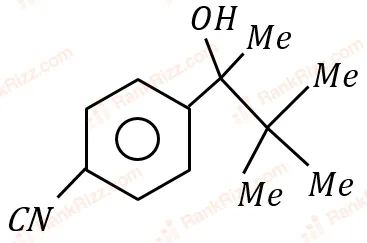
Option 1 (see figure)
Option 2 (see figure)
Option 3 (see figure)
Option 4 (see figure)
The major product Y in the following reaction is:
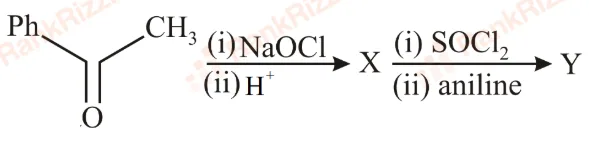
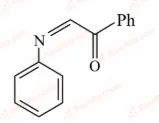
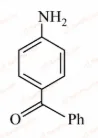
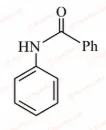
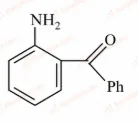
The major product of the following reaction is:
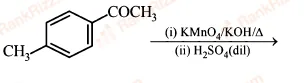
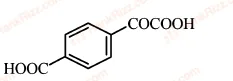
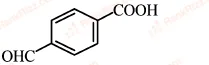
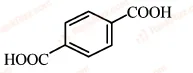
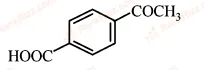
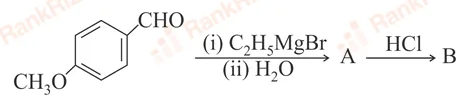
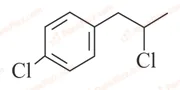
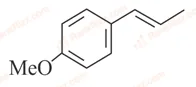
The major product B formed in the following reaction sequence is:
Sodium ethoxide has reacted with ethanoyl chloride. The compound that is produced in the above reaction is:
2-Butanone
Ethyl chloride
Ethyl ethanoate
Diethyl ether
A liquid was mixed with ethanol and a drop of concentrated was added. A compound with a fruity smell was formed. The liquid was:
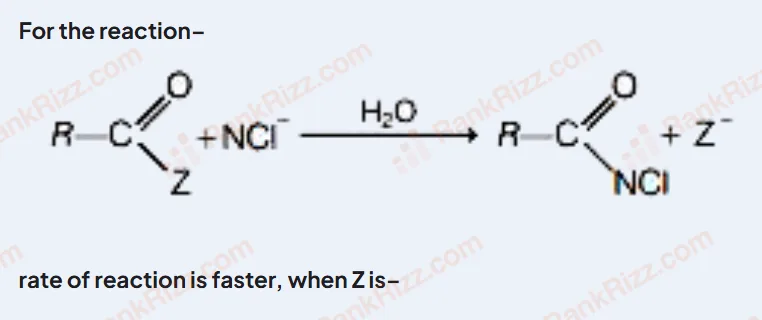
Cl
NH
OCH
OCOR
Rate of the reaction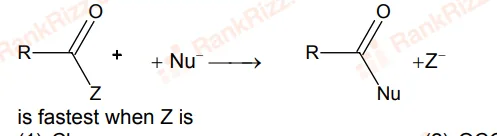
is fastest when Z is
Cl
On mixing ethyl acetate with aqueous sodium chloride, the composition of the resultant solution is
RELATED CARBOXYLIC ACIDS AND DERIVATIVES TOPICS