JEE MAIN 2021 · 25 FEB S1Nucleophilic addition reactions of carbonyl compounds
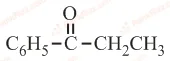
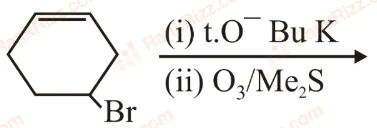
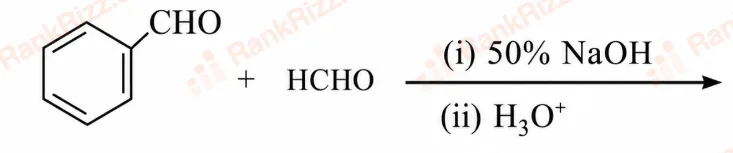
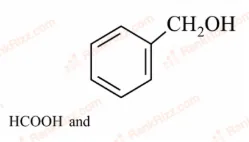
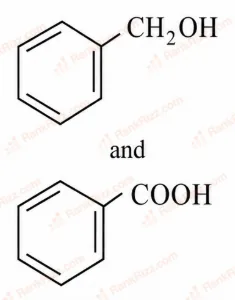
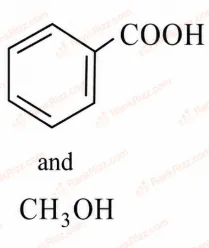
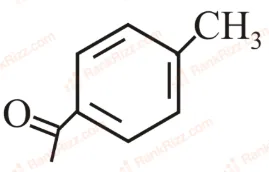
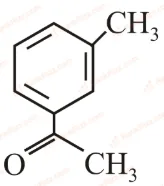
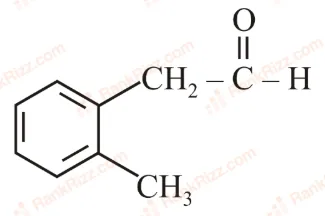
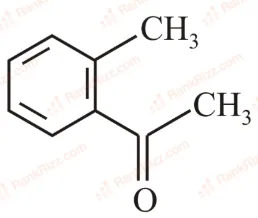
The major product of the following chemical reaction is:
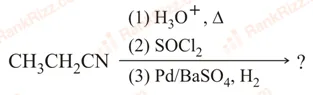
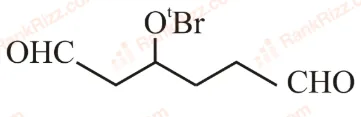
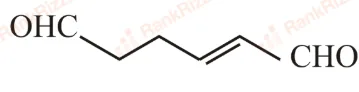
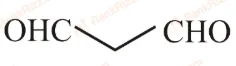
- A
- B
- C
- D
Every Aldehydes and Ketones question JEE Main has set from 2004–2026, grouped by the idea it tests rather than the order of the syllabus. 214 questions across 5 distinct ideas. Free to read, answer key on every one.
DATA UPDATED
Questions
214
Distinct ideas
5
Share of marks
4.6%
Difficulty
HARD
A chapter is not one subject — it is a handful of procedures the examiner reuses. These are the ones Aldehydes and Ketones questions actually test.
141–160 OF 214 · NEWEST FIRST
The major product of the following chemical reaction is:
The major product of the following reaction is:
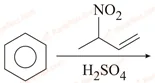
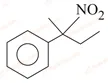

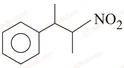
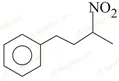
Which of the following reagent is used for the following reaction?
Copper at high temperature and pressure
Manganese acetate
Molybdenum oxide
Potassium permanganate
Which of the following reagent is suitable for the preparation of the product in the above reaction?
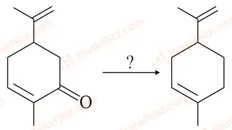
Red P +
Ni /
Which one of the following carbonyl compounds cannot be prepared by addition of water on an alkyne in the presence of and ?
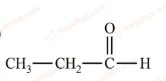
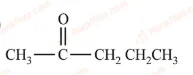
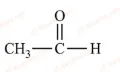
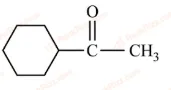
Match List - I with List - II.
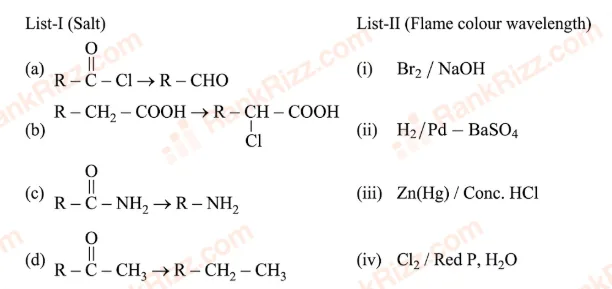
Choose the correct answer from the options given below:
(a)-(ii), (b)-(iv), (c)-(i), (d)-(iii)
(a)-(iii), (b)-(i), (c)-(iv), (d)-(ii)
(a)-(ii), (b)-(i), (c)-(iv), (d)-(iii)
(a)-(iii), (b)-(iv), (c)-(i), (d)-(ii)
Consider the following reactions:
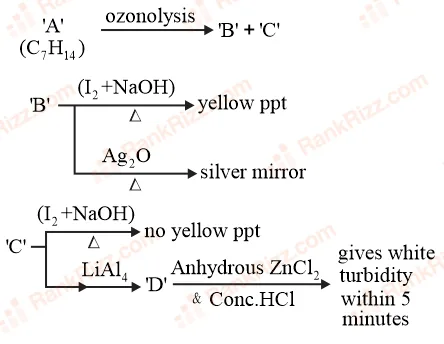
'A' is:
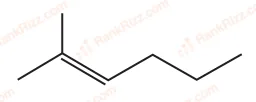
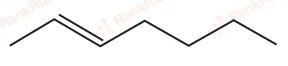
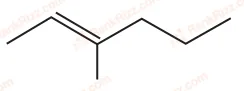
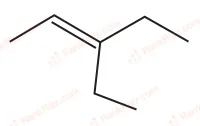
The correct match between Item-I (starting material) and Item-II (reagent) for the preparation of benzaldehyde is:
Item-I Item-II
(I) Benzene (P) HCl and ,
(II) Benzonitrile (Q) , , S and quinoline
(III) Benzoyl Chloride (R) Co, HCl and
(I)-(Q), (II)-(R) and (III)-(P)
(I)-(P), (II)-(Q) and (III)-(R)
(I)-(R), (II)-(P) and (III)-(Q)
(I)-(R), (II)-(Q) and (III)-(P)
The increasing order of the acidity of the -hydrogen of the following compounds is:

An organic compound (A) (molecular formula ) was hydrolysed with dil. to give a carboxylic acid (B) and an alcohol (C). 'C' gives white turbidity immediately when treated with anhydrous and conc. HCl. The organic compound (A) is:
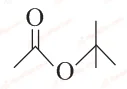
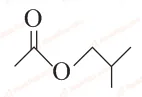
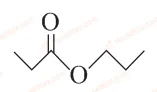
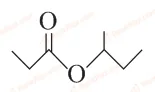
The increasing order of the reactivity of the following compounds in nucleophile addition reaction is:
Propanal, Benzaldehyde, Propanone, Butanone
Benzaldehyde > Butanone < Propanone < Propanal
Butanone < Propanone < Benzaldehyde < Propanal
Propanal < Propanone < Butanone < Benzaldehyde
Benzaldehyde < Propanal < Propanone < Butanone
The compound A in the following reactions is:
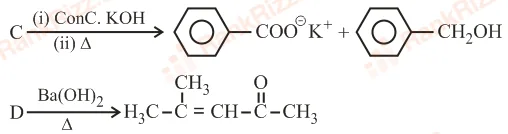
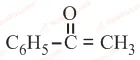
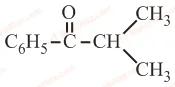
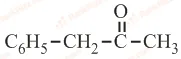
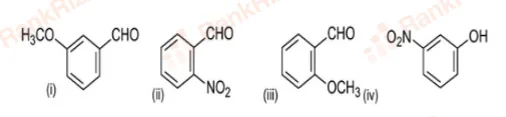
The increasing order of the following compounds towards HCN addition is:
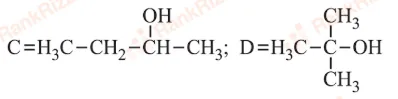
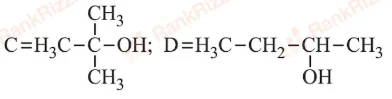
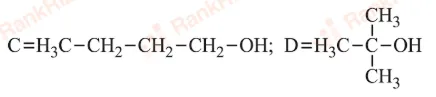
Two compounds A and B with same molecular formula undergo Grignard reaction with methylmagnesium bromide to give products C and D. Products C and D show following chemical tests:
| Test | C | D |
|---|---|---|
| Ceric ammonium nitrate Test | Positive | Positive |
| Lucas Test | Turbidity obtained after five minutes | Turbidity obtained Immediately |
| Iodoform Test | Positive | Negative |
C and D respectively are:

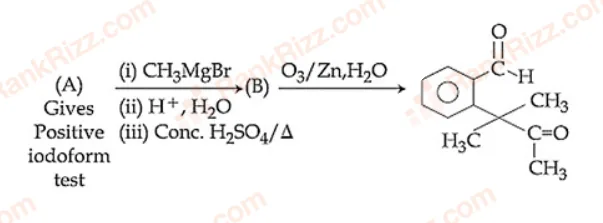
Identify (A) in the following reaction sequence:
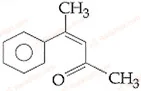
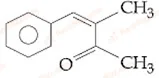
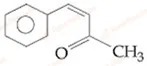
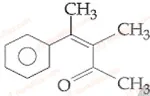
In the following reaction A is:
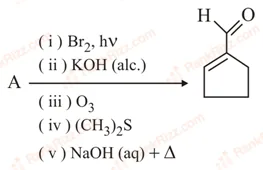


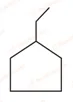
Consider the following reactions: . The mass percentage of carbon in A is ___________.
The major product(s) obtained in the following reaction is/are:

CHO and OHC-CHO
Major products of the following reaction are:
CHOH and HCOH
Compound A CHO shows positive iodoform test. Oxidation of A with KMnO/KOH gives acid B CHO. Anhydride of B is used for the preparation of phenolphthalein. Compound A is:
JEE Advanced has set 47 Aldehydes and Ketones questions too. Aldehydes and Ketones JEE Advanced PYQs →
OTHER CHEMISTRY CHAPTERS