RankRizz

Aldehydes and Ketones — JEE Main Previous Year Questions

Every Aldehydes and Ketones question JEE Main has set from 2004–2026, grouped by the idea it tests rather than the order of the syllabus. 214 questions across 5 distinct ideas. Free to read, answer key on every one.

DATA UPDATED

Questions

214

Distinct ideas

5

Share of marks

4.6%

Difficulty

HARD

The ideas inside Aldehydes and Ketones

A chapter is not one subject — it is a handful of procedures the examiner reuses. These are the ones Aldehydes and Ketones questions actually test.

Every Aldehydes and Ketones question

121–140 OF 214 · NEWEST FIRST

JEE MAIN 2021 · 27 AUG S1Nucleophilic addition reactions of carbonyl compounds

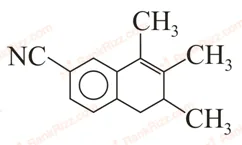
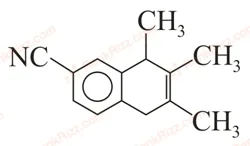
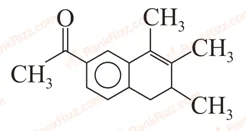
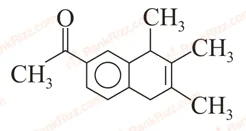
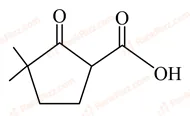
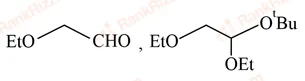
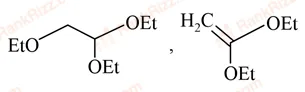
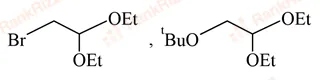
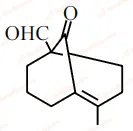
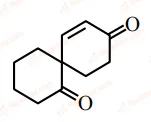
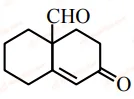
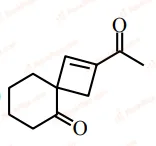
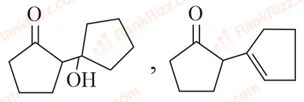
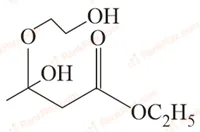
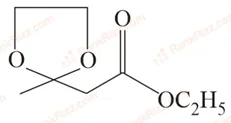
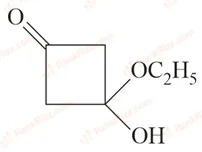
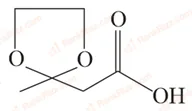
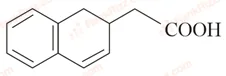
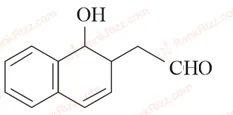
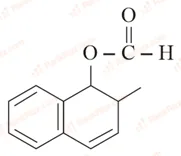
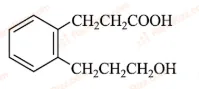
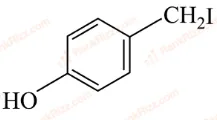
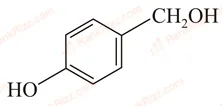
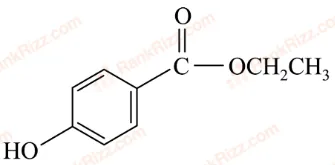
The structure of the starting compound P used in the reaction given below is:
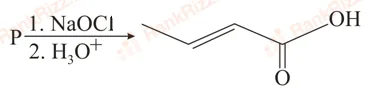
Figure for JEE Main 2021 Chemistry question on Nucleophilic addition reactions of carbonyl compounds
  1. A
    Figure for JEE Main 2021 Chemistry question on Nucleophilic addition reactions of carbonyl compounds
  2. B
    Figure for JEE Main 2021 Chemistry question on Nucleophilic addition reactions of carbonyl compounds
  3. C
    Figure for JEE Main 2021 Chemistry question on Nucleophilic addition reactions of carbonyl compounds
  4. D
    Figure for JEE Main 2021 Chemistry question on Nucleophilic addition reactions of carbonyl compounds
JEE MAIN 2021 · 27 AUG S2Nucleophilic addition reactions of carbonyl compounds

Which one of the following is the major product of the given reaction?
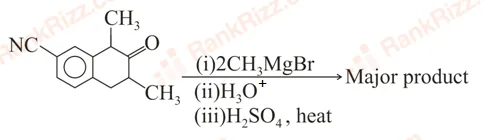
Figure for JEE Main 2021 Chemistry question on Nucleophilic addition reactions of carbonyl compounds
  1. A
    Figure for JEE Main 2021 Chemistry question on Nucleophilic addition reactions of carbonyl compounds
  2. B
    Figure for JEE Main 2021 Chemistry question on Nucleophilic addition reactions of carbonyl compounds
  3. C
    Figure for JEE Main 2021 Chemistry question on Nucleophilic addition reactions of carbonyl compounds
  4. D
    Figure for JEE Main 2021 Chemistry question on Nucleophilic addition reactions of carbonyl compounds
JEE MAIN 2021 · 26 AUG S1Nucleophilic addition reactions of carbonyl compounds

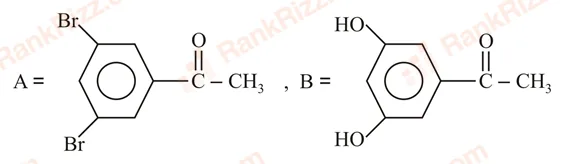
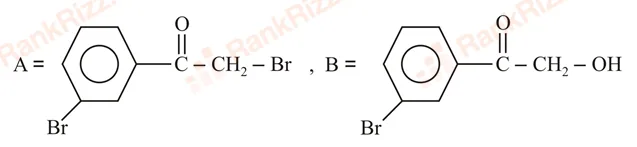
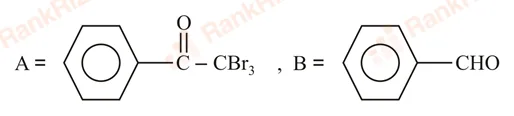
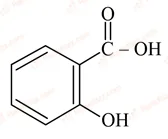
The major products formed in the following reaction sequence A and B are:
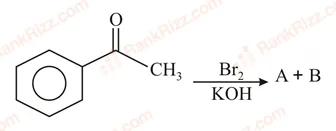
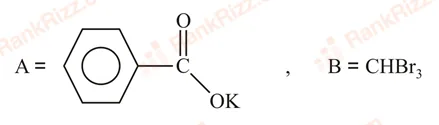
Figure for JEE Main 2021 Chemistry question on Nucleophilic addition reactions of carbonyl compounds

  1. A
    Figure for JEE Main 2021 Chemistry question on Nucleophilic addition reactions of carbonyl compounds
  2. B
    Figure for JEE Main 2021 Chemistry question on Nucleophilic addition reactions of carbonyl compounds
  3. C
    Figure for JEE Main 2021 Chemistry question on Nucleophilic addition reactions of carbonyl compounds
  4. D
    Figure for JEE Main 2021 Chemistry question on Nucleophilic addition reactions of carbonyl compounds
JEE MAIN 2021 · 27 JUL S1Distinguishing tests for aldehydes and ketones

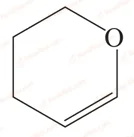
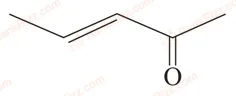
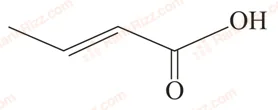
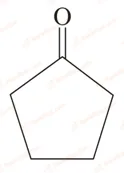
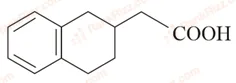
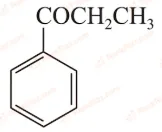
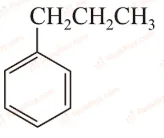
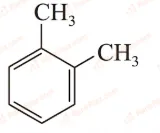
Which one of the following compounds will give orange precipitate when treated with 2,4-dinitrophenyl hydrazine?
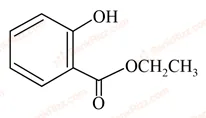
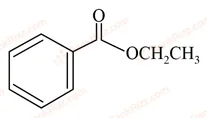
  1. A
    Figure for JEE Main 2021 Chemistry question on Distinguishing tests for aldehydes and ketones
  2. B
    Figure for JEE Main 2021 Chemistry question on Distinguishing tests for aldehydes and ketones
  3. C
    Figure for JEE Main 2021 Chemistry question on Distinguishing tests for aldehydes and ketones
  4. D
    Figure for JEE Main 2021 Chemistry question on Distinguishing tests for aldehydes and ketones
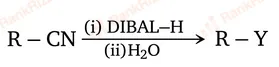
JEE MAIN 2021 · 27 JUL S2Preparation of aldehydes and ketones
Figure for JEE Main 2021 Chemistry question on Preparation of aldehydes and ketones


Consider the above reaction and identify "Y"
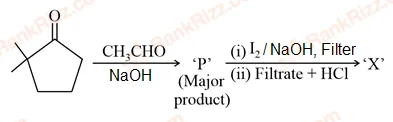
  1. A

    −CH2NH2-CH_2NH_2

  2. B

    −CONH2-CONH_2

  3. C

    −CHO-CHO

  4. D

    −COOH-COOH

JEE MAIN 2021 · 25 JUL S1Distinguishing tests for aldehydes and ketones
Figure for JEE Main 2021 Chemistry question on Distinguishing tests for aldehydes and ketones


Consider the given reaction, the product 'X' is:
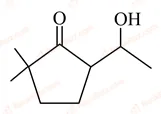
  1. A
    Figure for JEE Main 2021 Chemistry question on Distinguishing tests for aldehydes and ketones
  2. B
    Figure for JEE Main 2021 Chemistry question on Distinguishing tests for aldehydes and ketones
  3. C
    Figure for JEE Main 2021 Chemistry question on Distinguishing tests for aldehydes and ketones
  4. D
    Figure for JEE Main 2021 Chemistry question on Distinguishing tests for aldehydes and ketones
JEE MAIN 2021 · 25 JUL S2Nucleophilic addition reactions of carbonyl compounds
Figure for JEE Main 2021 Chemistry question on Nucleophilic addition reactions of carbonyl compounds


Consider the above reaction sequence, Product "A" and Product "B" formed respectively are:
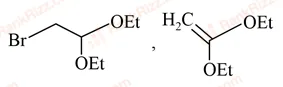
  1. A
    Figure for JEE Main 2021 Chemistry question on Nucleophilic addition reactions of carbonyl compounds
  2. B
    Figure for JEE Main 2021 Chemistry question on Nucleophilic addition reactions of carbonyl compounds
  3. C
    Figure for JEE Main 2021 Chemistry question on Nucleophilic addition reactions of carbonyl compounds
  4. D
    Figure for JEE Main 2021 Chemistry question on Nucleophilic addition reactions of carbonyl compounds
JEE MAIN 2021 · 20 JUL S1Distinguishing tests for aldehydes and ketones
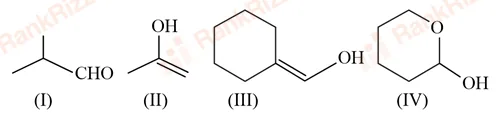
Figure for JEE Main 2021 Chemistry question on Distinguishing tests for aldehydes and ketones


Which among the above compound/s does/do not form Silver mirror when treated with Tollen's reagent?

  1. A

    (I), (III) and (IV) only

  2. B

    Only (IV)

  3. C

    Only (II)

  4. D

    (III) and (IV) only

JEE MAIN 2021 · 20 JUL S2Nucleophilic addition reactions of carbonyl compounds

The major product (P) in the following reaction is:
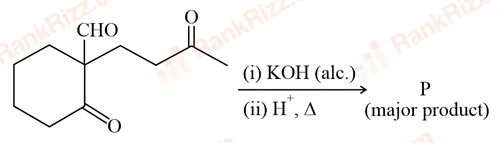
Figure for JEE Main 2021 Chemistry question on Nucleophilic addition reactions of carbonyl compounds
  1. A
    Figure for JEE Main 2021 Chemistry question on Nucleophilic addition reactions of carbonyl compounds
  2. B
    Figure for JEE Main 2021 Chemistry question on Nucleophilic addition reactions of carbonyl compounds
  3. C
    Figure for JEE Main 2021 Chemistry question on Nucleophilic addition reactions of carbonyl compounds
  4. D
    Figure for JEE Main 2021 Chemistry question on Nucleophilic addition reactions of carbonyl compounds
JEE MAIN 2021 · 18 MAR S2Nucleophilic addition reactions of carbonyl compounds
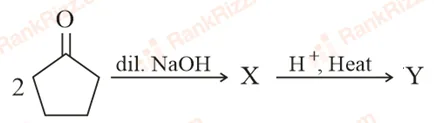
Figure for JEE Main 2021 Chemistry question on Nucleophilic addition reactions of carbonyl compounds


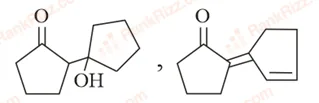
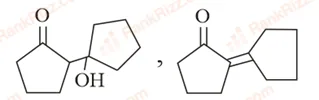
Consider the above reaction, the product X and Y respectively are :
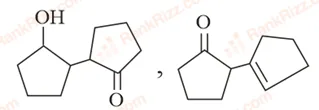
  1. A
    Figure for JEE Main 2021 Chemistry question on Nucleophilic addition reactions of carbonyl compounds
  2. B
    Figure for JEE Main 2021 Chemistry question on Nucleophilic addition reactions of carbonyl compounds
  3. C
    Figure for JEE Main 2021 Chemistry question on Nucleophilic addition reactions of carbonyl compounds
  4. D
    Figure for JEE Main 2021 Chemistry question on Nucleophilic addition reactions of carbonyl compounds
JEE MAIN 2021 · 18 MAR S2Distinguishing tests for aldehydes and ketones

In Tollen's test for aldehyde, the overall number of electron(s) transferred to the Tollen's reagent formula [Ag(NH3_3)2_2]+^+ per aldehyde group to form silver mirror is ___. (Round off to the Nearest integer)

JEE MAIN 2021 · 17 MAR S1Nucleophilic addition reactions of carbonyl compounds

The product "A" in the above reaction is:

Figure for JEE Main 2021 Chemistry question on Nucleophilic addition reactions of carbonyl compounds
  1. A
    Figure for JEE Main 2021 Chemistry question on Nucleophilic addition reactions of carbonyl compounds
  2. B
    Figure for JEE Main 2021 Chemistry question on Nucleophilic addition reactions of carbonyl compounds
  3. C
    Figure for JEE Main 2021 Chemistry question on Nucleophilic addition reactions of carbonyl compounds
  4. D
    Figure for JEE Main 2021 Chemistry question on Nucleophilic addition reactions of carbonyl compounds
JEE MAIN 2021 · 17 MAR S2Oxidation and reduction of carbonyl compounds

The total number of C-C sigma bond/s in mesityl oxide (C6H10OC_6H_{10}O) is ________ (Round off to the Nearest Integer).

JEE MAIN 2021 · 16 MAR S1Nucleophilic addition reactions of carbonyl compounds

Assertion A: Enol form of acetone [CH3COCH3CH_3COCH_3] exists in < 0.1% quantity. However, the enol form of acetyl acetone  [CH3COCH2OCCH3CH_3COCH_2OCCH_3] exists in approximately 15% quantity.
Reason R: enol form of acetyl acetone is stabilized by intramolecular hydrogen bonding, which is not possible in enol form of acetone.
Choose the correct statement:

  1. A

    A is false but R is true

  2. B

    Both A and R are true and R is the correct explanation of A

  3. C

    Both A and R are true but R is not the correct explanation of A

  4. D

    A is true but R is false

JEE MAIN 2021 · 16 MAR S1Nucleophilic addition reactions of carbonyl compounds

The product "P" in the above reaction is:
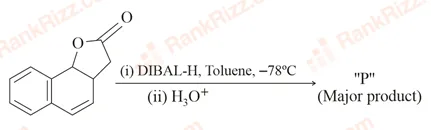
Figure for JEE Main 2021 Chemistry question on Nucleophilic addition reactions of carbonyl compounds
  1. A
    Figure for JEE Main 2021 Chemistry question on Nucleophilic addition reactions of carbonyl compounds
  2. B
    Figure for JEE Main 2021 Chemistry question on Nucleophilic addition reactions of carbonyl compounds
  3. C
    Figure for JEE Main 2021 Chemistry question on Nucleophilic addition reactions of carbonyl compounds
  4. D
    Figure for JEE Main 2021 Chemistry question on Nucleophilic addition reactions of carbonyl compounds
JEE MAIN 2021 · 26 FEB S2Nucleophilic addition reactions of carbonyl compounds

Considering the above reaction, the major product among the following is:
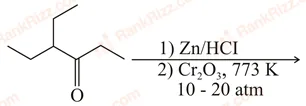
Figure for JEE Main 2021 Chemistry question on Nucleophilic addition reactions of carbonyl compounds
  1. A
    Figure for JEE Main 2021 Chemistry question on Nucleophilic addition reactions of carbonyl compounds
  2. B
    Figure for JEE Main 2021 Chemistry question on Nucleophilic addition reactions of carbonyl compounds
  3. C
    Figure for JEE Main 2021 Chemistry question on Nucleophilic addition reactions of carbonyl compounds
  4. D
    Figure for JEE Main 2021 Chemistry question on Nucleophilic addition reactions of carbonyl compounds
JEE MAIN 2021 · 26 FEB S2Distinguishing tests for aldehydes and ketones

2, 4-DNP test can be used to identify:

  1. A

    aldehyde

  2. B

    amine

  3. C

    halogens

  4. D

    ether

JEE MAIN 2021 · 26 FEB S2Nucleophilic addition reactions of carbonyl compounds

Identify A in the given chemical reaction.
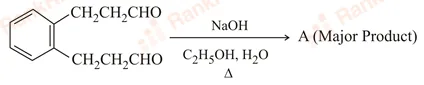
Figure for JEE Main 2021 Chemistry question on Nucleophilic addition reactions of carbonyl compounds
  1. A
    Figure for JEE Main 2021 Chemistry question on Nucleophilic addition reactions of carbonyl compounds
  2. B
    Figure for JEE Main 2021 Chemistry question on Nucleophilic addition reactions of carbonyl compounds
  3. C
    Figure for JEE Main 2021 Chemistry question on Nucleophilic addition reactions of carbonyl compounds
  4. D
    Figure for JEE Main 2021 Chemistry question on Nucleophilic addition reactions of carbonyl compounds
JEE MAIN 2021 · 26 FEB S2Nucleophilic addition reactions of carbonyl compounds

Identify A in the following chemical reaction.
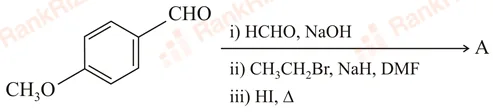
Figure for JEE Main 2021 Chemistry question on Nucleophilic addition reactions of carbonyl compounds
  1. A
    Figure for JEE Main 2021 Chemistry question on Nucleophilic addition reactions of carbonyl compounds
  2. B
    Figure for JEE Main 2021 Chemistry question on Nucleophilic addition reactions of carbonyl compounds
  3. C
    Figure for JEE Main 2021 Chemistry question on Nucleophilic addition reactions of carbonyl compounds
  4. D
    Figure for JEE Main 2021 Chemistry question on Nucleophilic addition reactions of carbonyl compounds
JEE MAIN 2021 · 25 FEB S1Preparation of aldehydes and ketones

Which one of the following reactions will not form acetaldehyde?

  1. A

    CH3CH2OH→CrO3−H2SO4CH_3CH_2OH \xrightarrow{CrO_3-H_2SO_4}

  2. B

    CH2=CH2+O2→H2OPd(II)/Cu(II)CH_2 = CH_2 + O_2 \xrightarrow[H_2O]{Pd(II)/Cu(II) }

  3. C

    CH3CN→(ii)H2O(i)DIBAL−HCH_3CN \xrightarrow[(ii) H_2O]{(i) DIBAL-H } >

  4. D

    CH3CH2OH→573KCuCH_3CH_2OH \xrightarrow[573K]{Cu} >