JEE MAIN 2022 · 25 JUN S2Reactions and tests of amines
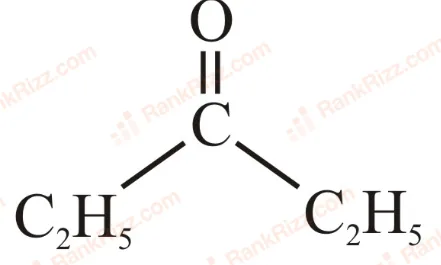
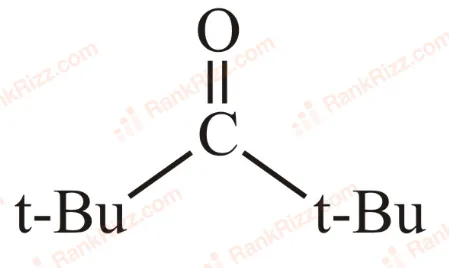
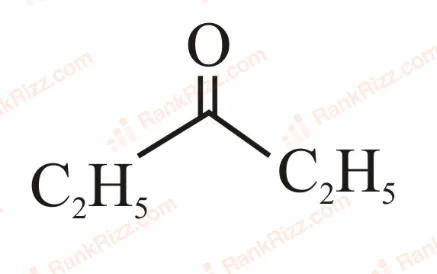
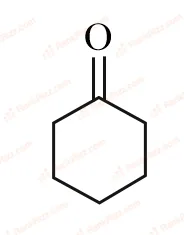
Which of the following ketone will NOT give enamine on treatment with secondary amines? [where t-Bu is ]
- A
- B
- C
- D
Every Amines and Nitrogen-Containing Compounds question JEE Main has set from 2004–2026, grouped by the idea it tests rather than the order of the syllabus. 243 questions across 6 distinct ideas. Free to read, answer key on every one.
DATA UPDATED
Questions
243
Distinct ideas
6
Share of marks
5.1%
Difficulty
HARD
A chapter is not one subject — it is a handful of procedures the examiner reuses. These are the ones Amines and Nitrogen-Containing Compounds questions actually test.
121–140 OF 243 · NEWEST FIRST
Which of the following ketone will NOT give enamine on treatment with secondary amines? [where t-Bu is ]
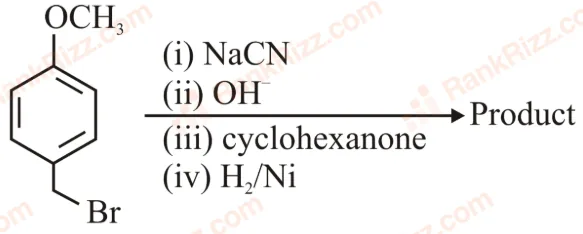
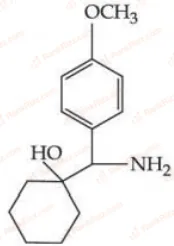
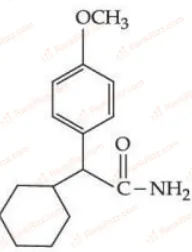
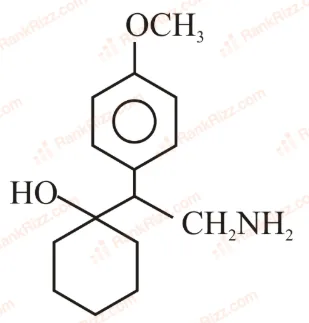
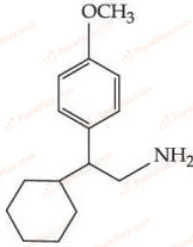
The major product of the above reactions is
The conversion of propan-1-ol to n-butylamine involves the sequential addition of reagents. The correct sequential order of reagents is
(i) (ii) KCN (iii) ,
(i) HCl (ii) ,
(i) (ii) KCN (iii)
(i) HCl (ii)
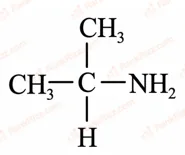
Which one of the following gives the most stable Diazonium salt?
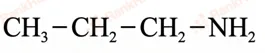
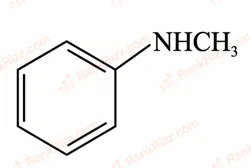
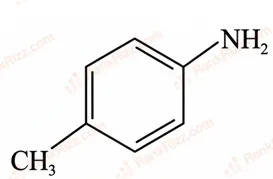
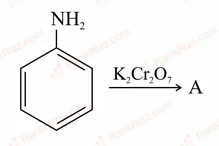
Identify A in the following reaction.
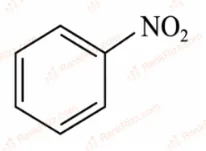
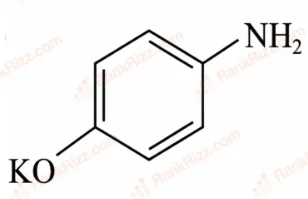
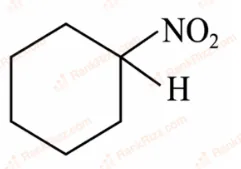
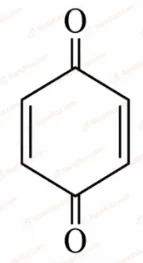
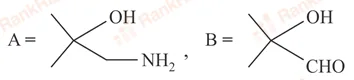
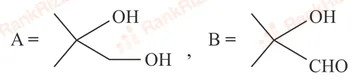
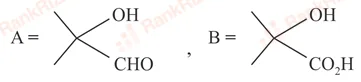
The major products A and B in the following set of reactions are:
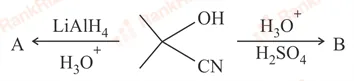
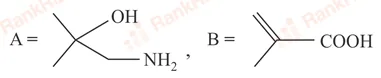
The total number of reagents from those given below, that can convert nitrobenzene into aniline is _________. (Integer answer)
I. Sn - HCl
II. Sn - NHOH
III. Fe - HCl
IV. Zn - HCl
V. H - Pd
VI. H - Raney Nickel
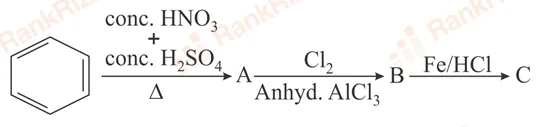
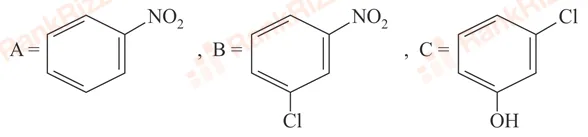
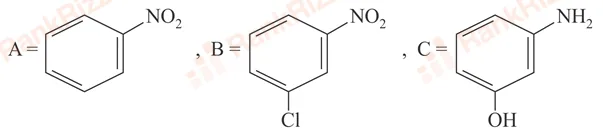
Identify correct A, B and C in the reaction sequence given below:


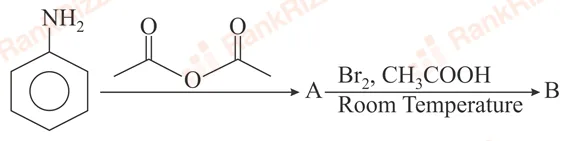
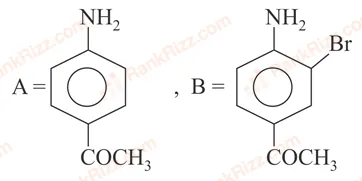
The major products A and B formed in the following reaction sequence are:
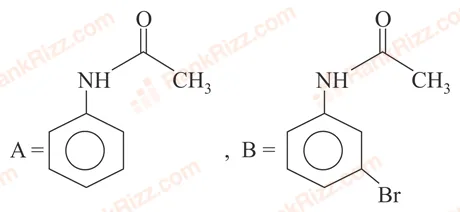
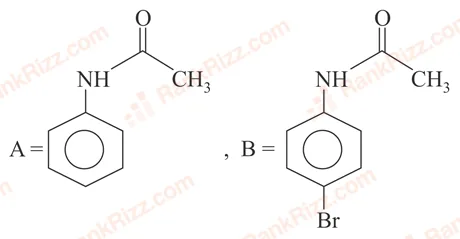
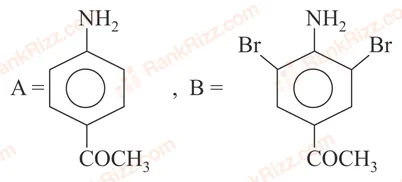
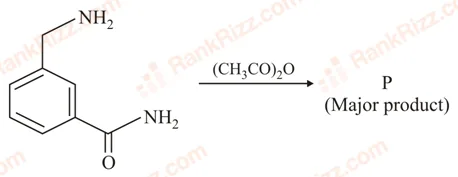
The major product of the following reaction is:
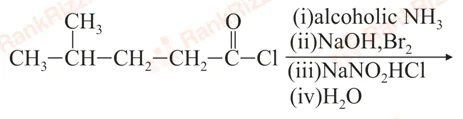
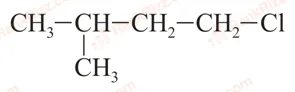
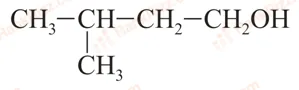
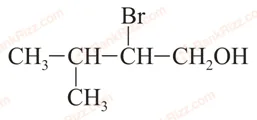
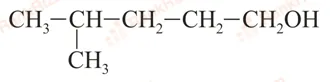
Which of the following is not a correct statement for primary aliphatic amines?
Primary amines can be prepared by the Gabriel phthalimide synthesis.
Primary amines are less basic than the secondary amines.
The intermolecular association in primary amines is less than the intermolecular association in secondary amines.
Primary amines on treating with nitrous acid solution form corresponding alcohols except methyl amine.
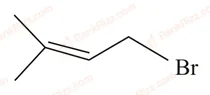
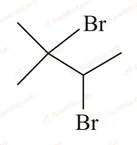
The correct structures of A and B formed in the following reactions are:
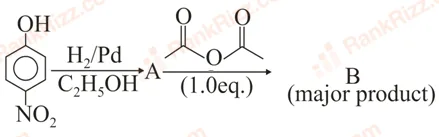
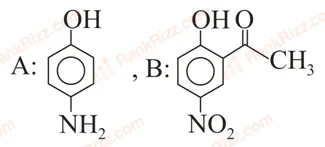
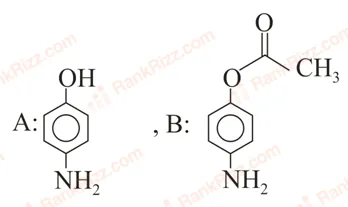
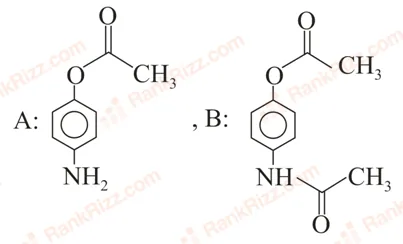
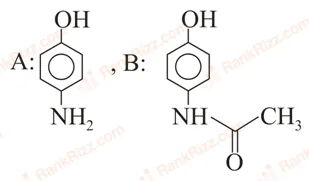
The major product formed in the following reaction is:
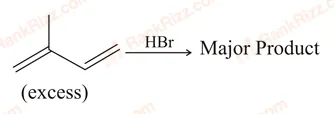
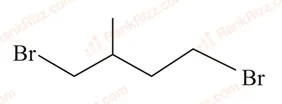
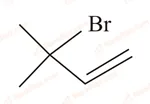

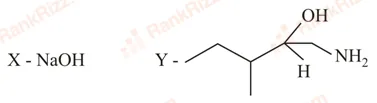
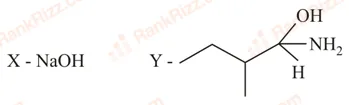
Consider the given reaction, Identify X and Y:
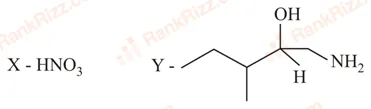
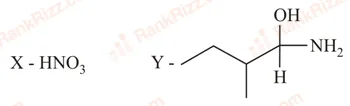
Match List - I with List - II:
List - I (Chemical Reaction) List - II (Reagent used)
a. CHCOOCHCH CHCHOH i. CHMgBr/HO (one equivalent)
b. CHCOOCH CHCHO ii. HSO/HO
c. CHCN CHCHO iii. DIBAL-H/HO
d. iv. SnCl, HCl/HO
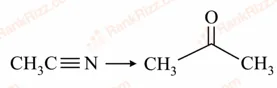
Choose the most appropriate match:
(a)-(ii), (b)-(iii), (c)-(iv), (d)-(i)
(a)-(ii), (b)-(iv), (c)-(iii), (d)-(i)
(a)-(iii), (b)-(ii), (c)-(i), (d)-(iv)
(a)-(iv), (b)-(ii), (c)-(iii), (d)-(i)
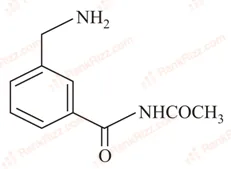
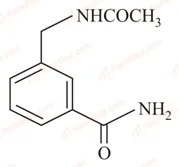
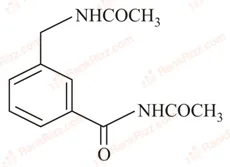
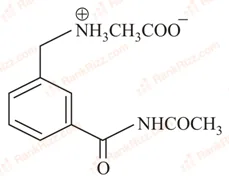
Given below are two statements:
Statement I : Aniline is less basic than acetamide.
Statement II : In aniline, the lone pair of electrons on nitrogen atom is delocalised over benzene ring due to resonance and hence less available to a proton.
Choose the most appropriate option:
Statement I is true but statement II is false.
Statement I is false but statement II is true.
Both statement I and statement II are true.
Both statement I and statement II are false.
The correct sequence of correct reagents for the following transformation is:-
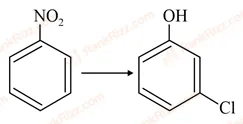
(i) Fe, HCl
(ii) Cl, HCl
(iii) NaNO, HCl, 0°C
(iv) HO/H
(i) Fe, HCl
(ii) NaNO, HCl, 0°C
(iii) HO/H
(iv) Cl, FeCl
(i) Cl, FeCl
(ii) Fe, HCl
(iii) NaNO, HCl, 0°C
(iv) HO/H
(i) Cl, FeCl
(ii) NaNO, HCl, 0°C
(iii) Fe, HCl
(iv) HO/H
What is A in the following reaction?
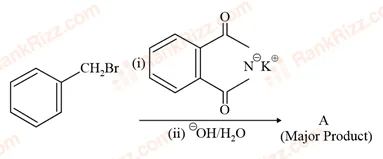
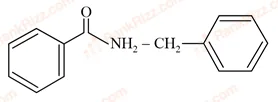
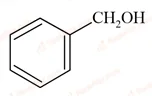
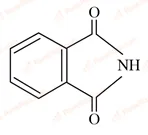
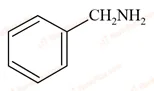
Given below are two statements, one is labelled as Assertion (A) and other is labelled as Reason (R).
Assertion (R) : Gabriel phthalimide synthesis cannot be used to prepare aromatic primary amines.
Reason : Aryl halides do not undergo nucleophilic substitution reaction.
In the light of the above statements, choose the correct answer from the options given below:
Both (A) and (R) true but (R) is not the correct explanation of (A).
(A) is false but (R) is true.
Both (A) and (R) true and (R) is correct explanation of (A).
(A) is true but (R) is false.
JEE Advanced has set 29 Amines and Nitrogen-Containing Compounds questions too. Amines and Nitrogen-Containing Compounds JEE Advanced PYQs →
OTHER CHEMISTRY CHAPTERS