JEE MAIN 2022 · 26 JUL S2Reactions of phenols
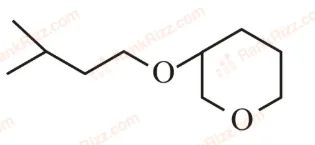
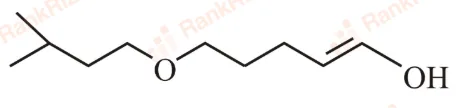
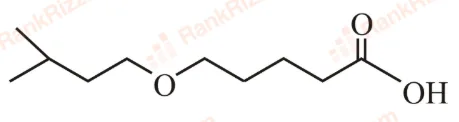
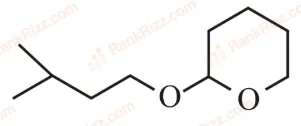
Hydrolysis of which compound will give carbolic acid?
- A
Cumene
- B
Benzenediazonium chloride
- C
Benzal chloride
- D
Ethylene glycol ketal
Every Alcohols, Phenols and Ethers question JEE Main has set from 2004–2026, grouped by the idea it tests rather than the order of the syllabus. 182 questions across 5 distinct ideas. Free to read, answer key on every one.
DATA UPDATED
Questions
182
Distinct ideas
5
Share of marks
2.8%
Difficulty
MEDIUM
A chapter is not one subject — it is a handful of procedures the examiner reuses. These are the ones Alcohols, Phenols and Ethers questions actually test.
81–100 OF 182 · NEWEST FIRST
Hydrolysis of which compound will give carbolic acid?
Cumene
Benzenediazonium chloride
Benzal chloride
Ethylene glycol ketal
Most stable product of the following reaction is
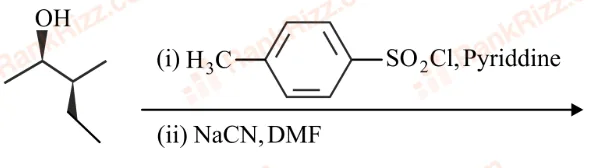
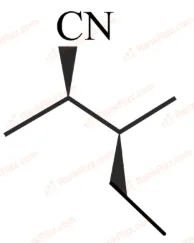
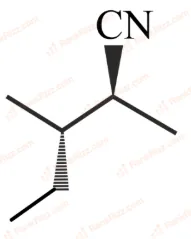
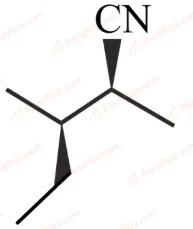
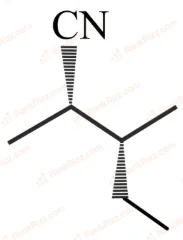
Given below are two statements:
Statement I: On heating with , glycerol is dehydrated and acrolein is formed.
Statement II: Acrolein has fruity odour and can be used to test glycerol's presence.
Choose the correct option.
Both Statement I and Statement II are correct
Both Statement I and Statement II are incorrect
Statement I is correct but Statement II is incorrect
Statement I is incorrect but Statement II is correct
Given below are two statements.
Statement I: Phenols are weakly acidic carboxylic acid.
Statement II: Therefore they are freely soluble in NaOH solution and are weaker acids than alcohols and water.
Choose the most appropriate option
Both Statement I and Statement II are correct.
Statement I is correct but Statement II is incorrect.
Statement I is incorrect but Statement II is correct.
Both Statement I and Statement II are incorrect.
The number of chiral alcohol(s) with molecular formula CHO is ______ (Assume stereoisomers as different chiral alcohols)
In the given reaction
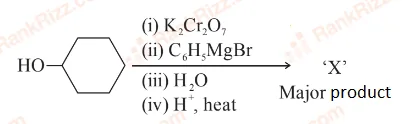
the number of sp hybridised carbon (s) in compound 'X' is ______.
The major product P of the given reaction is (where, Me is CH)
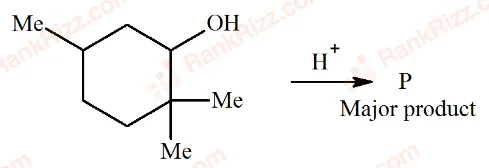
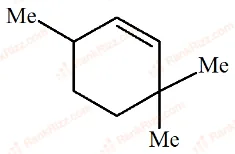
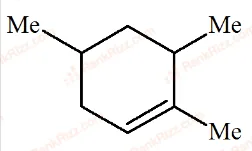
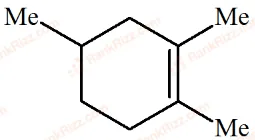
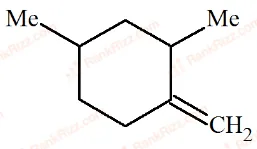
Match List-I with List-II
List - I List - II
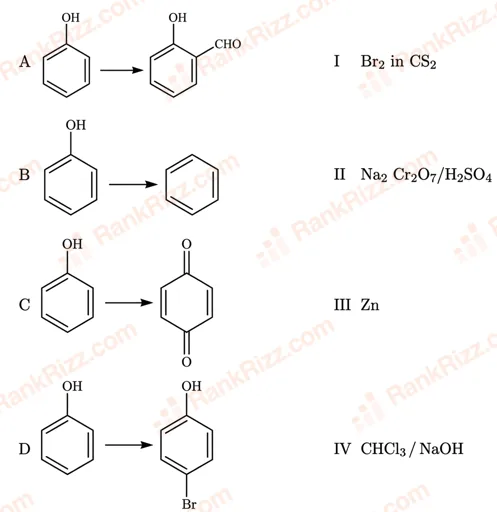
A - IV, B - III, C - II, D - I
A - IV, B - III, C - I, D - II
A - II, B - III, C - I, D - IV
A - IV, B - II, C - III, D - I

Consider the following reaction sequence and identify the product B.
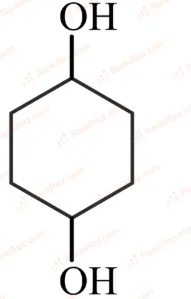
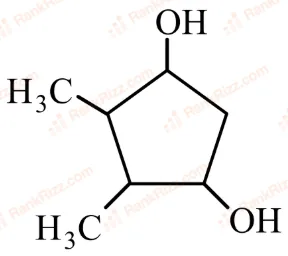
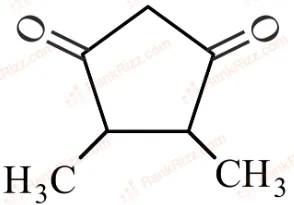
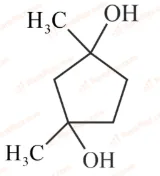
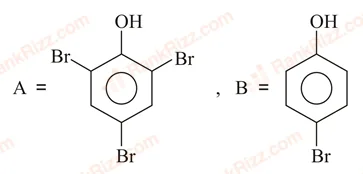
Compound 'P' on nitration with dil. yields two isomers (A) and (B). These isomers can be separated by steam distillations. Isomers (A) and (B) show the intramolecular and intermolecular hydrogen bonding respectively. Compound (P) on reaction with conc. yields a yellow compound 'C', a strong acid. The number of oxygen atoms is present in compound 'C'
The intermediate X, in the reaction
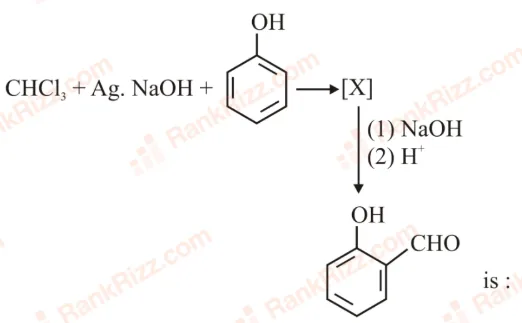
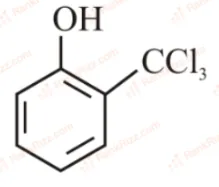
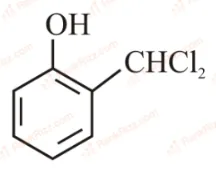
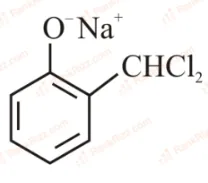
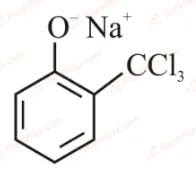
In the following reaction :
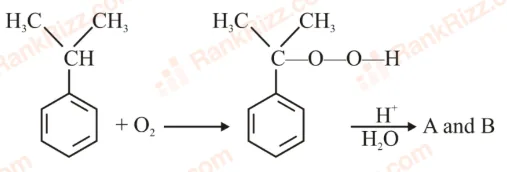
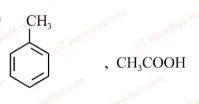
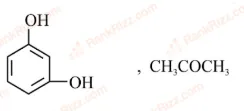
The compounds A and B respectively are
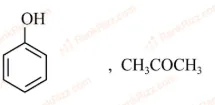
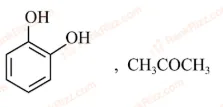
In the given reaction
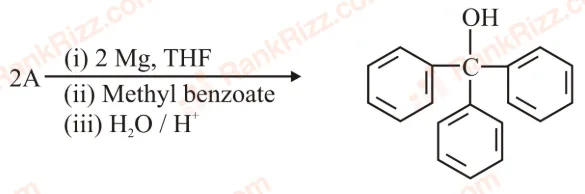
'A' can be
benzyl bromide
bromobenzene
cyclohexyl bromide
methyl bromide
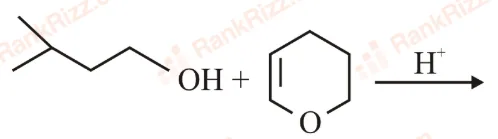
The major product formed in the following reaction, is
Given below are two statements : one is labelled as Assertion (A) and the other is labelled as Reason (R).
Assertion (A): Treatment of bromine water with propene yields 1-bromopropan-2-ol.
Reason (R): Attack of water on bromonium ion follows Markovnikov rule and results in 1-bromopropan-2-ol.
In the light of the above statements, choose the most appropriate answer from the options given below:
Both (A) and (R) are true but (R) is NOT the correct explanation of (A).
(A) is false but (R) is true.
Both (A) and (R) are true and (R) is the correct explanation of (A).
(A) is true but (R) is false.
The major product formed in the following reaction is:
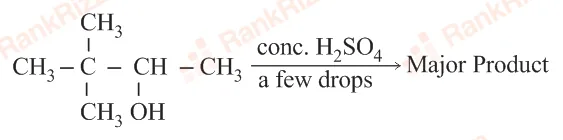
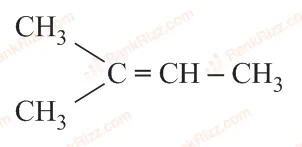
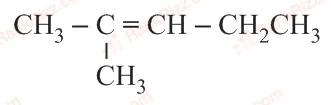
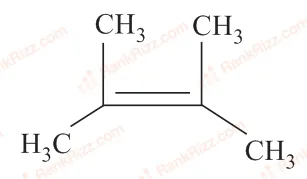
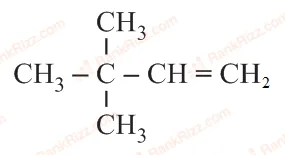
Given below are two statements : one is labelled as Assertion (A) and the other is labelled as Reason (R).
Assertion (A) : Synthesis of ethyl phenyl ether may be achieved by Williamson synthesis.
Reason (R): Reaction of bromobenzene with sodium ethoxide yields ethyl phenyl ether.
In the light of the above statements, choose the most appropriate answer from the options given below.
Both (A) and (R) are correct but (R) is NOT the correct explanation of (A)
(A) is correct but (R) is not correct
(A) is not correct but (R) is correct
Both (A) and (R) are correct and (R) is the correct explanation of (A)
In the following sequence of reactions, the final product D is:

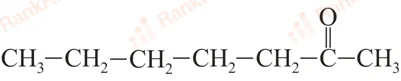


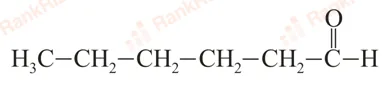
The major product of the following reaction, if it occurs by S2 mechanism is:
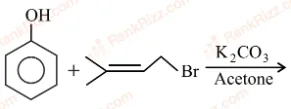
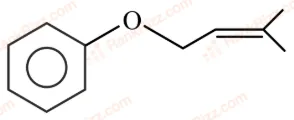
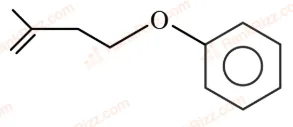
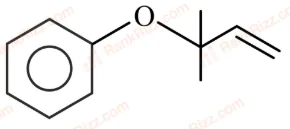
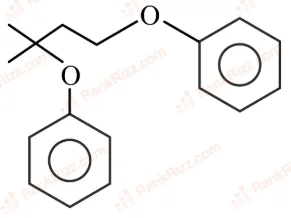
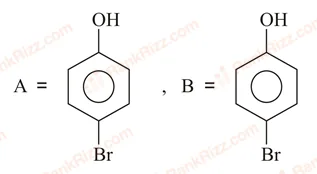
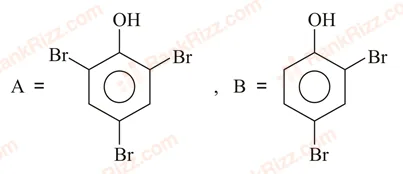
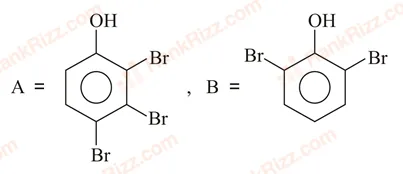
The correct options for the products A and B of the following reactions are: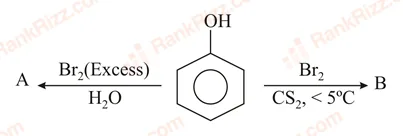
JEE Advanced has set 21 Alcohols, Phenols and Ethers questions too. Alcohols, Phenols and Ethers JEE Advanced PYQs →
OTHER CHEMISTRY CHAPTERS