JEE MAIN 2022 · 28 JUN S1Nucleophilic substitution (SN1 and SN2)
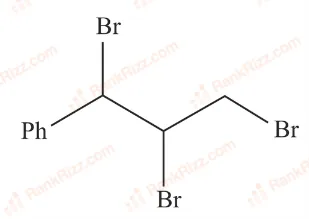
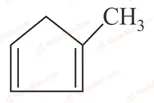
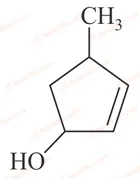
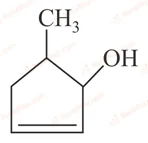
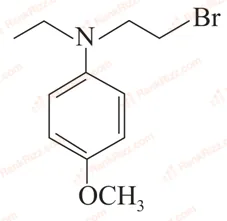
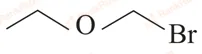
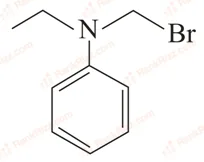
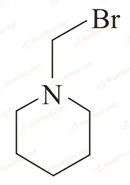
The major product (P) in the reaction

- A
- B
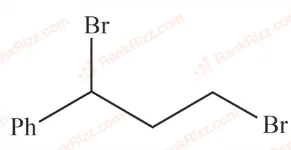
- C
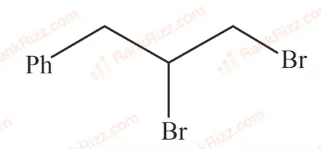
- D
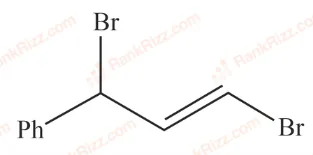
Nucleophilic substitution (SN1 and SN2) has been asked 128 times in JEE Main, in 20 different years between 2005 and 2026, and in all of the last five exam years (2022–2026), 64 questions in all. That is 68% of Haloalkanes and Haloarenes, its most-asked topic. Last asked in JEE Main 08 Apr 2026, Shift 2. 122 are multiple choice and 6 numerical-value; 22 easy, 91 medium and 4 hard by our difficulty labels. All of them are below, newest first, free to read.
Questions
128
Years asked
20
Since
2005
Of the chapter
68%
61–80 OF 128 · NEWEST FIRST
The major product (P) in the reaction
Which one of the following compounds is inactive towards reaction?
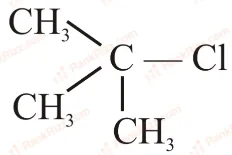
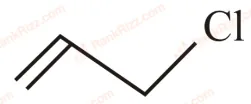
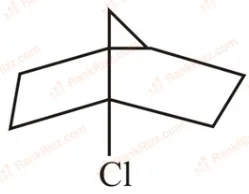
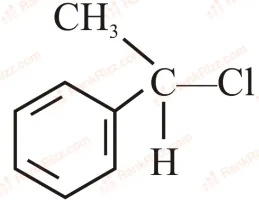
The major product in the reaction
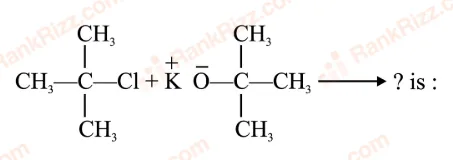
-Butyl ethyl ether
2-Methyl pent-1-ene
2, 2-Dimethyl butane
2-Methyl prop-1-ene
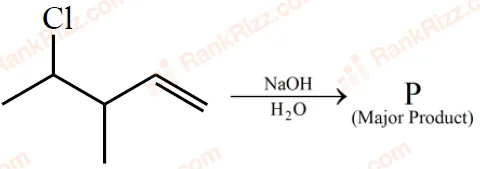
Consider the above reaction. The number of electrons present in the product 'P' is ______
The correct order of reactivity of the given chlorides with acetate in acetic acid is:
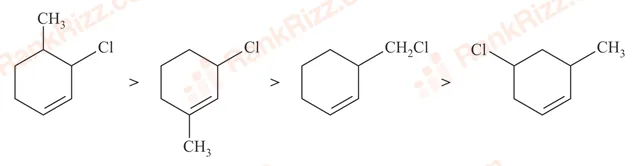
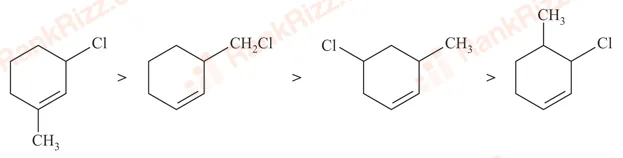
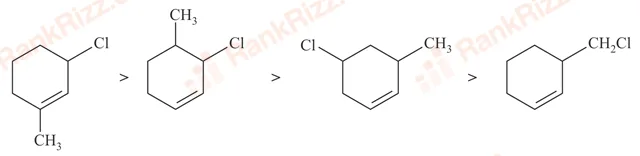
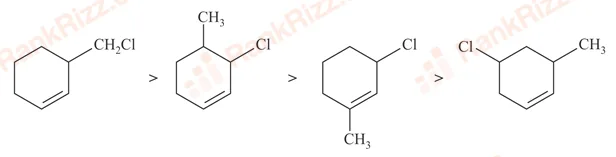
The major product of the following reaction is:
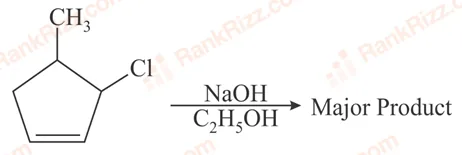
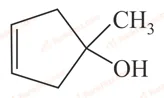
In the following sequence of reactions the P is:
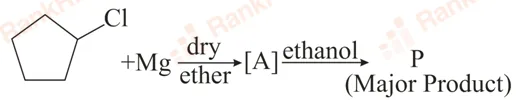
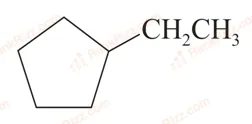
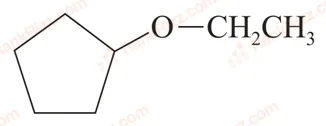
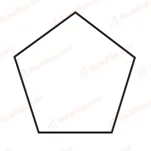
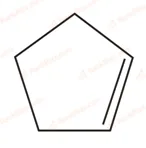
The major product (A) formed in the reaction given below is:
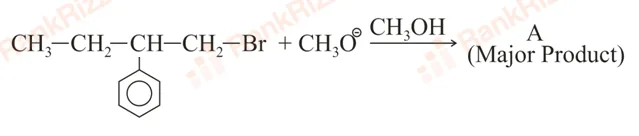
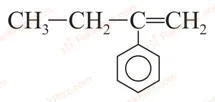
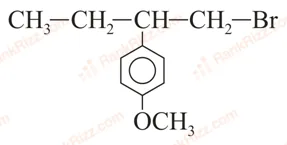
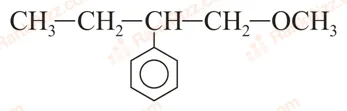
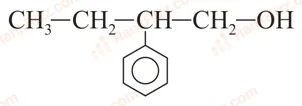
A chloro compound "A".
(i) forms aldehydes on ozonolysis followed by the hydrolysis.
(ii) when vaporized completely 1.53 g of A, gives 448 mL of vapour at STP. The number of carbon atoms in a molecule of compound A is _________
The correct pair(s) of the ambident nucleophiles is (are):
(A) AgCN / KCN
(B) RCOOAg / RCOOK
(C) AgNO / KNO
(D) AgI / KI
(B) and (C) only
(A) only
(A) and (C) only
(B) only
The product "A" and "B" formed in below reactions are:
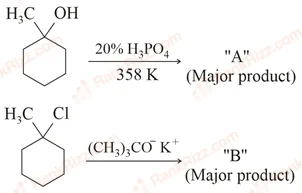
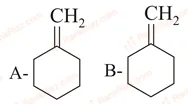
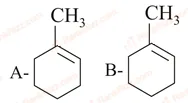
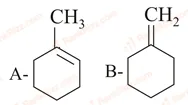
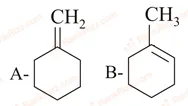
Identify A and B in the chemical reaction.
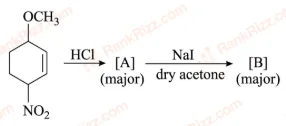
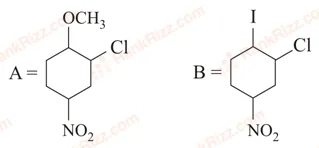
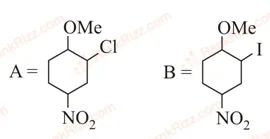
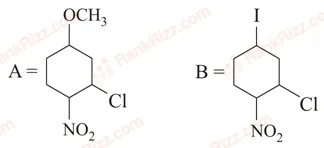
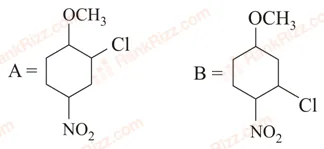
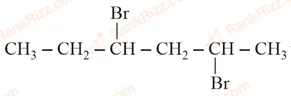
The product formed in the first step of the reaction with excess Mg / EtO / Et = is
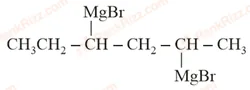

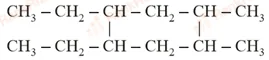
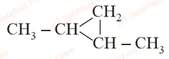
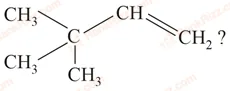
What is the major product formed by HI on reaction with the above compound?
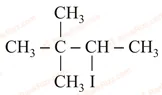
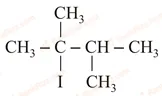
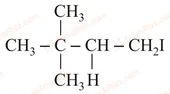
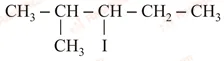
The increasing order of the boiling points of the major products A, B and C of the following reactions will be:
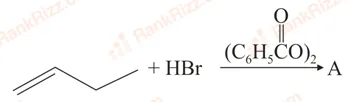
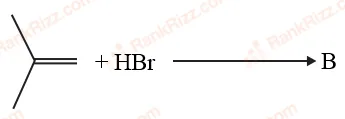
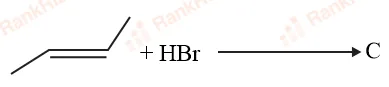
The major product formed in the following reaction is:
The decreasing order of reactivity of the following organic molecules towards AgNO solution is:
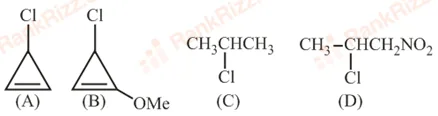
(C) > (D) > (A) > (B)
(A) > (B) > (D) > (C)
(A) > (B) > (C) > (D)
(B) > (A) > (C) > (D)
Which of the following compounds will form the precipitate with aq. AgNO solution most readily?
Among the following compounds, which one has the shortest C-Cl bond?
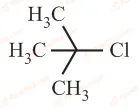
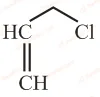
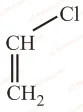
The mechanism of Sn1 reaction is given as:
Ion pair Solvent separated ion pair
A student writes general characteristics based on the given mechanism as:
(a) The reaction is favoured by weak nucleophiles.
(b) would be easily formed if the substituents are bulky
(c) The reaction is accompanied by racemization
(d) The reaction is favoured by non-polar solvents.
Which observations are correct?
(a) and (b)
(a) and (c)
(a), (b) and (c)
(b) and (d)
RELATED HALOALKANES AND HALOARENES TOPICS