JEE MAIN 2023 · 24 JAN S1Haloarenes
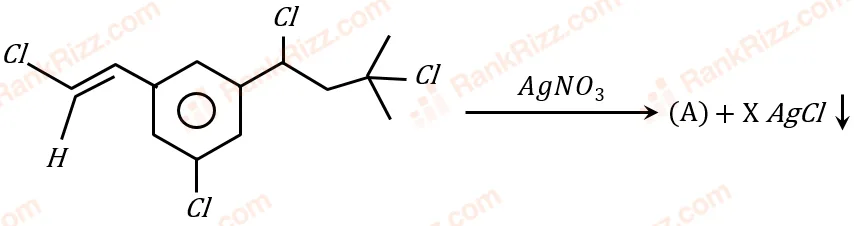
Number of moles of AgCl formed in the following reaction is _____.
Haloarenes has been asked 48 times in JEE Main, in 12 different years between 2006 and 2026, and in all of the last five exam years (2022–2026), 28 questions in all. That is 26% of Haloalkanes and Haloarenes, one of its three most-asked topics. Last asked in JEE Main 06 Apr 2026, Shift 1. 44 are multiple choice and 4 numerical-value; 8 easy, 38 medium and 1 hard by our difficulty labels. All of them are below, newest first, free to read.
Questions
48
Years asked
12
Since
2006
Of the chapter
26%
21–40 OF 48 · NEWEST FIRST
Number of moles of AgCl formed in the following reaction is _____.
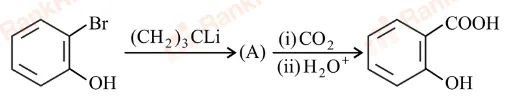
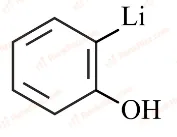
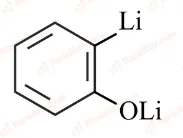
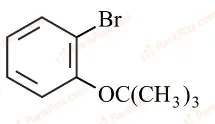
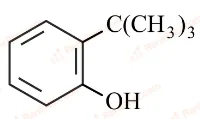
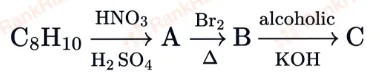
In the given conversion the compound A is:
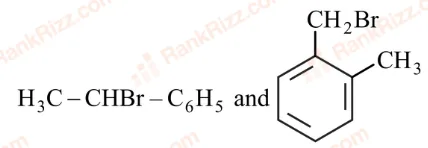
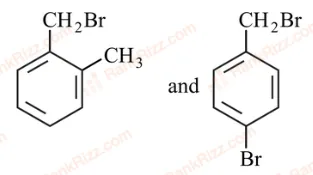
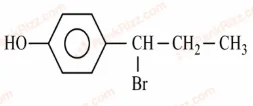
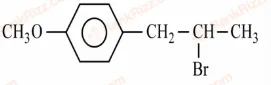
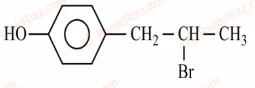
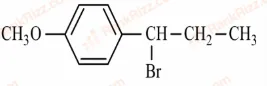
Two isomers (A) and (B) with Molar mass 184 g/mol and elemental composition C, 52.2%; H, 49% and Br 42.9% gave benzoic acid and p-bromobenzoic acid, respectively on oxidation with KMnO. Isomer 'A' is optically active and gives a pale yellow precipitate when warmed with alcoholic AgNO. Isomer 'A' and 'B' are, respectively:
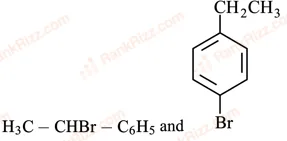
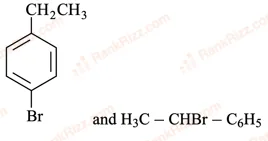
Consider the following reaction,

What is A in the above reaction?
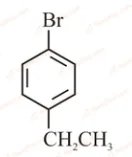
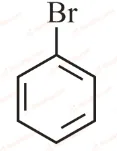
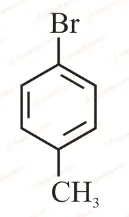
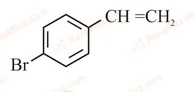
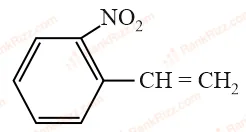
The major product of the following reaction contains ______ bromine atom(s).
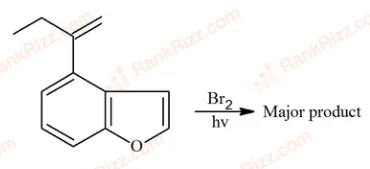
The major product of the following reaction is
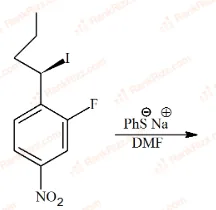
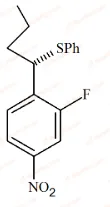
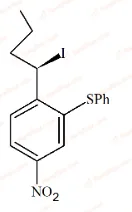
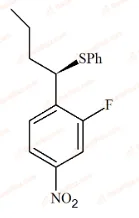
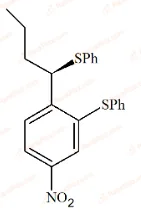
Halogenation of which one of the following will yield m-substituted product with respect to methyl group as a major product?
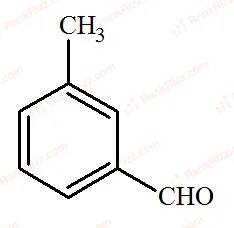
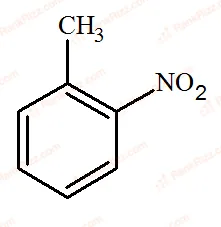
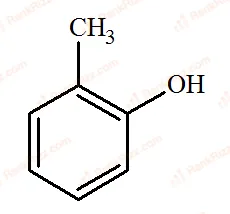
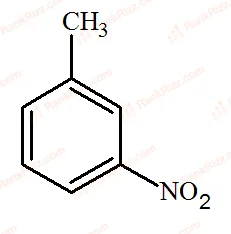
In the given reaction sequence, the major product 'C' is :
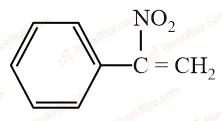
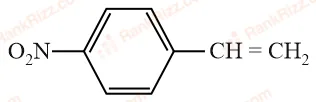
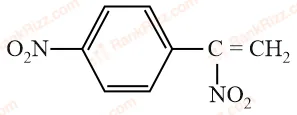
Among the following compounds I - IV, which one forms a yellow precipitate on reacting sequentially with
(i) NaOH (ii) dil. HNO (iii) AgNO
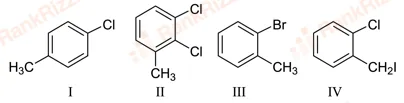
III
II
I
IV
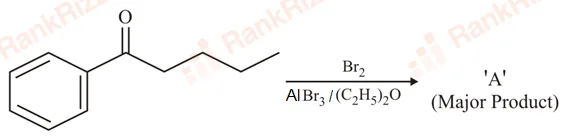
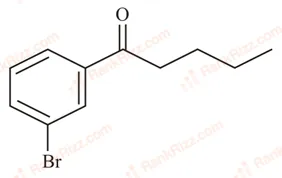
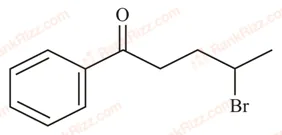
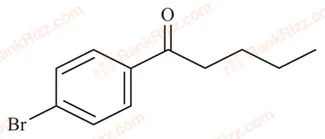
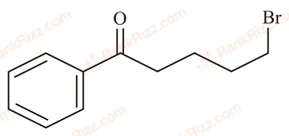
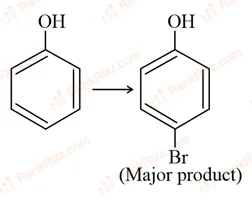
The given reaction can occur in the presence of:
(a) Bromine water
(b) in , 273 K
(c)
(d) in , 273 K
Choose the correct answer from the options given below:
(b) and (d) only
(a) and (c) only
(b), (c) and (d) only
(a), (b) and (d) only
The correct decreasing order of densities of the following compounds is:
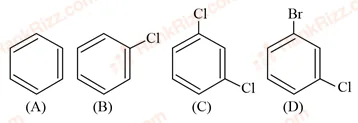
(D) > (C) > (B) > (A)
(C) > (D) > (A) > (B)
(C) > (B) > (A) > (D)
(A) > (B) > (C) > (D)
Given below are two statements :
Statement I : CHOH and AgCN both can generate nucleophile.
Statement II : KCN and AgCN both will generate nitrile nucleophile with all reaction conditions.
Choose the most appropriate option :
Statement I is true but statement II is false
Both statement I and statement II are true
Statement I is false but statement II is true
Both statement I and statement II are false
The above reaction requires which of the following reaction conditions?
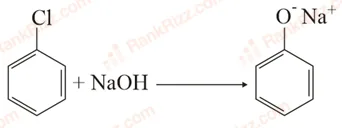
573 K, Cu, 300 atm
623 K, Cu, 300 atm
573 K, 300 atm
623 K, 300 atm
Match List-I with List-II.
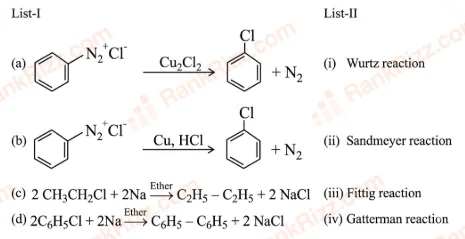
Choose the correct answer from the options given below :
(a)(iii), (b)(iv), (c)(i), (d)(ii)
(a)(ii), (b)(i), (c)(iv), (d)(iii)
(a)(iii), (b)(i), (c)(iv), (d)(ii)
(a)(ii), (b)(iv), (c)(i), (d)(iii)
The correct order of the following compounds showing increasing tendency towards nucleophilic substitution reaction is:
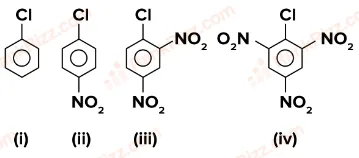
(iv) < (i) < (ii) < (iii)
(i) < (ii) < (iii) < (iv)
(iv) < (i) < (iii) < (ii)
(iv) < (iii) < (ii) < (i)
Which of these will produce the highest yield Friedel Crafts reaction?

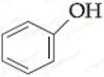

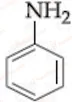
Consider the following reactions:
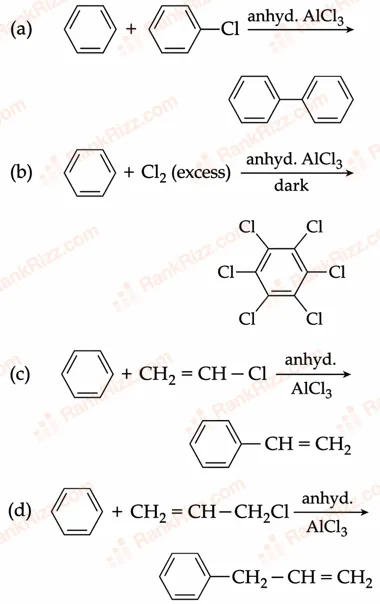
Which of these reactions are possible?
(a) and (b)
(a) and (d)
(b), (c) and (d)
(b) and (d)
The major product of the following reaction is:
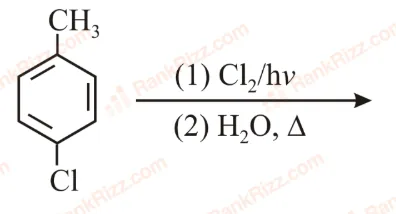
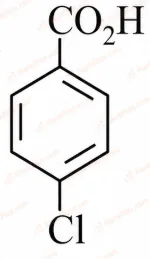
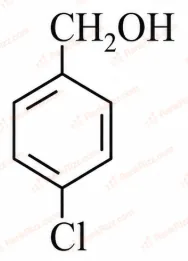
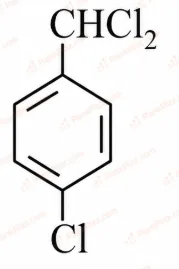
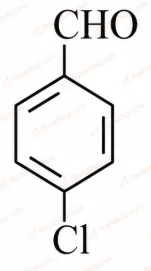
The major product in the following conversion is:

RELATED HALOALKANES AND HALOARENES TOPICS