JEE MAIN 2024 · 30 JAN S2Reactive intermediates and rearrangements
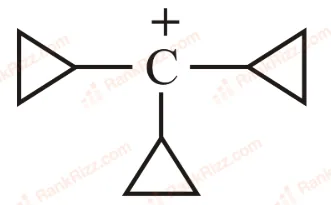
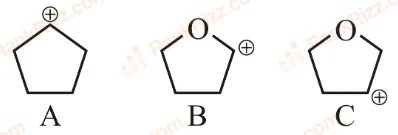
The correct stability order of carbocations is
- A
- B
- C
- D
Reactive intermediates and rearrangements has been asked 36 times in JEE Main, in 11 different years between 2005 and 2026, and in all of the last five exam years (2022–2026), 28 questions in all. That is 14% of General Organic Chemistry, one of its three most-asked topics. Last asked in JEE Main 08 Apr 2026, Shift 2. 35 are multiple choice and 1 numerical-value; 11 easy and 19 medium by our difficulty labels. All of them are below, newest first, free to read.
Questions
36
Years asked
11
Since
2005
Of the chapter
14%
21–36 OF 36 · NEWEST FIRST
The correct stability order of carbocations is
The order of relative stability of the contributing structures is :
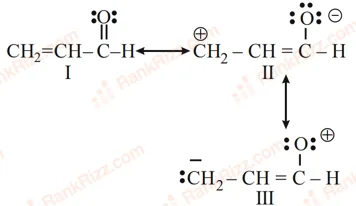
Choose the correct answer from the options given below:
I > II > III
II > I > III
I = II = III
III > II > I
The decreasing order of hydride affinity for following carbocations is:
(a)
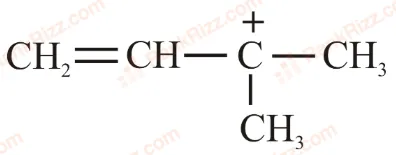
(b)
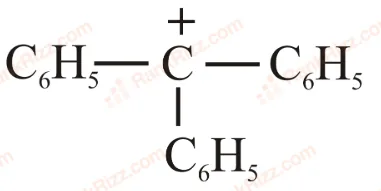
(c)
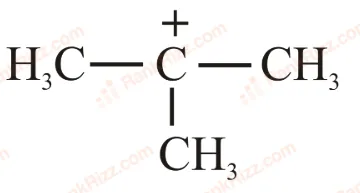
(d)
Choose the correct answer from the options given below:
C, A, D, B
C, A, B, D
A, C, D, B
A, C, B, D
The most stable carbocation for the following is:
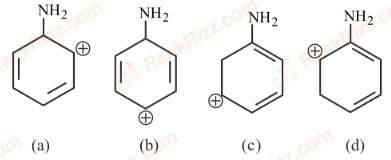
c
d
b
a
Increasing order of stability of the resonance structure is:
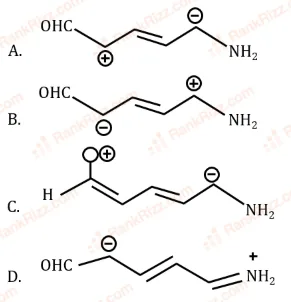
C, D, B, A
C, A, B, D
D, C, A, B
D, C, B, A
Increasing order of stability of the resonance structure is:
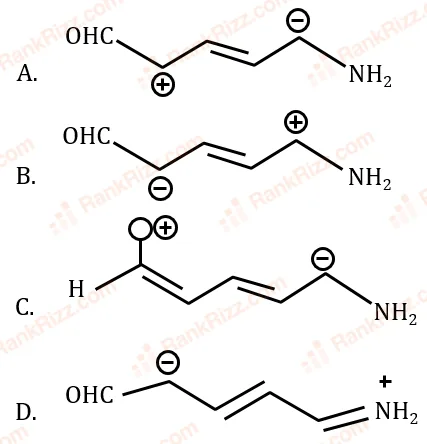
C, D, B, A
C, A, B, D
D, C, A, B
D, C, B, A
Which of the following carbocations is most stable?
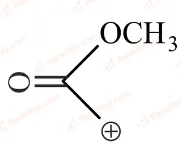
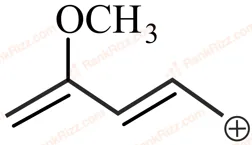
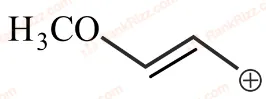
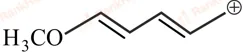
Arrange the following carbocations in decreasing order of stability.
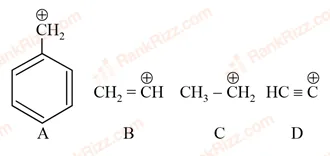
The correct order of stability of given carbocation is:
A > C > B > D
D > B > C > A
D > B > A > C
C > A > D > B
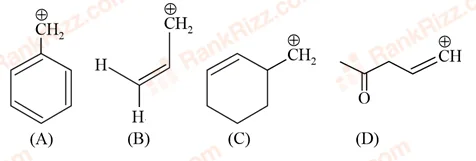
Among the given species the Resonance stabilised carbocations are:
(C) and (D) only
(A), (B) and (D) only
(A) and (B) only
(A), (B) and (C) only
In which of the following pairs is A more stable than B?
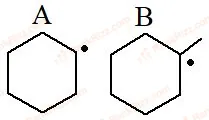
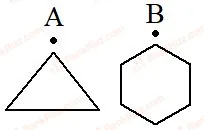
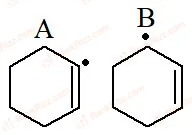
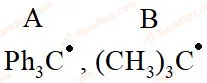
Which one of the following is most stable?
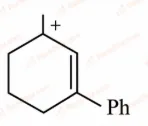
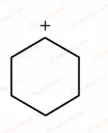
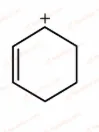
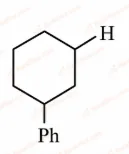
The order of stability of the following carbocations:
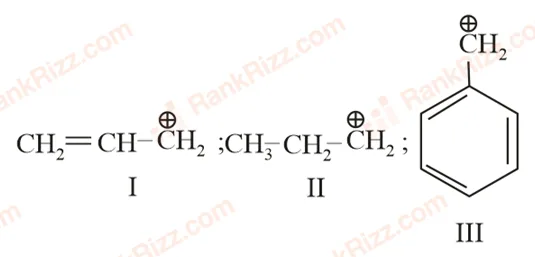
I > II > III
III > I > II
III > II > I
II > III > I
Arrange the carbanions, , in order of their decreasing stability :
The increasing order of stability of the following free radicals is
Due to the presence of an unpaired electron, free radicals are:
Chemically reactive
Chemically inactive
Anions
Cations