JEE MAIN 2023 · 24 JAN S1Nucleophilic addition reactions of carbonyl compounds
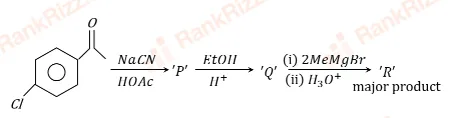
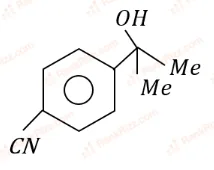
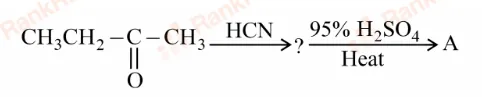
'R' formed in the following sequence of reaction is:
- A
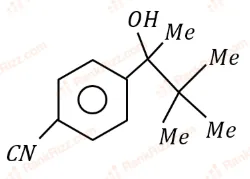
- B
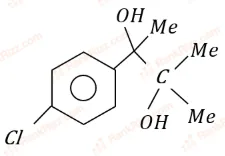
- C
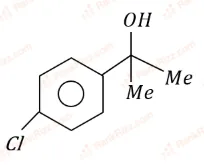
- D
Nucleophilic addition reactions of carbonyl compounds has been asked 138 times in JEE Main, in 17 different years between 2005 and 2026, and in all of the last five exam years (2022–2026), 77 questions in all. That is 64% of Aldehydes and Ketones, its most-asked topic. Last asked in JEE Main 08 Apr 2026, Shift 2. 125 are multiple choice and 13 numerical-value; 21 easy, 103 medium and 8 hard by our difficulty labels. All of them are below, newest first, free to read.
Questions
138
Years asked
17
Since
2005
Of the chapter
64%
61–80 OF 138 · NEWEST FIRST
'R' formed in the following sequence of reaction is:
'R' formed in the following sequence of reaction is:
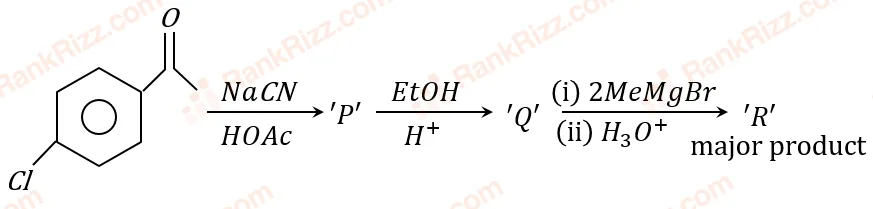
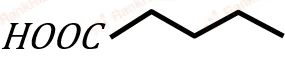
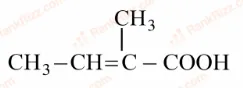
Option 1 (see figure)
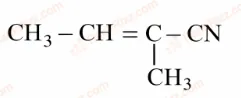
Option 2 (see figure)
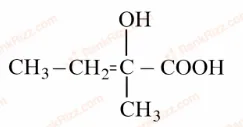
Option 3 (see figure)
Option 4 (see figure)
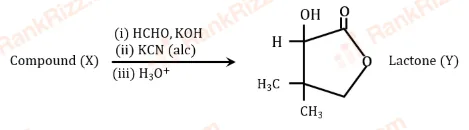
Compound X undergoes following sequence of reactions to give the Lactone Y.
Given below are two statements:
Statement I:
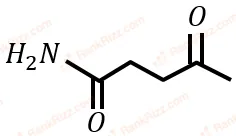
under Clemmensen reduction conditions will give
Statement II:
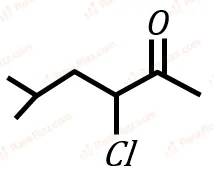
under Wolff-Kishner reduction condition will give
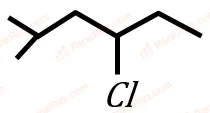
In the light of the above statements, choose the correct answer from the options given below:
Statement I is false but Statement II is true
Both Statement I and Statement II are false
Statement I is true but Statement II is false
Both Statement I and Statement II are true
Consider the above reaction sequence, the Product 'C' is
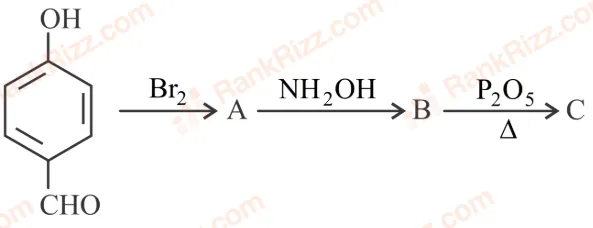
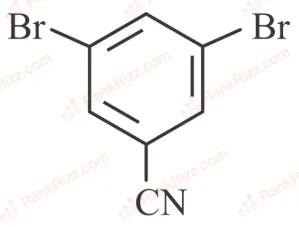
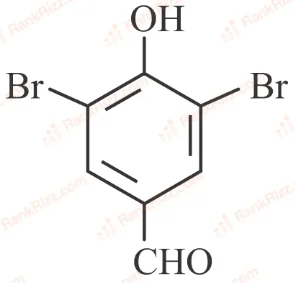
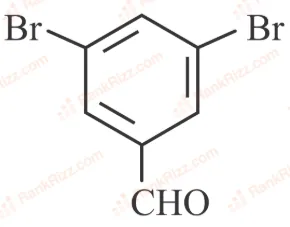
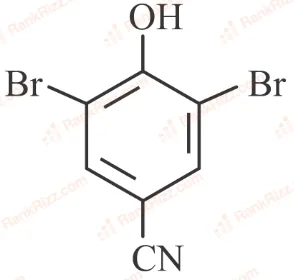
Correct structure of -methylcyclohexane carbaldehyde is
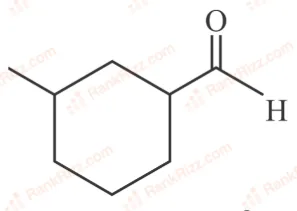
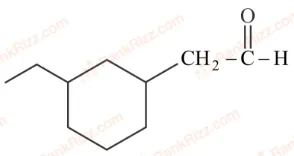
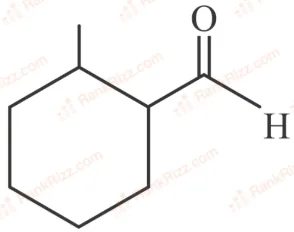
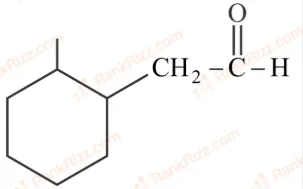
The number of stereoisomers formed in a reaction of with HCN is
The structure of A in the given reaction is
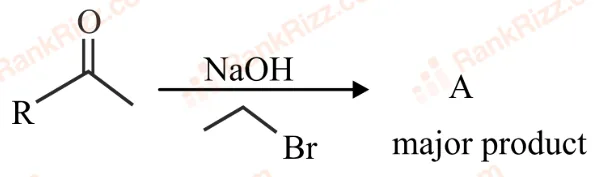
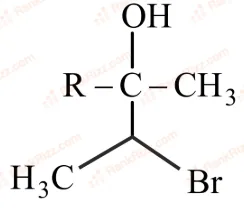
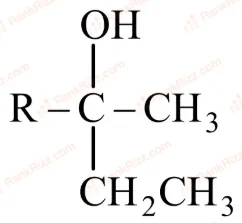
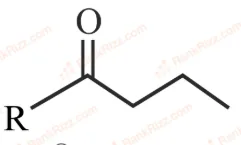
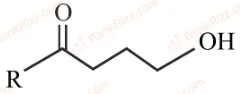

Consider the above reaction and predict the major product.
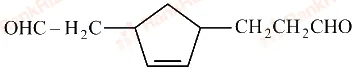
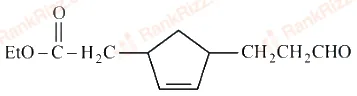
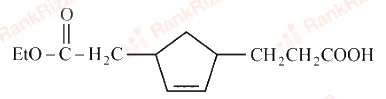
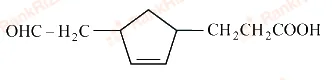
In the given reaction
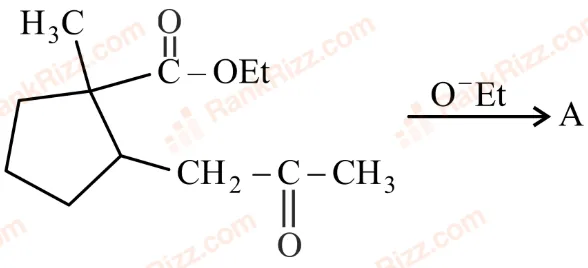
(Where Et is )
The number of chiral carbon(s) in product A is ______.
What is the major product of the following reaction?
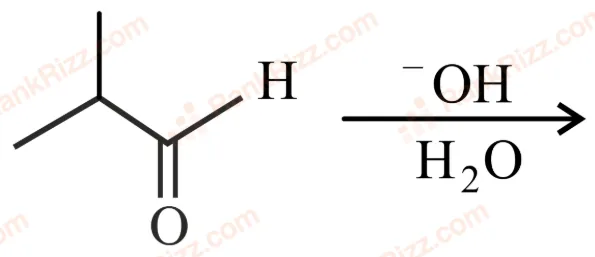
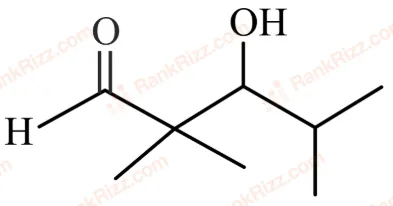
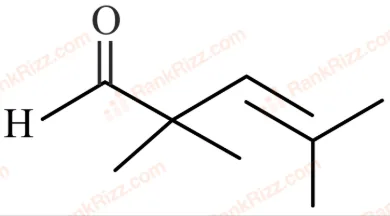
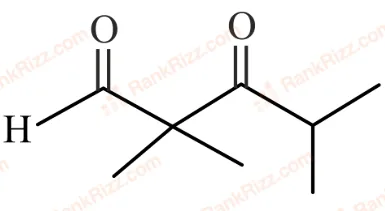
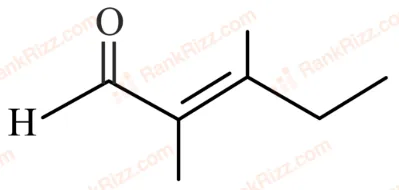
In the given reaction,
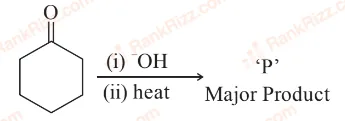
The number of electrons present in the product 'P' is ______.
The correct structure of product 'A' formed in the following reaction,

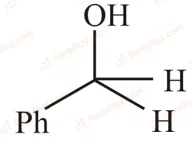
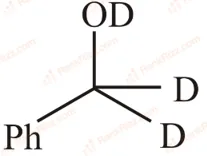
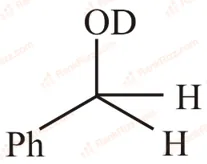
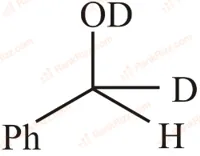
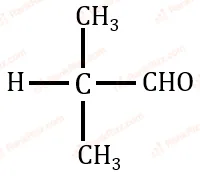
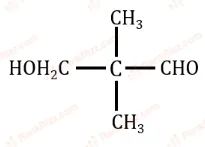
Isobutyraldehyde on reaction with formaldehyde and KCO gives compound 'A'. Compound 'A' reacts with KCN and yields compound 'B', which on hydrolysis gives a stable compound 'C'. The compound 'C' is
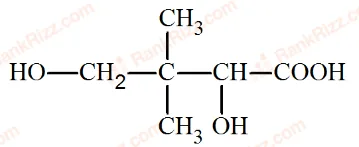
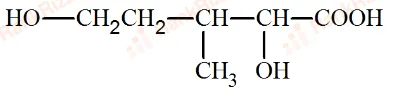
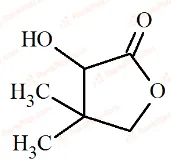
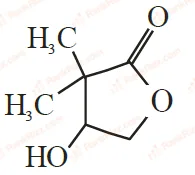
Which will have the highest enol content?
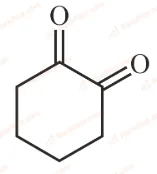
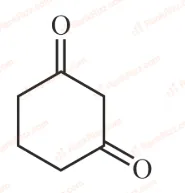
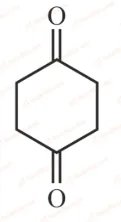
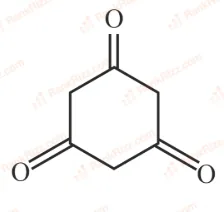
The final product 'A' in the following reaction sequence
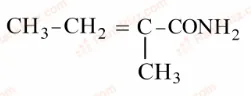
Hex-4-ene-2-ol on treatment with PCC gives 'A'. 'A' on reaction with sodium hypoiodite gives 'B', which on further heating with soda lime gives 'C'. The compound 'C' is
2-pentene
proponaldehyde
2-butene
4-methylpent-2-ene
Experimentally reducing a functional group cannot be done by which one of the following reagents?
Zn / HO
Pt - C / H
Pd - C / H
Na / H
Given below are two statements:
Statement I : The nucleophilic addition of sodium hydrogen sulphite to an aldehyde or a ketone involves proton transfer to form a stable ion.
Statement II : The nucleophilic addition of hydrogen cyanide to an aldehyde or a ketone yields amine as final product.
In the light of the above statements, choose the most appropriate answer from the options given below:
Both Statement I and Statement II are false.
Both Statement I and Statement II are true.
Statement I is false but Statement II is true.
Statement I is true but Statement II is false.
For the reaction given below:
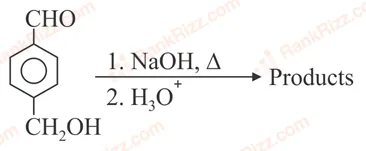
The compound which is not formed as a product in the reaction is a:
diol
monocarboxylic acid
compound with both alcohol and acid functional groups
dicarboxylic acid