JEE MAIN 2026 · 02 APR S1Detection of functional groups
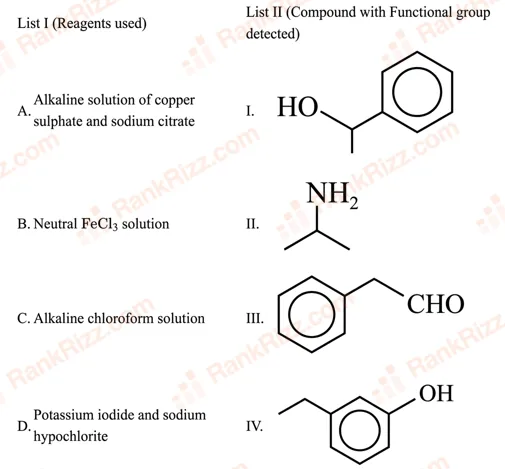
Match List - I with List - II.
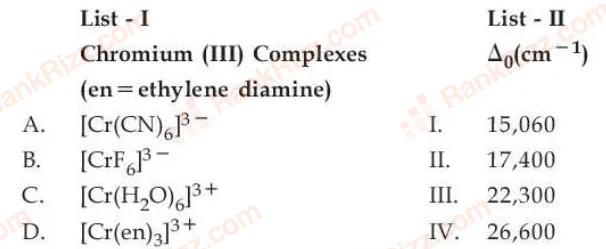
Choose the correct answer from the options given below :
- A
A-I, B-II, C-III, D-IV
- B
A-II, B-III, C-IV, D-I
- C
A-III, B-IV, C-I, D-II
- D
A-IV, B-I, C-II, D-III
Detection of functional groups has been asked 18 times in JEE Main, in 10 different years between 2011 and 2026, and in all of the last five exam years (2022–2026), 11 questions in all. That is 45% of Principles Related to Practical Chemistry, its most-asked topic. Last asked in JEE Main 02 Apr 2026, Shift 1. 15 are multiple choice and 3 numerical-value; 8 easy and 6 medium by our difficulty labels. All of them are below, newest first, free to read.
Questions
18
Years asked
10
Since
2011
Of the chapter
45%
Questions on Detection of functional groups in every year it was asked, newest first.
| Year | Relative frequency | Questions |
|---|---|---|
| 2026 | 3 | |
| 2025 | 1 | |
| 2024 | 2 | |
| 2023 | 4 | |
| 2022 | 1 | |
| 2021 | 3 | |
| 2020 | 1 | |
| 2019 | 1 | |
| 2018 | 1 | |
| 2011 | 1 | |
| Total | 18 |
1–18 OF 18 · NEWEST FIRST
Match List - I with List - II.
Choose the correct answer from the options given below :
A-I, B-II, C-III, D-IV
A-II, B-III, C-IV, D-I
A-III, B-IV, C-I, D-II
A-IV, B-I, C-II, D-III
0.53 g of an organic compound (x) when heated with excess of nitric acid ( concentrated) and then with silver nitrate gave 0. 75 g of silver bromide precipitate. 1.0 g of (x) gave 1.32 g of gas on combustion. The percentage of hydrogen in the compound (x) is __ %. [Nearest Integer]
[Given: Molar mass in g H : 1, C : 12, Br: 80, Ag: 108, O : 16 ; Compound (x) :]
Match List - I with List - II.
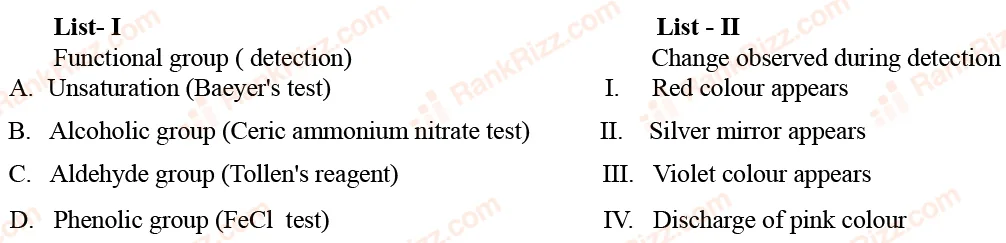
choose the correct answer from the options given below :
A-IV, B-III, C-II, D-I
A-IV, B-I, C-II, D-III
A-III, B-IV, C-II, D-I
A-III, B-IV, C-I, D_II
Match the LIST-I with LIST-II.
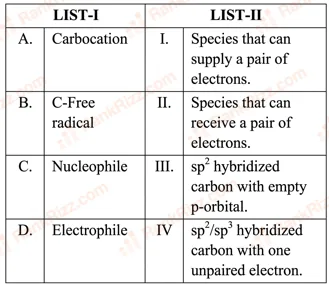
Choose the correct answer from the options given below :
A-IV, B-II, C-III, D-I
A-II, B-III, C-I, D-IV
A-III, B-IV, C-II, D-I
A-III, B-IV, C-I, D-II
Match List I with List II:
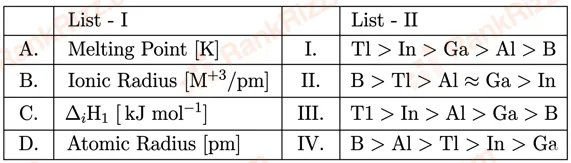
Choose the correct answer from the options given below:
A-II, B-III, C-IV, D-I
A-IV, B-I, C-II, D-III
A-I, B-II, C-III, D-IV
A-III, B-IV, C-I, D-II
Phenolic group can be identified by a positive:
Phthalein dye test
Lucas test
Tollen's test
Carbylamine test
Match List I with List II:
A-III, B-IV, C-I, D-II
A-III, B-IV, C-II, D-I
A-IV, B-I, C-II, D-III
A-II, B-IV, C-I, D-III
A compound 'X' when treated with phthalic anhydride in presence of concentrated HSO yields 'Y'. 'Y' is used as an acid/base indicator. 'X' and 'Y' are respectively
Anisole, methyl orange
Salicylaldehyde, Phenolphthalein
Toludine, Phenolphthalein
Carbolic acid, Phenolphthalein
Match List I and List II
(A) Molisch's Test (I) Peptide
(B) Biuret Test (II) Carbohydrate
(C) Carbylamine Test (III) Primary amine
(D) Schiff's Test (IV) Aldehyde
(A)-I, (B)-II, (C)-III, (D)-IV
(A)-III, (B)-IV, (C)-I, (D)-II
(A)-II, (B)-I, (C)-III, (D)-IV
(A)-III, (B)-IV, (C)-II, (D)-I
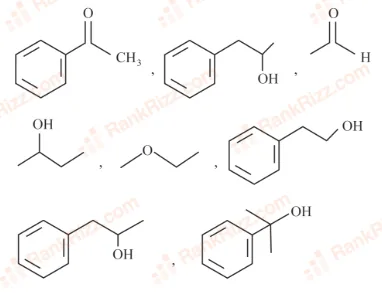
Number of compounds giving (i) red colouration with ceric ammonium nitrate and also (ii) positive iodoform test from the following is _____
A sample of 0.125 g of an organic compound when analysed by Duma's method yields 22.78 mL of nitrogen gas collected over KOH solution at 280 K and 759 mmHg. The percentage of nitrogen in the given organic compound is _____
(a) The vapour pressure of water at 280 K is 14.2 mmHg
(b) L atm K mol
Which one of the following complexes is violet in colour?
Fe[Fe(CN)] HO
[Fe(CN)NOS]
[Fe(SCN)]
[Fe(CN)]
Ceric ammonium nitrate and / alc. KOH are used for the identification of functional groups present in ______ and ______ respectively.
amine, phenol
alcohol, amine
amine, alcohol
alcohol, phenol
Seliwanoff test and Xanthoproteic test are used for the identification of ______ and ______ respectively.
aldoses, ketoses
ketoses, proteins
proteins, ketoses
ketoses, aldoses
A, B and C are three biomolecules. The results of the tests performed on them are given below:
| Molisch's test | Barfoed Test | Biuret Test | |
|---|---|---|---|
| A | Positive | Negative | Negative |
| B | Positive | Positive | Negative |
| C | Negative | Negative | Positive |
A = Glucose, B = Fructose, C = Albumin
A = Lactose, B = Glucose, C = Albumin
A = Lactose, B = Glucose, C = Alanine
A = Lactose, B = Fructose, C = Alanine
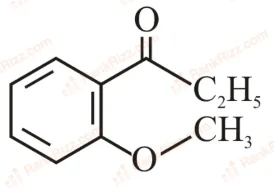
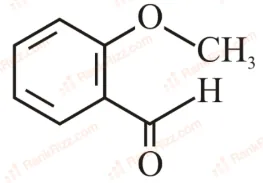
An organic compound neither reacts with neutral ferric chloride solution nor with Fehling solution. It however, reacts with Grignard reagent and gives positive iodoform test. The compound is:
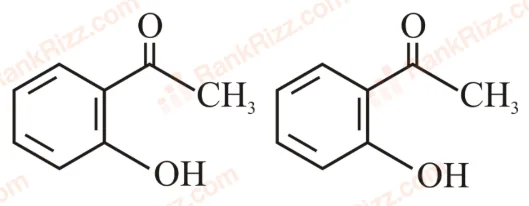
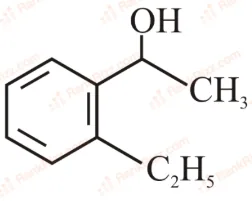
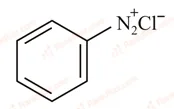
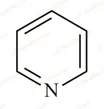
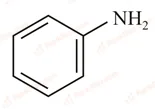
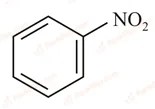
Which of the following compounds will be suitable for Kjeldahl's method for nitrogen estimation?
Which of the following reagents may be used to distinguish between phenol and benzoic acid?
Tollen's reagent
Molisch reagent
Neutral
Aqueous
RELATED PRINCIPLES RELATED TO PRACTICAL CHEMISTRY TOPICS