Haloalkanes and Haloarenes JEE Main PYQs with answer key
CHEMISTRY · 188 PAST QUESTIONS · 6 TOPICS · 2004–2026
HOW TO USE THIS SHEET
Every JEE Main Haloalkanes and Haloarenes question we hold, grouped by topic, most-asked topic first and newest first inside each. The answer key is at the end (188 of 188 questions have a checked key); the worked solution is on each question’s page, printed beside it.
Nucleophilic substitution (SN1 and SN2) 128
Given below are two statements :
Statement I : Due to increase in van der Waals forces, the order of boiling points is CHCHCHI > CHCHI > CHI.
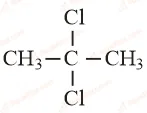
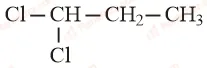
Statement II : As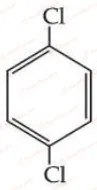
is more symmetric, its melting point is higher than
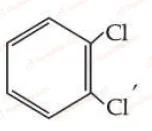
, however its boiling point is lower than
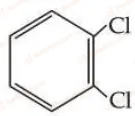
.
In the light of the above statements, choose the correct answer from the options given below :- (A)
Both Statement I and Statement II are true
- (B)
Both Statement I and Statement II are false
- (C)
Statement I is true but Statement II is false
- (D)
Statement I is false but Statement II is true
rr2.rankrizz.com/jee-main/chemistry/haloalkanes-and-haloarenes/q/8-apr-2026-s2-q66
- (A)
when treated with ice cold water liberated a gas which occupied at STP. The gas produced is further reacted with iodine in presence of to give compound (X). Compound (X) in presence of Na and dry ether produced compound (Y). Molar mass of compound (Y) is . (Nearest integer)
Answer: ____________
rr2.rankrizz.com/jee-main/chemistry/haloalkanes-and-haloarenes/q/5-apr-2026-s2-q72
Given below are two statements :
**Statement (I) :** Benzyl chloride reacts faster in S1 mechanism than ethyl chloride.
**Statement (II) :** Ethyl carbocation intermediate is less stabilized by hyperconjugation than benzyl carbocation by resonance.
In the light of the above statements, choose the correct answer from the options given below :- (A)
Both Statement I and Statement II are true
- (B)
Both Statement I and Statement II are false
- (C)
Statement I is true but Statement II is false
- (D)
Statement I is false but Statement II is true
rr2.rankrizz.com/jee-main/chemistry/haloalkanes-and-haloarenes/q/2-apr-2026-s1-q64
- (A)
Correct statements regarding alkyl halides among the following are :
A. Alcohol being less polar solvent favours elimination with alcoholic KOH favours elimination reaction with
B. Order of reactivity towards is .
C. Non substituted aryl halides exhibit properties similar to alkyl halides.
D. Vinyl chloride is example of haloalkene and allyl chloride is example of haloalkyne.
E. can be prepared by reacting with but cannot be prepared by reacting with .
Choose the correct answer from the options given below :- (A)
A, B and C Only
- (B)
B and D Only
- (C)
A and E Only
- (D)
D and E Only
rr2.rankrizz.com/jee-main/chemistry/haloalkanes-and-haloarenes/q/2-apr-2026-s2-q65
- (A)
which of the following reaction is NOT correctly represented?
- (A)
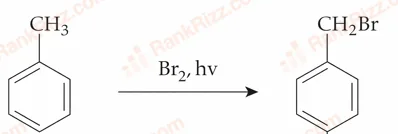
- (B)
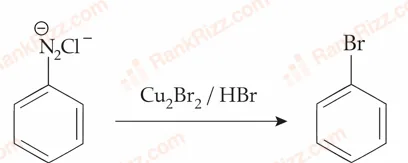
- (C)
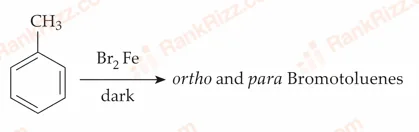
- (D)
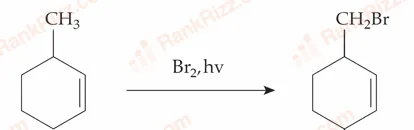
rr2.rankrizz.com/jee-main/chemistry/haloalkanes-and-haloarenes/q/28-jan-2026-s2-q54
- (A)
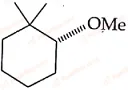
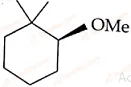
Given below are two statements:
Statement I: 'C - Cl' bond is stronger in
Statement II: The given optically active molecule,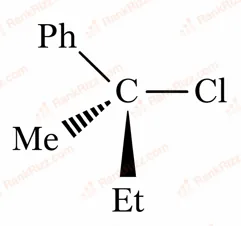
on hydrolysis gives a solution that can rotate the plane polarized light.
In the light of the above statements, choose the correct answer from the options given below- (A)
Statement I is true but Statement II is false
- (B)
Both Statement I and Statement II are false
- (C)
Statement I is false but Statement II is true
- (D)
Both Statement I and Statement II are true
rr2.rankrizz.com/jee-main/chemistry/haloalkanes-and-haloarenes/q/24-jan-2026-s1-q57
- (A)
Match the LIST-I with LIST-II
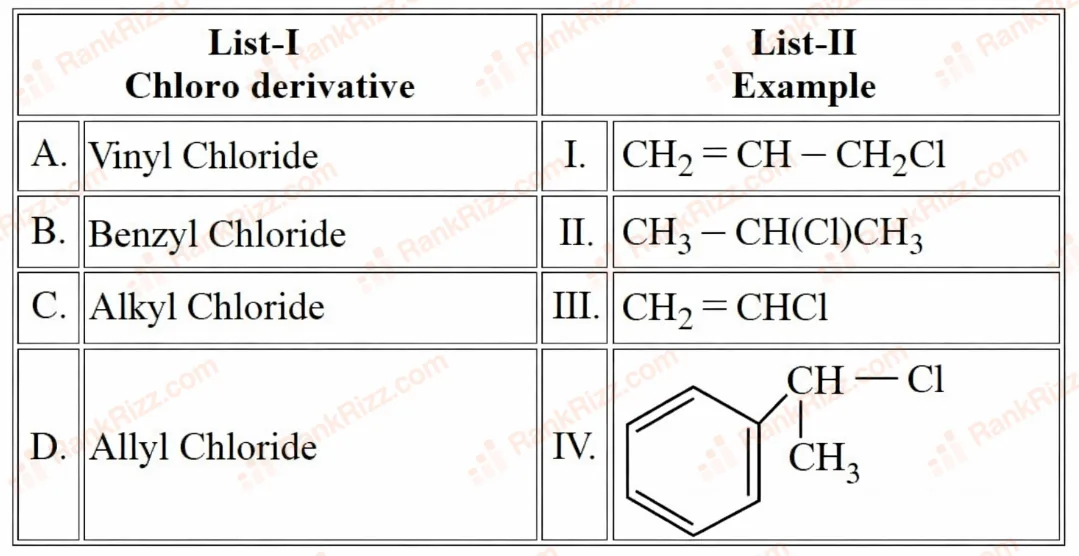
Choose the correct answer from the options given below:
- (A)
A-IV, B-I, C-III, D-II
- (B)
A-III, B-IV, C-II, D-I
- (C)
A-III, B-IV, C-I, D-II
- (D)
A-I, B-II, C-IV, D-III
rr2.rankrizz.com/jee-main/chemistry/haloalkanes-and-haloarenes/q/24-jan-2026-s1-q70
- (A)
Consider all the structural isomers with molecular formula are separately treated with KOH(aq) to give respective substitution products, without any rearrangement. The number of products which can exhibit optical isomerism from these is ______.
Answer: ____________
rr2.rankrizz.com/jee-main/chemistry/haloalkanes-and-haloarenes/q/23-jan-2026-s1-q74
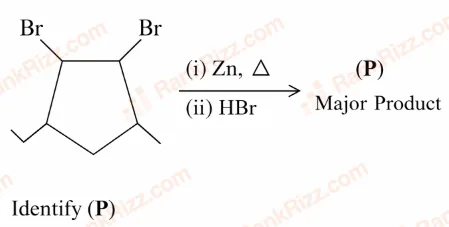
- (A)
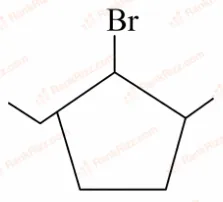
- (B)
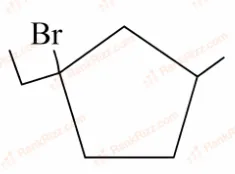
- (C)
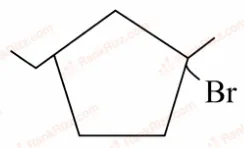
- (D)
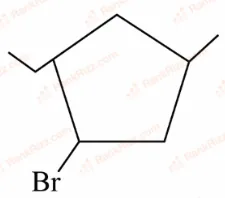
rr2.rankrizz.com/jee-main/chemistry/haloalkanes-and-haloarenes/q/23-jan-2026-s2-q63
- (A)
The correct order of the rate of reaction of the following reactants with nucleophile by mechanism is :
(Given: Structures I and II are rigid)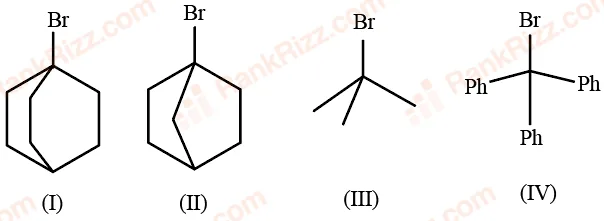
- (A)
III < I < II < IV
- (B)
IV < III < II < I
- (C)
II < I < III < IV
- (D)
I < II < III < IV
rr2.rankrizz.com/jee-main/chemistry/haloalkanes-and-haloarenes/q/22-jan-2026-s1-q56
- (A)
The correct order of reactivity of in methanol with the following
nucleophiles isand
- (A)
- (B)
- (C)
- (D)
rr2.rankrizz.com/jee-main/chemistry/haloalkanes-and-haloarenes/q/22-jan-2026-s1-q70
- (A)
The correct order of the rate of the reaction for the following reaction with respect to nucleophiles is:
- (A)
- (B)
- (C)
- (D)
rr2.rankrizz.com/jee-main/chemistry/haloalkanes-and-haloarenes/q/21-jan-2026-s2-q59
- (A)
- (A)
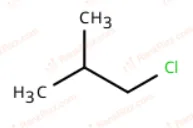
- (B)
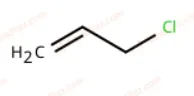
- (C)
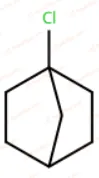
- (D)
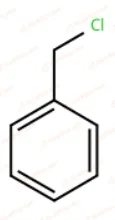
rr2.rankrizz.com/jee-main/chemistry/haloalkanes-and-haloarenes/q/2026-chemistry-516649
- (A)
Given below are two statements :
Statement (I) : Alcohols are formed when alkyl chlorides are treated with aqueous potassium hydroxide by elimination reaction.
Statement (II) : In alcoholic potassium hydroxide, alkyl chlorides form alkenes by abstracting the hydrogen from the -carbon.
In the light of the above statements, choose the most appropriate answer from the option given below :- (A)
Both Statement I and Statement II are incorrect
- (B)
Statement I is incorrect but Statement II is correct
- (C)
Statement I is correct but Statement II is incorrect
- (D)
Both Statement I and Statement II are correct
rr2.rankrizz.com/jee-main/chemistry/haloalkanes-and-haloarenes/q/2025-apr-4-s2-q56
- (A)
Consider the following molecule (X). The structure of X is
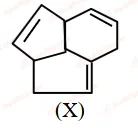
The major product formed when the given molecule (X) is treated with HBr (1 eq) is:
- (A)
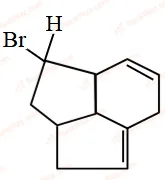
- (B)
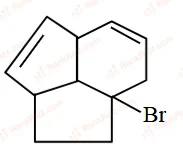
- (C)
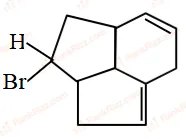
- (D)
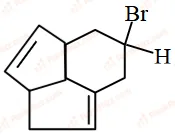
rr2.rankrizz.com/jee-main/chemistry/haloalkanes-and-haloarenes/q/2025-apr-4-s2-q68
- (A)
Match List-I with List-II.
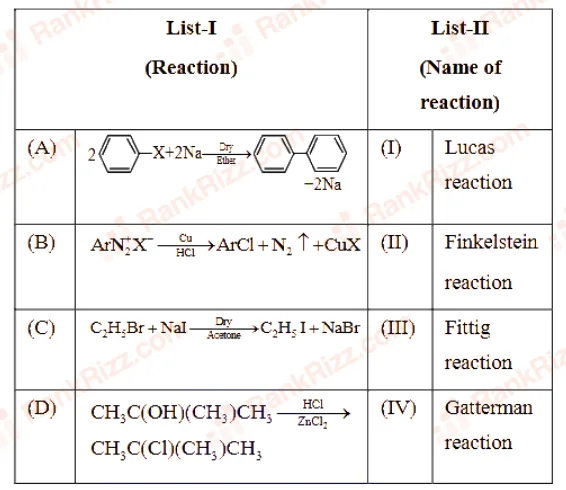
Choose the correct answer from the options given below :
- (A)
(A)-(III), (B)-(II), (C)-(IV), (D)-(I)
- (B)
(A)-(III), (B)-(IV), (C)-(II), (D)-(I)
- (C)
(A)-(IV), (B)-(III), (C)-(I), (D)-(II)
- (D)
(A)-(IV), (B)-(I), (C)-(II), (D)-(III)
rr2.rankrizz.com/jee-main/chemistry/haloalkanes-and-haloarenes/q/2025-apr-02-s2-q66
- (A)
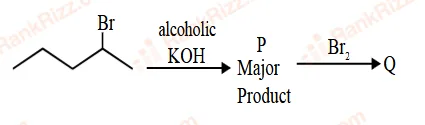
Consider the above sequence of reactions. 151 g of 2-bromopentane is made to react. Yield of major product P is 80% whereas Q is 100%.
Mass of product Q obtained is _________ g.
(Given molar mass in g mol H: 1, C: 12, O: 16, Br: 80)Answer: ____________
rr2.rankrizz.com/jee-main/chemistry/haloalkanes-and-haloarenes/q/2025-apr-02-s2-q73
Which among the following halides will generate the most stable carbocation in the nucleophilic substitution reaction?
- (A)
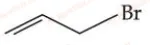
- (B)
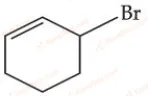
- (C)
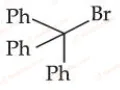
- (D)
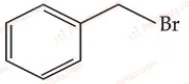
rr2.rankrizz.com/jee-main/chemistry/haloalkanes-and-haloarenes/q/29-jan-2025-s2-q66
- (A)
The products A and B in the following reactions, respectively are

- (A)
- (B)
- (C)
- (D)
rr2.rankrizz.com/jee-main/chemistry/haloalkanes-and-haloarenes/q/28-jan-2025-s1-q56
- (A)
The major product of the following reaction is :
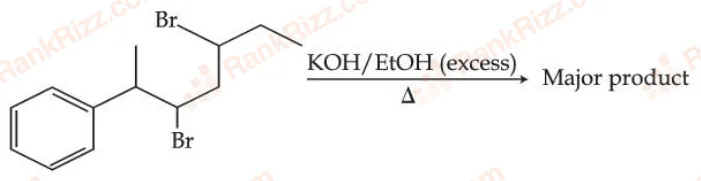
- (A)
2-Phenylhepta-2,5-diene
- (B)
6-Phenylhepta-2,4-diene
- (C)
6-Phenylhepta-3,5-diene
- (D)
2-Phenylhepta-2,4-diene
rr2.rankrizz.com/jee-main/chemistry/haloalkanes-and-haloarenes/q/28-jan-2025-s2-q69
- (A)
Given below are two statements: Statement I: The conversion proceeds well in the less polar medium.
Statement II: The conversion proceeds well in the more polar medium.
In the light of the above statements, choose the correct answer from the options given below
- (A)
Both Statement I and Statement II are true
- (B)
Statement I is true but Statement II is false
- (C)
Statement I is false but Statement II is true
- (D)
Both Statement I and Statement II are false
rr2.rankrizz.com/jee-main/chemistry/haloalkanes-and-haloarenes/q/24-jan-2025-s1-q52
- (A)
The structure of the major product formed in the following reaction is :
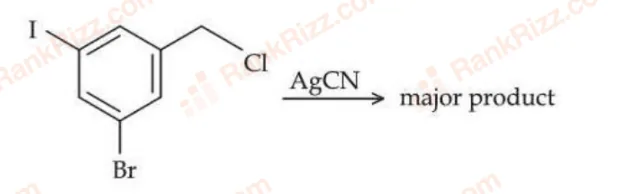
- (A)
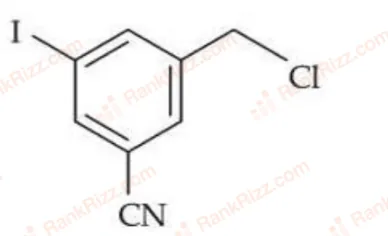
- (B)
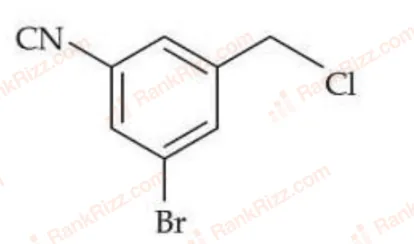
- (C)
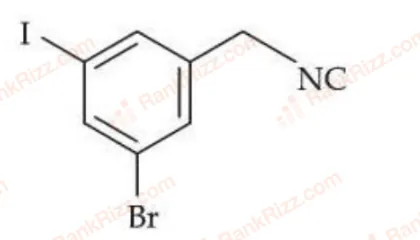
- (D)
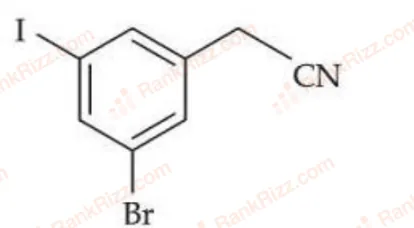
rr2.rankrizz.com/jee-main/chemistry/haloalkanes-and-haloarenes/q/24-jan-2025-s2-q65
- (A)
Match the LIST-I with LIST-II
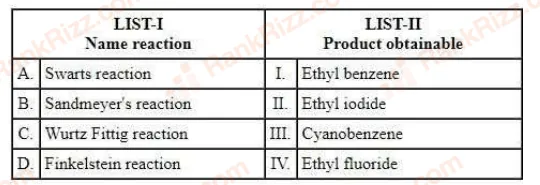
Choose the correct answer from the options given below:
- (A)
A-II, B-I, C-III, D-IV
- (B)
A-II, B-III, C-I, D-IV
- (C)
A-IV, B-I, C-III, D-II
- (D)
A-IV, B-III, C-I, D-II
rr2.rankrizz.com/jee-main/chemistry/haloalkanes-and-haloarenes/q/23-jan-2025-s1-q67
- (A)
The ascending order of relative rate of solvolysis of following compounds is :
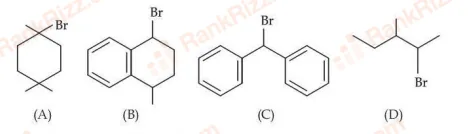
- (A)
(C) < (B) < (A) < (D)
- (B)
(D) < (A) < (B) < (C)
- (C)
(D) < (B) < (A) < (C)
- (D)
(C) < (D) < (B) < (A)
rr2.rankrizz.com/jee-main/chemistry/haloalkanes-and-haloarenes/q/23-jan-2025-s2-q65
- (A)
Given below are two statements : Statement I : will undergo reaction though it is a
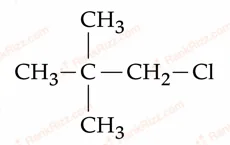
primary halide. Statement II :
will not undergo reaction very easily though it is a primary halide. In the light of the above statements,
choose the most appropriate answer from the options given below :- (A)
Both Statement I and Statement II are incorrect
- (B)
Both Statement I and Statement II are correct
- (C)
Statement I is incorrect but Statement II is correct
- (D)
Statement I is correct but Statement II is incorrect
rr2.rankrizz.com/jee-main/chemistry/haloalkanes-and-haloarenes/q/22-jan-2025-s1-q59
- (A)
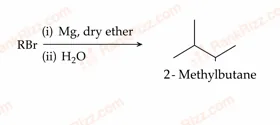
The maximum number of RBr producing 2-methylbutane by above sequence of reactions is ________ -
(Consider the structural isomers only)- (A)
5
- (B)
4
- (C)
3
- (D)
1
rr2.rankrizz.com/jee-main/chemistry/haloalkanes-and-haloarenes/q/22-jan-2025-s2-q56
- (A)
Given below are two statements : one is labelled as Assertion (A) and the other is labelled as Reason (R). Assertion (A) : reaction of occurs more readily than the reaction of . Reason (R) : The partially bonded unhybridized p-orbital that develops in the trigonal bipyramidal transition state is stabilized by conjugation with the phenyl ring. In the light of the above statements, choose the most appropriate answer from the options given below :
- (A)
(A) is correct but (R) is not correct
- (B)
(A) is not correct but (R) is correct
- (C)
Both (A) and (R) are correct but (R) is not the correct explanation of (A)
- (D)
Both (A) and (R) are correct and (R) is the correct explanation of (A)
rr2.rankrizz.com/jee-main/chemistry/haloalkanes-and-haloarenes/q/9-apr-2024-s1-q47
- (A)
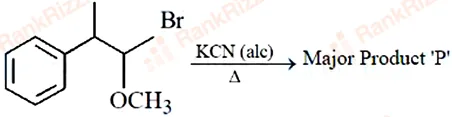
In the above reaction product '' is :- (A)
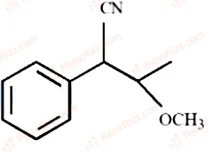
- (B)
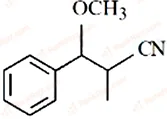
- (C)
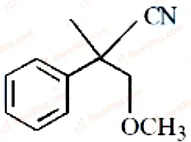
- (D)
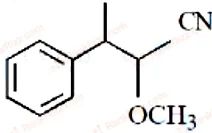
rr2.rankrizz.com/jee-main/chemistry/haloalkanes-and-haloarenes/q/9-apr-2024-s2-q45
- (A)
Which among the following compounds will undergo fastest reaction.- (A)
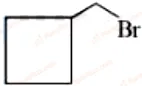
- (B)
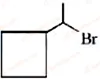
- (C)
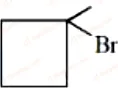
- (D)
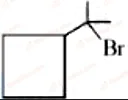
rr2.rankrizz.com/jee-main/chemistry/haloalkanes-and-haloarenes/q/8-apr-2024-s1-q46
- (A)
Given below are two statements : Statement (I) : reactions are 'stereospecific', indicating that they result in the formation of only one stereo-isomer as the product. Statement (II) : reactions generally result in formation of product as racemic mixtures. In the light of the above statements, choose the correct answer from the options given below :
- (A)
Both Statement I and Statement II are false
- (B)
Statement I is false but Statement II is true
- (C)
Statement I is true but Statement II is false
- (D)
Both Statement I and Statement II are true
rr2.rankrizz.com/jee-main/chemistry/haloalkanes-and-haloarenes/q/8-apr-2024-s2-q46
- (A)
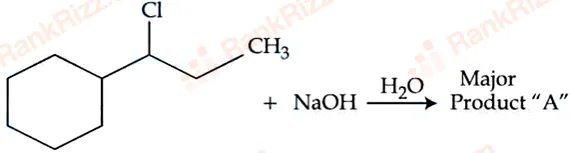
Consider the above chemical reaction. Product "A " is :
- (A)
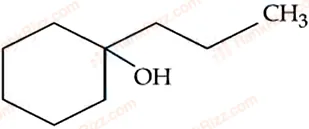
- (B)
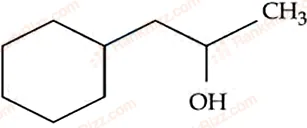
- (C)
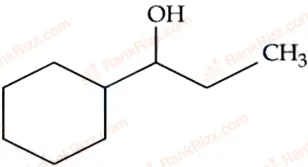
- (D)
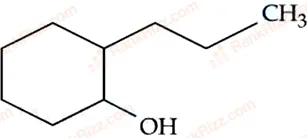
rr2.rankrizz.com/jee-main/chemistry/haloalkanes-and-haloarenes/q/6-apr-2024-s2-q45
- (A)
Identify the major product in the following reaction.
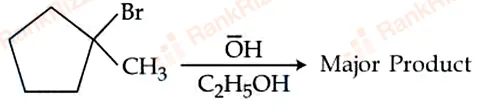
- (A)
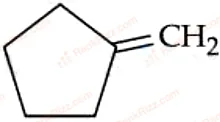
- (B)
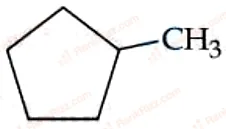
- (C)
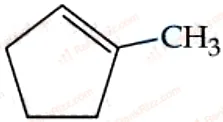
- (D)
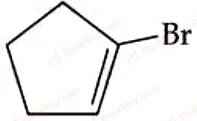
rr2.rankrizz.com/jee-main/chemistry/haloalkanes-and-haloarenes/q/05-apr-2024-s2-q47
- (A)
Identify the correct set of reagents or reaction conditions 'X' and 'Y' in the following set of transformation:

- (A)
X = dil.aq. NaOH, 20°C; Y = Br₂/CHCl₃
- (B)
X = conc.alc. NaOH, 80°C; Y = Br₂/CHCl₃
- (C)
X = dil.aq. NaOH, 20°C; Y = HBr/acetic acid
- (D)
X = conc.alc. NaOH, 80°C; Y = HBr/acetic acid
rr2.rankrizz.com/jee-main/chemistry/haloalkanes-and-haloarenes/q/04-apr-2024-s1-q46
- (A)
Product 'A'.
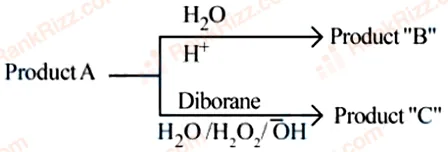
Consider the above reactions, identify product and product .- (A)
= 1-Propanol, = 2-Propanol
- (B)
= = 2-Propanol
- (C)
= 2-Propanol, = 1-Propanol
- (D)
= = 1-Propanol
rr2.rankrizz.com/jee-main/chemistry/haloalkanes-and-haloarenes/q/04-apr-2024-s2-q48
- (A)
Find out the major product formed from the following reaction. [Me: ]

- (A)
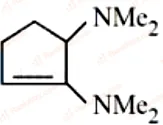
- (B)
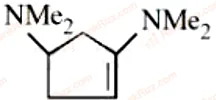
- (C)
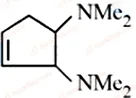
- (D)
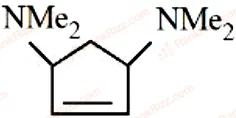
rr2.rankrizz.com/jee-main/chemistry/haloalkanes-and-haloarenes/q/04-apr-2024-s2-q49
- (A)
Given below are two statements: one is labelled as Assertion A and the other is labelled as Reason R. Assertion A: Haloalkanes react with KCN to form alkyl cyanides as a main product while with AgCN form isocyanide as the main product. Reason R: KCN and AgCN both are highly ionic compounds. In the light of the above statement, choose the most appropriate answer from the options given below:
- (A)
A is correct but R is not correct
- (B)
Both A and R are correct but R is not the correct explanation of A
- (C)
A is not correct but R is correct
- (D)
Both A and R are correct and R is the correct explanation of A
rr2.rankrizz.com/jee-main/chemistry/haloalkanes-and-haloarenes/q/01-feb-2024-s1-q46
- (A)
The product (C) in the below mentioned reaction is:
- (A)
Propan-1-ol
- (B)
Propene
- (C)
Propyne
- (D)
Propan-2-ol
rr2.rankrizz.com/jee-main/chemistry/haloalkanes-and-haloarenes/q/31-jan-2024-s1-q39
- (A)

The total number of hydrogen atoms in product A and product B is __________.
Answer: ____________
rr2.rankrizz.com/jee-main/chemistry/haloalkanes-and-haloarenes/q/31-jan-2024-s1-q58
Example of vinylic halide is
- (A)
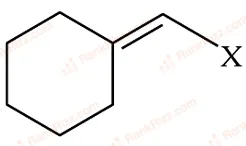
- (B)
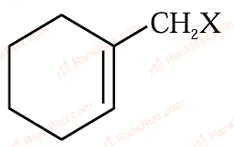
- (C)
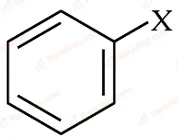
- (D)
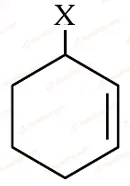
rr2.rankrizz.com/jee-main/chemistry/haloalkanes-and-haloarenes/q/30-jan-2024-s1-q35
- (A)
Given below are two statements one is labeled as Assertion (A) and the other is labeled as Reason (R).
Assertion (A): is an example of allyl halide
Reason (R): Allyl halides are the compounds in which the halogen atom is attached to hybridised carbon atom.
In the light of the two above statements, choose the most appropriate answer from the options given below:- (A)
(A) is true but (R) is false
- (B)
Both (A) and (R) are true but (R) is not the correct explanation of A
- (C)
(A) is false but (R) is true
- (D)
Both (A) and (R) are true and (R) is the correct explanation of (A)
rr2.rankrizz.com/jee-main/chemistry/haloalkanes-and-haloarenes/q/30-jan-2024-s1-q36
- (A)
Given below are two statements:
Statement - I: High concentration of strong nucleophilic reagent with secondary alkyl halides which do not have bulky substituents will follow mechanism.
Statement - II: A secondary alkyl halide when treated with a large excess of ethanol follows mechanism.
In the light of the above statements, choose the most appropriate from the options given below:- (A)
Statement I is true but Statement II is false.
- (B)
Statement I is false but Statement II is true.
- (C)
Both Statement I and Statement II are false.
- (D)
Both Statement I and Statement II are true.
rr2.rankrizz.com/jee-main/chemistry/haloalkanes-and-haloarenes/q/30-jan-2024-s2-q47
- (A)
Alkyl halide is converted into alkyl isocyanide by reaction with
- (A)
NaCN
- (B)
NHCN
- (C)
KCN
- (D)
AgCN
rr2.rankrizz.com/jee-main/chemistry/haloalkanes-and-haloarenes/q/29-jan-2024-s2-q43
- (A)
The correct statement regarding nucleophilic substitution reaction in a chiral alkyl halide is :
- (A)
Retention occurs in reaction and inversion occurs in reaction.
- (B)
Racemisation occurs in reaction and retention occurs in reaction.
- (C)
Racemisation occurs in both and reactions.
- (D)
Racemisation occurs in reaction and inversion occurs in reaction.
rr2.rankrizz.com/jee-main/chemistry/haloalkanes-and-haloarenes/q/27-jan-2024-s1-q48
- (A)
Which among the following halide/s will not show reaction:
- (A)
- (B)
- (C)
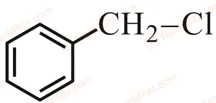
- (D)
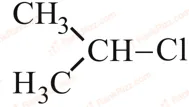
rr2.rankrizz.com/jee-main/chemistry/haloalkanes-and-haloarenes/q/27-jan-2024-s2-q45
- (A)
2-Methyl propyl bromide reacts with CHO and gives 'A' whereas on reaction with CHOH it gives 'B'. The mechanism followed in these reactions and the products 'A' and 'B' respectively are:
- (A)
S2, A = iso-butyl ethyl ether; S1, B = tert-butyl ethyl ether
- (B)
S1, A = tert-butyl ethyl ether; S1, B = 2-butyl ethyl ether
- (C)
S2, A = 2-butyl ethyl ether; S2, B = iso-butyl ethyl ether
- (D)
S1, A = tert-butyl ethyl ether; S2, B = iso-butyl ethyl ether
rr2.rankrizz.com/jee-main/chemistry/haloalkanes-and-haloarenes/q/13-apr-2023-s1-q45
- (A)
Match List-I with List-II.
1-Bromopropane is reacted with reagents in List-I to give product in List-IIList-I Reagent List-II Product A KOH (alc) I Nitrile B KCN (alc) II Ester C AgNO III Alkene D HCCOOAg IV Nitroalkane
Choose the correct answer from the options given below- (A)
A-III, B-I, C-IV, D-II
- (B)
A-I, B-II, C-III, D-IV
- (C)
A-I, B-III, C-IV, D-II
- (D)
A-IV, B-III, C-II, D-I
rr2.rankrizz.com/jee-main/chemistry/haloalkanes-and-haloarenes/q/13-apr-2023-s2-q47
- (A)


Where Nu = Nucleophile
Find out the correct statement from the options given below for the above two reactions.- (A)
Reaction (I) is of 2 order and reaction (II) is of 1 order
- (B)
Reactions (I) and (II) both are of 2 order
- (C)
Reactions (I) is of 1 order and reaction (II) is of 2 order
- (D)
Reaction (I) and (II) both are of 1st order
rr2.rankrizz.com/jee-main/chemistry/haloalkanes-and-haloarenes/q/11-apr-2023-s1-q37
- (A)
Choose the halogen which is most reactive towards SN1 reaction in the given compounds (A, B, C & D)
A.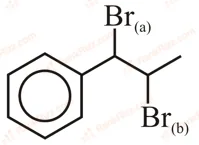
B.
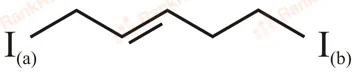
C.
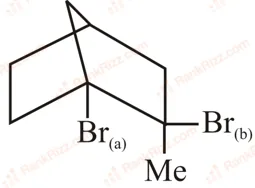
D.
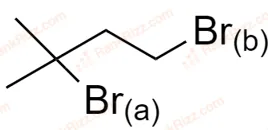
- (A)
- (B)
- (C)
- (D)
rr2.rankrizz.com/jee-main/chemistry/haloalkanes-and-haloarenes/q/8-apr-2023-s1-q45
- (A)
For the reaction

The correct statement is- (A)
Br can act as competing nucleophile.
- (B)
The reaction can occur in acetic acid also.
- (C)
The transition state formed in the above reaction is less polar than the localised anion.
- (D)
The solvent used in the reaction solvates the ions formed in rate determining step
rr2.rankrizz.com/jee-main/chemistry/haloalkanes-and-haloarenes/q/6-apr-2023-s1-q45
- (A)
The correct order of melting point of dichlorobenzenes is
- (A)
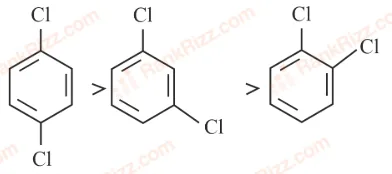
- (B)
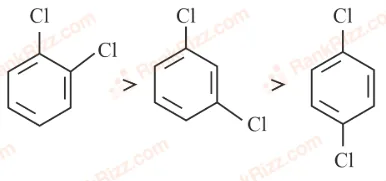
- (C)
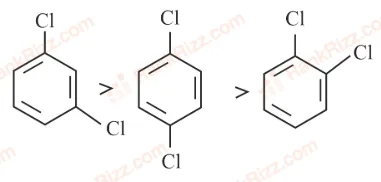
- (D)
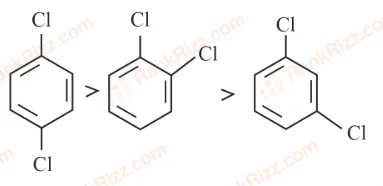
rr2.rankrizz.com/jee-main/chemistry/haloalkanes-and-haloarenes/q/31-jan-2023-s1-q45
- (A)
Match List I with List II
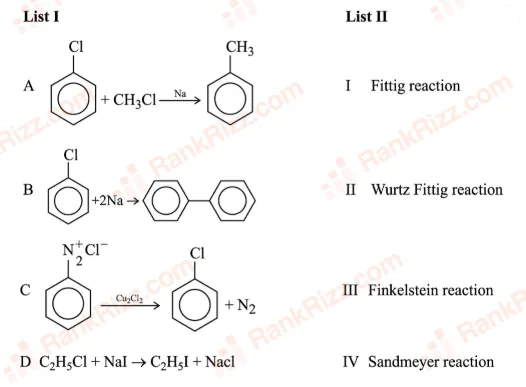
- (A)
A-II, B-I, C-III, D-IV
- (B)
A-III, B-II, C-IV, D-I
- (C)
A-IV, B-II, C-III, D-I
- (D)
A-II, B-I, C-IV, D-III
rr2.rankrizz.com/jee-main/chemistry/haloalkanes-and-haloarenes/q/30-jan-2023-s1-q44
- (A)
Decreasing order towards S1 reaction for the following compounds is:
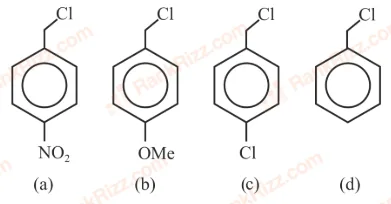
- (A)
a c d b
- (B)
a b c d
- (C)
b d c a
- (D)
d b c a
rr2.rankrizz.com/jee-main/chemistry/haloalkanes-and-haloarenes/q/30-jan-2023-s2-q48
- (A)
Identify the correct order for the given property for following compounds
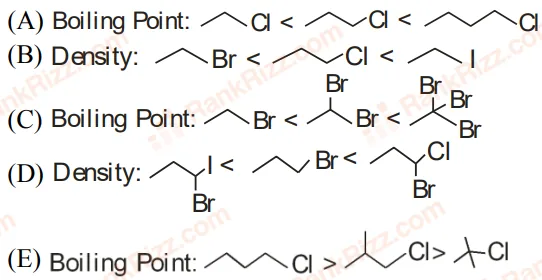
Choose the correct answer from the option below:- (A)
(B), (C) and (D) only
- (B)
(A), (C) and (E) only
- (C)
(A), (C) and (D) only
- (D)
(A), (B) and (E) only
rr2.rankrizz.com/jee-main/chemistry/haloalkanes-and-haloarenes/q/29-jan-2023-s1-q46
- (A)
Assertion A: Hydrolysis of an alkyl chloride is a slow reaction but in the presence of NaI, the rate of hydrolysis increases.
Reason R: is a good nucleophile as well as a good leaving group.
In the light of the above statements, choose the correct answer from the options given below.- (A)
A is false but R is true
- (B)
A is true but R is false
- (C)
Both A and R are true and R is the correct explanation of A
- (D)
Both A and R are true and R is not the correct explanation of A
rr2.rankrizz.com/jee-main/chemistry/haloalkanes-and-haloarenes/q/24-jan-2023-s1-q45
- (A)
Assertion A: Hydrolysis of an alkyl chloride is a slow reaction but in the presence of NaI, the rate of hydrolysis increases.
Reason R: I is a good nucleophile as well as a good leaving group.
In the light of the above statements, choose the correct answer from the options given below:- (A)
A is false but R is true
- (B)
A is true but R is false
- (C)
Both A and R are true and R is the correct explanation of A
- (D)
Both A and R are true and R is not the correct explanation of A
rr2.rankrizz.com/jee-main/chemistry/haloalkanes-and-haloarenes/q/24-jan-2023-s1-q45-494060
- (A)
Considering the above reactions, the compound 'A' and compound 'B' respectively are

- (A)

- (B)

- (C)

- (D)

rr2.rankrizz.com/jee-main/chemistry/haloalkanes-and-haloarenes/q/29-jul-2022-s1-q43
- (A)
Compound 'A' undergoes following sequence of reactions to give compound 'B'. The correct structure and chirality of compound 'B' is [where Et is ]
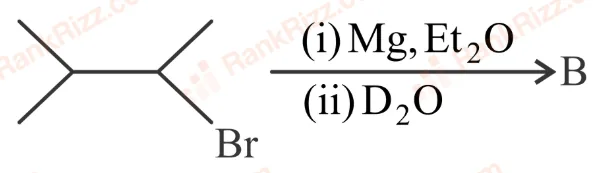
- (A)
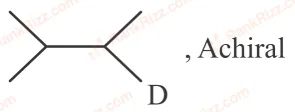
- (B)
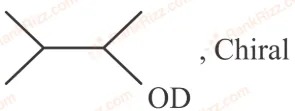
- (C)
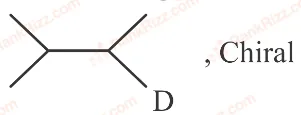
- (D)
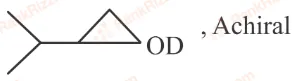
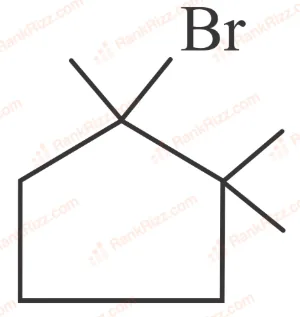
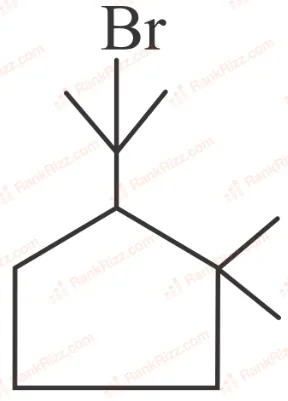
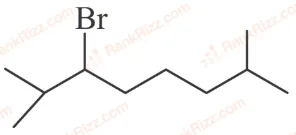
rr2.rankrizz.com/jee-main/chemistry/haloalkanes-and-haloarenes/q/29-jul-2022-s2-q46
- (A)
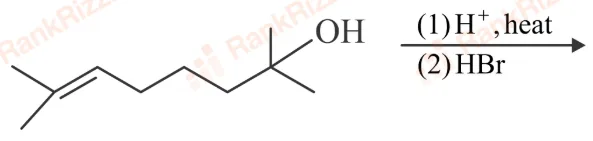
The major product in the given reaction is
- (A)
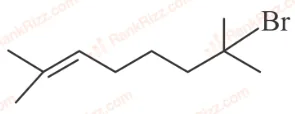
- (B)
- (C)
- (D)
rr2.rankrizz.com/jee-main/chemistry/haloalkanes-and-haloarenes/q/28-jul-2022-s2-q44
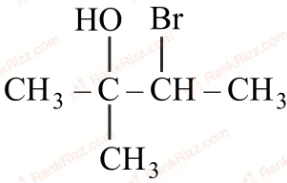
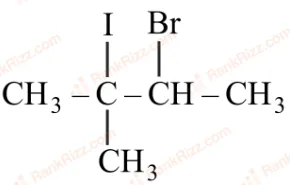
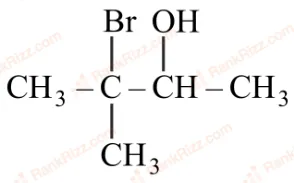
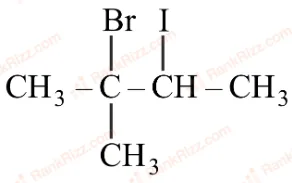
- (A)
Major product 'B' of the following reaction sequence is

- (A)
- (B)
- (C)
- (D)
rr2.rankrizz.com/jee-main/chemistry/haloalkanes-and-haloarenes/q/27-jul-2022-s2-q45
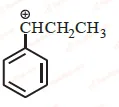
- (A)

The stable carbocation formed in the above reaction is:- (A)
- (B)
- (C)
- (D)
rr2.rankrizz.com/jee-main/chemistry/haloalkanes-and-haloarenes/q/29-jun-2022-s2-q44
- (A)
The major product (P) in the reaction

- (A)
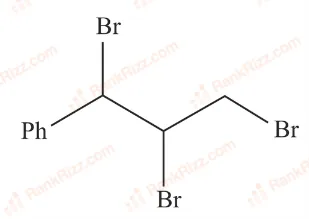
- (B)
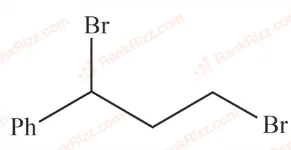
- (C)
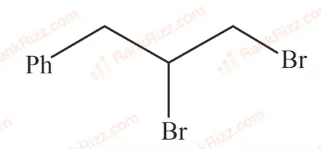
- (D)
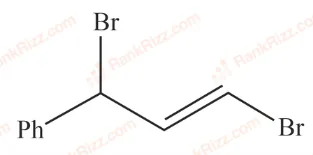
rr2.rankrizz.com/jee-main/chemistry/haloalkanes-and-haloarenes/q/28-jun-2022-s1-q44
- (A)
Which one of the following compounds is inactive towards reaction?
- (A)
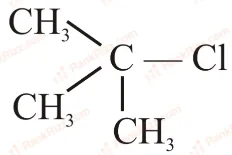
- (B)
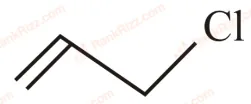
- (C)
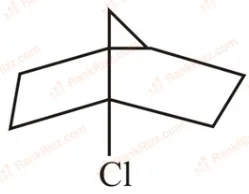
- (D)
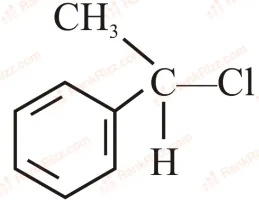
rr2.rankrizz.com/jee-main/chemistry/haloalkanes-and-haloarenes/q/28-jun-2022-s1-q45
- (A)
The major product in the reaction
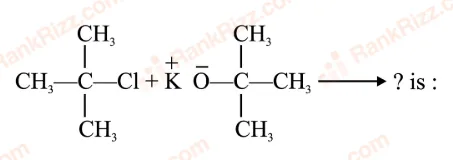
- (A)
-Butyl ethyl ether
- (B)
2-Methyl pent-1-ene
- (C)
2, 2-Dimethyl butane
- (D)
2-Methyl prop-1-ene
rr2.rankrizz.com/jee-main/chemistry/haloalkanes-and-haloarenes/q/25-jun-2022-s1-q45
- (A)
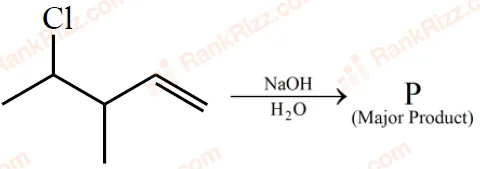
Consider the above reaction. The number of electrons present in the product 'P' is ______Answer: ____________
rr2.rankrizz.com/jee-main/chemistry/haloalkanes-and-haloarenes/q/24-jun-2022-s2-q59
The correct order of reactivity of the given chlorides with acetate in acetic acid is:
- (A)
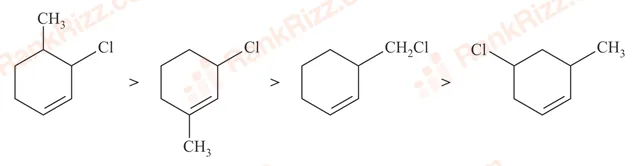
- (B)
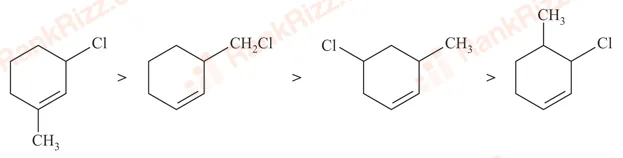
- (C)
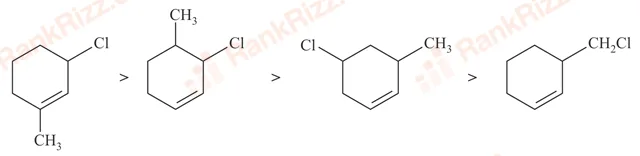
- (D)
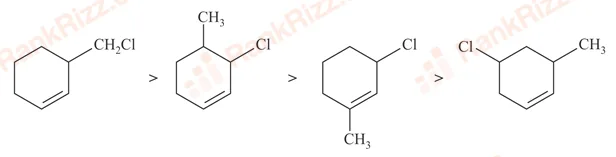
rr2.rankrizz.com/jee-main/chemistry/haloalkanes-and-haloarenes/q/31-aug-2021-s1-q45
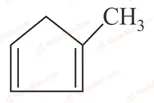
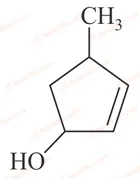
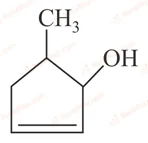
- (A)
The major product of the following reaction is:
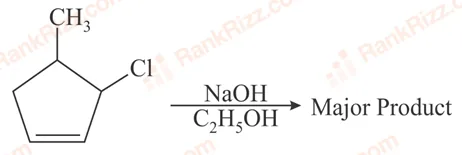
- (A)
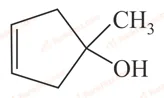
- (B)
- (C)
- (D)
rr2.rankrizz.com/jee-main/chemistry/haloalkanes-and-haloarenes/q/31-aug-2021-s2-q45
- (A)
In the following sequence of reactions the P is:
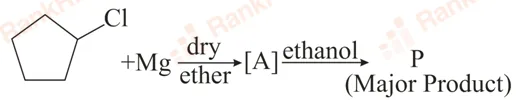
- (A)
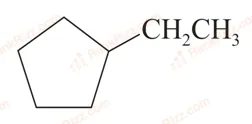
- (B)
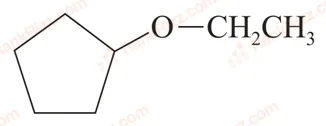
- (C)
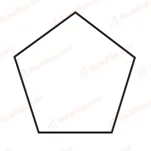
- (D)
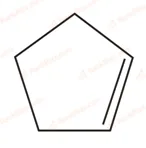
rr2.rankrizz.com/jee-main/chemistry/haloalkanes-and-haloarenes/q/27-aug-2021-s1-q43
- (A)
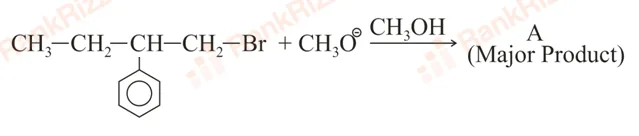
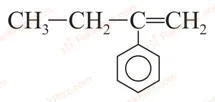
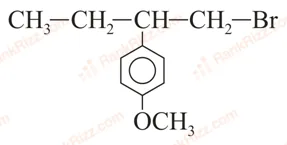
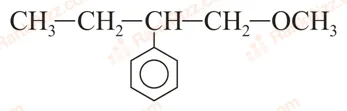
The major product (A) formed in the reaction given below is:
- (A)
- (B)
- (C)
- (D)
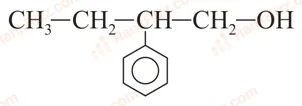
rr2.rankrizz.com/jee-main/chemistry/haloalkanes-and-haloarenes/q/27-aug-2021-s2-q35
- (A)
A chloro compound "A".
(i) forms aldehydes on ozonolysis followed by the hydrolysis.
(ii) when vaporized completely 1.53 g of A, gives 448 mL of vapour at STP. The number of carbon atoms in a molecule of compound A is _________Answer: ____________
rr2.rankrizz.com/jee-main/chemistry/haloalkanes-and-haloarenes/q/26-aug-2021-s2-q56
The correct pair(s) of the ambident nucleophiles is (are):
(A) AgCN / KCN
(B) RCOOAg / RCOOK
(C) AgNO / KNO
(D) AgI / KI- (A)
(B) and (C) only
- (B)
(A) only
- (C)
(A) and (C) only
- (D)
(B) only
rr2.rankrizz.com/jee-main/chemistry/haloalkanes-and-haloarenes/q/17-mar-2021-s2-q36
- (A)
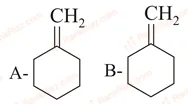
The product "A" and "B" formed in below reactions are:
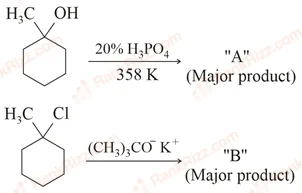
- (A)
- (B)
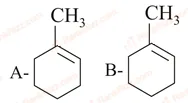
- (C)
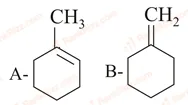
- (D)
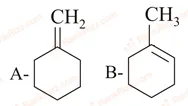
rr2.rankrizz.com/jee-main/chemistry/haloalkanes-and-haloarenes/q/16-mar-2021-s1-q38
- (A)
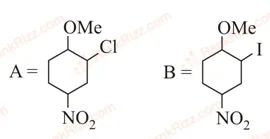
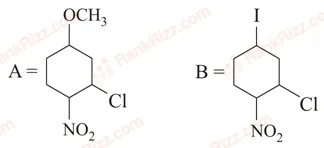
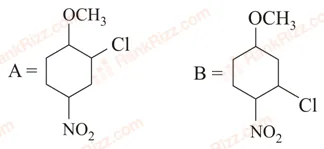
Identify A and B in the chemical reaction.
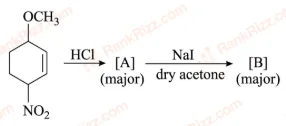
- (A)
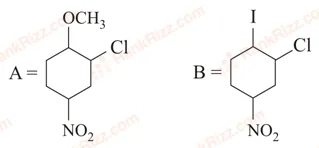
- (B)
- (C)
- (D)
rr2.rankrizz.com/jee-main/chemistry/haloalkanes-and-haloarenes/q/25-feb-2021-s1-q40
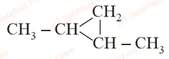
- (A)
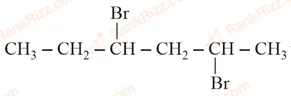
The product formed in the first step of the reaction with excess Mg / EtO / Et = is- (A)
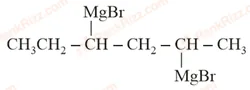
- (B)

- (C)
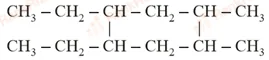
- (D)
rr2.rankrizz.com/jee-main/chemistry/haloalkanes-and-haloarenes/q/24-feb-2021-s1-q43
- (A)
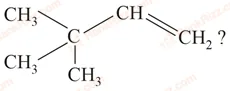
What is the major product formed by HI on reaction with the above compound?- (A)
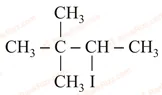
- (B)
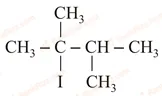
- (C)
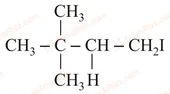
- (D)
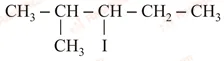
rr2.rankrizz.com/jee-main/chemistry/haloalkanes-and-haloarenes/q/24-feb-2021-s1-q44
- (A)
The increasing order of the boiling points of the major products A, B and C of the following reactions will be:
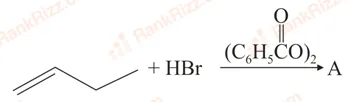
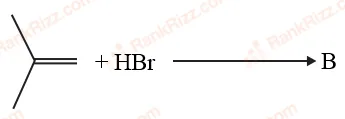
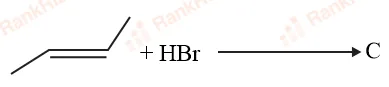
- (A)
- (B)
- (C)
- (D)
rr2.rankrizz.com/jee-main/chemistry/haloalkanes-and-haloarenes/q/6-sep-2020-s2-q41
- (A)
The major product formed in the following reaction is:
- (A)
- (B)
- (C)
- (D)
rr2.rankrizz.com/jee-main/chemistry/haloalkanes-and-haloarenes/q/5-sep-2020-s2-q35
- (A)
The decreasing order of reactivity of the following organic molecules towards AgNO solution is:
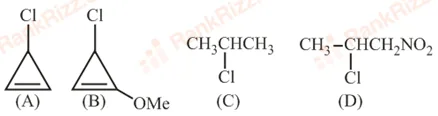
- (A)
(C) > (D) > (A) > (B)
- (B)
(A) > (B) > (D) > (C)
- (C)
(A) > (B) > (C) > (D)
- (D)
(B) > (A) > (C) > (D)
rr2.rankrizz.com/jee-main/chemistry/haloalkanes-and-haloarenes/q/4-sep-2020-s1-q34
- (A)
Which of the following compounds will form the precipitate with aq. AgNO solution most readily?
- (A)
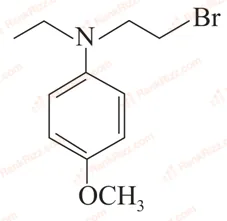
- (B)
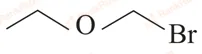
- (C)
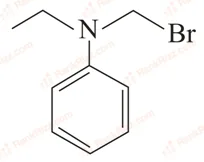
- (D)
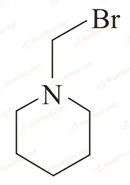
rr2.rankrizz.com/jee-main/chemistry/haloalkanes-and-haloarenes/q/4-sep-2020-s2-q33
- (A)
Among the following compounds, which one has the shortest C-Cl bond?
- (A)
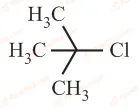
- (B)
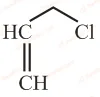
- (C)
- (D)
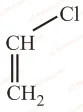
rr2.rankrizz.com/jee-main/chemistry/haloalkanes-and-haloarenes/q/4-sep-2020-s2-q34
- (A)
The mechanism of Sn1 reaction is given as:
Ion pair Solvent separated ion pair
A student writes general characteristics based on the given mechanism as:
(a) The reaction is favoured by weak nucleophiles.
(b) would be easily formed if the substituents are bulky
(c) The reaction is accompanied by racemization
(d) The reaction is favoured by non-polar solvents.
Which observations are correct?- (A)
(a) and (b)
- (B)
(a) and (c)
- (C)
(a), (b) and (c)
- (D)
(b) and (d)
rr2.rankrizz.com/jee-main/chemistry/haloalkanes-and-haloarenes/q/3-sep-2020-s1-q43
- (A)
The decreasing order of reactivity of the following compounds towards nucleophilic substitution () is:
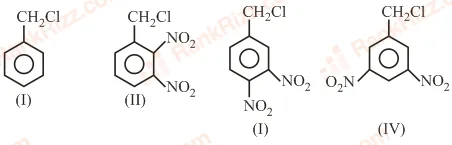
- (A)
(II) > (III) > (I) > (IV)
- (B)
(II) > (III) > (IV) > (I)
- (C)
(III) > (II) > (IV) > (I)
- (D)
(IV) > (II) > (III) > (I)
rr2.rankrizz.com/jee-main/chemistry/haloalkanes-and-haloarenes/q/3-sep-2020-s2-q38
- (A)
The major product in the following reaction is:
- (A)

- (B)
- (C)

- (D)
rr2.rankrizz.com/jee-main/chemistry/haloalkanes-and-haloarenes/q/3-sep-2020-s2-q39
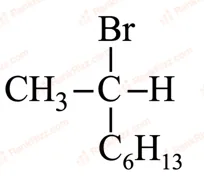
- (A)
Which of the following compounds will show retention in configuration on nucleophilic substitution by ion?
- (A)
- (B)
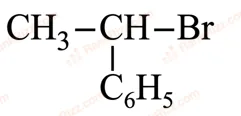
- (C)
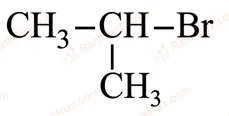
- (D)
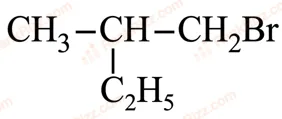
rr2.rankrizz.com/jee-main/chemistry/haloalkanes-and-haloarenes/q/2-sep-2020-s1-q43
- (A)
The major product obtained from -elimination of 3-bromo-2-fluoropentane is:
- (A)
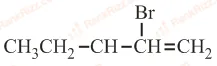
- (B)
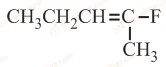
- (C)
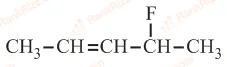
- (D)
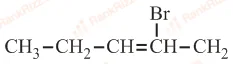
rr2.rankrizz.com/jee-main/chemistry/haloalkanes-and-haloarenes/q/2-sep-2020-s2-q41
- (A)
Consider the reaction sequence given below:
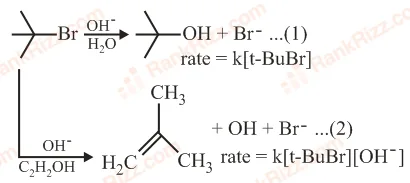
Which of the following statements is true:- (A)
Changing the base from to will have no effect on reaction (2)
- (B)
Changing the concentration of base will have no effect on reaction (1)
- (C)
Doubling the concentration of base will double the rate of both the reactions
- (D)
Changing the concentration of base will have no effect on reaction (2)
rr2.rankrizz.com/jee-main/chemistry/haloalkanes-and-haloarenes/q/2-sep-2020-s2-q42
- (A)
Which of the following reactions will not produce a racemic product?
- (A)
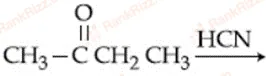
- (B)
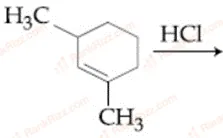
- (C)
- (D)
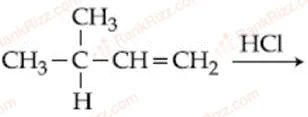
rr2.rankrizz.com/jee-main/chemistry/haloalkanes-and-haloarenes/q/9-jan-2020-s2-q35
- (A)
The decreasing order of reactivity towards dehydrohalogenation (E) reaction of the following compounds is:
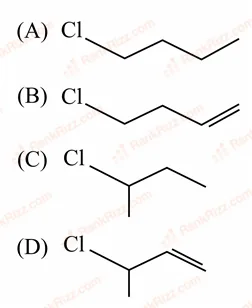
- (A)
D > B > C > A
- (B)
B > D > A > C
- (C)
B > D > C > A
- (D)
B > A > D > C
rr2.rankrizz.com/jee-main/chemistry/haloalkanes-and-haloarenes/q/8-jan-2020-s1-q41
- (A)
1-methyl ethylene oxide when treated with an excess of HBr produces
- (A)
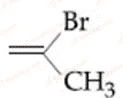
- (B)
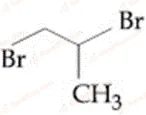
- (C)
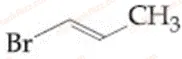
- (D)
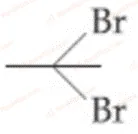
rr2.rankrizz.com/jee-main/chemistry/haloalkanes-and-haloarenes/q/7-jan-2020-s1-q42
- (A)
For the following reactions
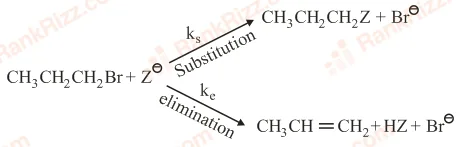
where: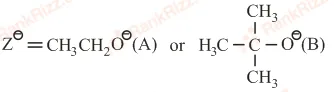
k and k are respectively the rate constants for substitution and elimination, and , the correct option is- (A)
and
- (B)
and
- (C)
and
- (D)
and
rr2.rankrizz.com/jee-main/chemistry/haloalkanes-and-haloarenes/q/7-jan-2020-s2-q41
- (A)
Which one of the following is likely to give a precipitate with AgNO solution?
- (A)
CH = CH - Cl
- (B)
(CH)CCl
- (C)
CCl
- (D)
CHCl
rr2.rankrizz.com/jee-main/chemistry/haloalkanes-and-haloarenes/q/12-apr-2019-s2-q41
- (A)
Heating of 2-chloro-1-phenylbutane with EtOK/EtOH gives X as the major product. Reaction X with Hg(OAc)/HO followed by NaBH gives Y as the major product. Y is:
- (A)
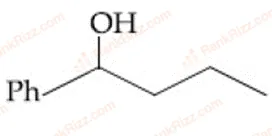
- (B)
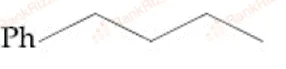
- (C)
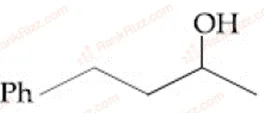
- (D)
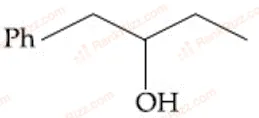
rr2.rankrizz.com/jee-main/chemistry/haloalkanes-and-haloarenes/q/12-apr-2019-s2-q43
- (A)
An 'Assertion' and a 'Reason' is given below. Choose the correct answer from the following options:
Assertion (A): Vinyl halides do not undergo nucleophilic substitution easily.
Reason (R): Even though the intermediate carbocation is stabilized by loosely held -electrons, the cleavage is difficult because of the strong bonding.- (A)
Both (A) and (R) are correct statements but (R) is not the correct explanation of (A).
- (B)
Both (A) and (R) are wrong statements.
- (C)
Both (A) and (R) are wrong statements and (R) is the correct explanation of (A).
- (D)
(A) is a correct statement but (R) is a wrong statement.
rr2.rankrizz.com/jee-main/chemistry/haloalkanes-and-haloarenes/q/12-apr-2019-s2-q55
- (A)
Increasing rate of S1 reaction in the following compounds is:
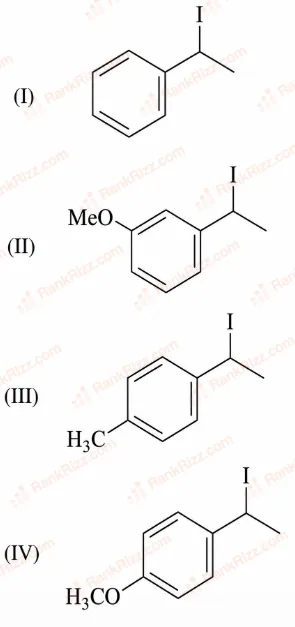
- (A)
(I) < (II) < (III) < (IV)
- (B)
(II) < (I) < (III) < (IV)
- (C)
(II) < (I) < (IV) < (III)
- (D)
(I) < (II) < (IV) < (III)
rr2.rankrizz.com/jee-main/chemistry/haloalkanes-and-haloarenes/q/10-apr-2019-s1-q53
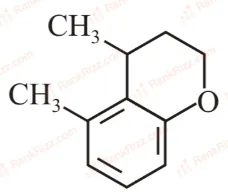
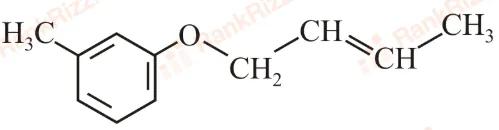
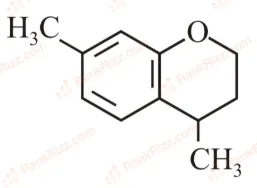
- (A)
The major product obtained in the given reaction is:

- (A)
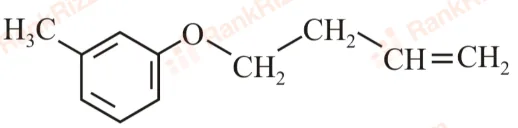
- (B)
- (C)
- (D)
rr2.rankrizz.com/jee-main/chemistry/haloalkanes-and-haloarenes/q/10-apr-2019-s2-q44
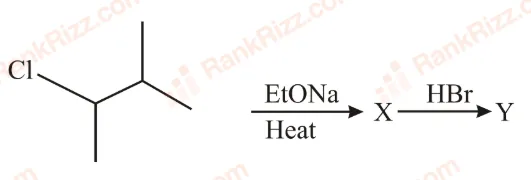
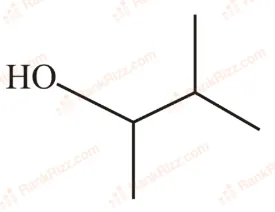
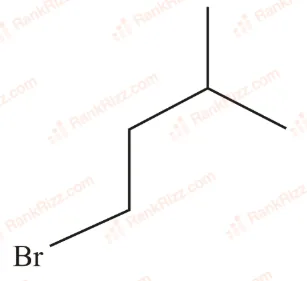
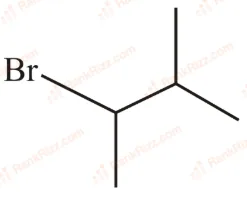
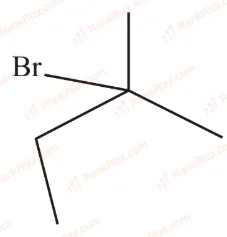
- (A)
The major product 'Y' in the following reaction is:
- (A)
- (B)
- (C)
- (D)
rr2.rankrizz.com/jee-main/chemistry/haloalkanes-and-haloarenes/q/10-apr-2019-s2-q55
- (A)
Increasing order of reactivity of the following compounds for S1 substitution is:

- (A)
B < C < D < A
- (B)
B < A < D < C
- (C)
A < B < D < C
- (D)
B < C < A < D
rr2.rankrizz.com/jee-main/chemistry/haloalkanes-and-haloarenes/q/9-apr-2019-s2-q51
- (A)
Which of the following potential energy (P.E.) diagrams represents the S1 reaction?
- (A)
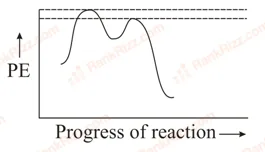
- (B)
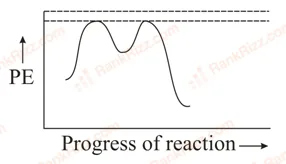
- (C)
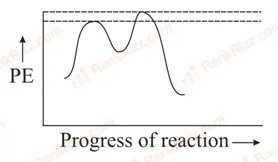
- (D)
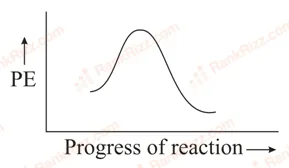
rr2.rankrizz.com/jee-main/chemistry/haloalkanes-and-haloarenes/q/9-apr-2019-s2-q52
- (A)
Which one of the following alkenes when treated with HCl yields majorly an anti Markovnikov product?
- (A)
CHO - CH = CH
- (B)
Cl - CH = CH
- (C)
HN - CH = CH
- (D)
FC - CH = CH
rr2.rankrizz.com/jee-main/chemistry/haloalkanes-and-haloarenes/q/8-apr-2019-s2-q42
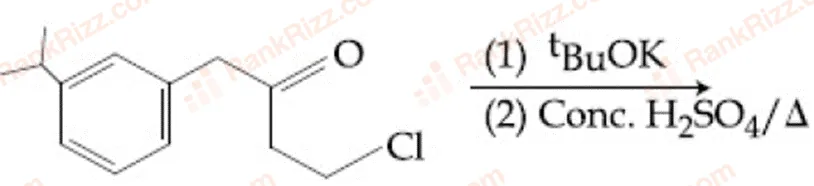
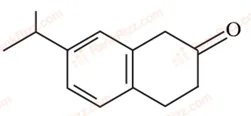
- (A)
The major product of the following reaction is:
- (A)
- (B)
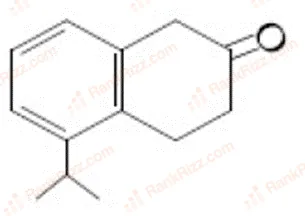
- (C)
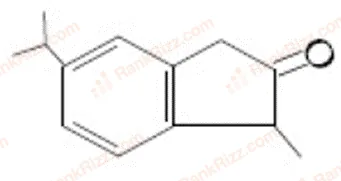
- (D)
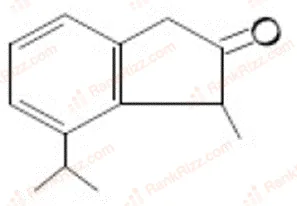
rr2.rankrizz.com/jee-main/chemistry/haloalkanes-and-haloarenes/q/8-apr-2019-s2-q54
- (A)
Which hydrogen in compound (E) is easily replaceable during bromination reaction in presence of light?
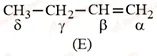
- (A)
-hydrogen
- (B)
-hydrogen
- (C)
-hydrogen
- (D)
-hydrogen
rr2.rankrizz.com/jee-main/chemistry/haloalkanes-and-haloarenes/q/10-jan-2019-s1-q44
- (A)
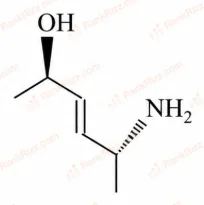
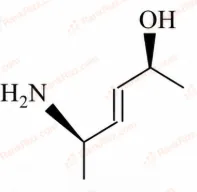
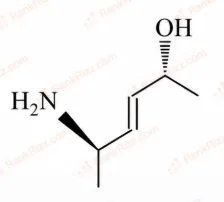
The major product of the following reaction is:
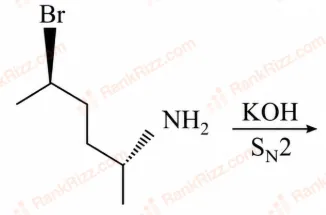
- (A)
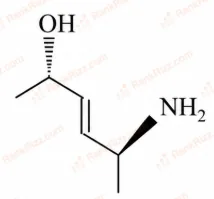
- (B)
- (C)
- (D)
rr2.rankrizz.com/jee-main/chemistry/haloalkanes-and-haloarenes/q/16-apr-2018-online-q55
- (A)
The major product of the following reaction is:
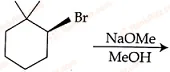
- (A)
- (B)
- (C)

- (D)

rr2.rankrizz.com/jee-main/chemistry/haloalkanes-and-haloarenes/q/8-apr-2018-offline-q54
- (A)
In the following reaction sequence:

Compound I is- (A)
- (B)
- (C)
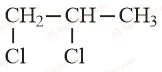
- (D)
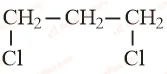
rr2.rankrizz.com/jee-main/chemistry/haloalkanes-and-haloarenes/q/9-apr-2017-online-q56
- (A)
The major product of the following reaction is:
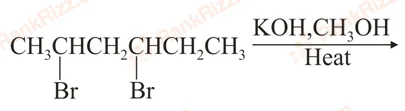
- (A)
- (B)
- (C)
- (D)
rr2.rankrizz.com/jee-main/chemistry/haloalkanes-and-haloarenes/q/8-apr-2017-online-q54
- (A)
The major product of the following reaction is:
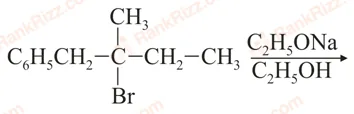
- (A)
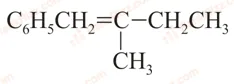
- (B)
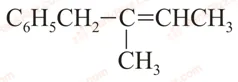
- (C)
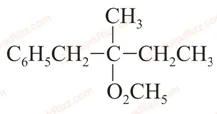
- (D)
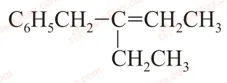
rr2.rankrizz.com/jee-main/chemistry/haloalkanes-and-haloarenes/q/8-apr-2017-online-q55
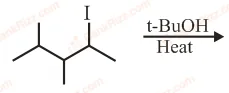
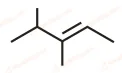
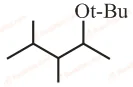
- (A)
The major product obtained in the following reaction is,
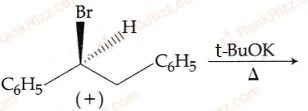
- (A)
CHCH = CHCH
- (B)
+ CHCHOtBuCHCH
- (C)
- CHCHOtBuCHCH
- (D)
± CHCHOtBuCHCH
rr2.rankrizz.com/jee-main/chemistry/haloalkanes-and-haloarenes/q/2-apr-2017-offline-q53
- (A)
The increasing order of the reactivity of the following halides for the S1 reaction is
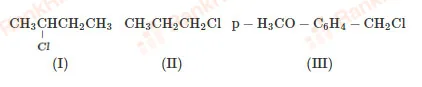
- (A)
(II) < (I) < (III)
- (B)
(I) < (III) < (II)
- (C)
(II) < (III) < (I)
- (D)
(III) < (II) < (I)
rr2.rankrizz.com/jee-main/chemistry/haloalkanes-and-haloarenes/q/2-apr-2017-offline-q54
- (A)
3-Methyl-pent-2-ene on reaction with HBr in presence of peroxide forms an addition product. The number of possible stereoisomers for the product is
- (A)
zero
- (B)
two
- (C)
four
- (D)
six
rr2.rankrizz.com/jee-main/chemistry/haloalkanes-and-haloarenes/q/2-apr-2017-offline-q55
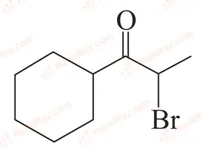
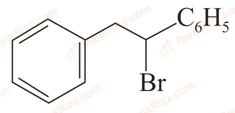
- (A)
Which of the following, upon treatment with tert-BuONa followed by addition of bromine water, fails to decolourize the colour of bromine?
- (A)
- (B)
- (C)
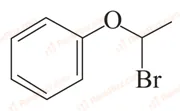
- (D)
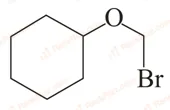
rr2.rankrizz.com/jee-main/chemistry/haloalkanes-and-haloarenes/q/2-apr-2017-offline-q56
- (A)
Which one of the following reagents is not suitable for the elimination reaction?

- (A)
NaI
- (B)
NaOEt/EtOH
- (C)
,
- (D)
- EtOH
rr2.rankrizz.com/jee-main/chemistry/haloalkanes-and-haloarenes/q/10-apr-2016-online-q54
- (A)
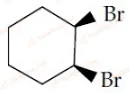
Bromination of cyclohexene under conditions given below yields:
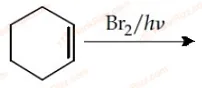
- (A)
- (B)
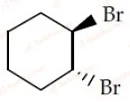
- (C)
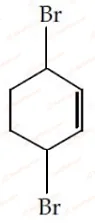
- (D)
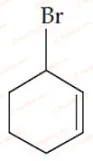
rr2.rankrizz.com/jee-main/chemistry/haloalkanes-and-haloarenes/q/10-apr-2016-online-q55
- (A)
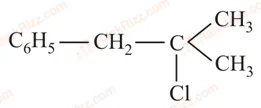
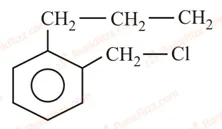
A compound A with molecular formula , gives a white precipitate on adding silver nitrate solution. A on reacting with alcoholic KOH gives compound B as the main product. B on ozonolysis, gives C and D. C gives Cannizaro reaction, but not aldol condensation. D gives aldol condensation, but not Cannizaro reaction. A is
- (A)
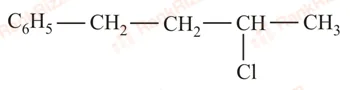
- (B)
- (C)

- (D)
rr2.rankrizz.com/jee-main/chemistry/haloalkanes-and-haloarenes/q/10-apr-2015-online-q43
- (A)
The synthesis of alkyl fluorides is best accomplished by:
- (A)
Swarts reaction
- (B)
Free radical fluorination
- (C)
Sandmeyer's reaction
- (D)
Finkelstein reaction
rr2.rankrizz.com/jee-main/chemistry/haloalkanes-and-haloarenes/q/4-apr-2015-offline-q54
- (A)
The major product formed when 1, 1, 1-trichloropropane is treated with aqueous potassium hydroxide is:
- (A)
2-Propanol
- (B)
Propyne
- (C)
Propionic acid
- (D)
1-Propanol
rr2.rankrizz.com/jee-main/chemistry/haloalkanes-and-haloarenes/q/19-apr-2014-online-q52
- (A)
For the compounds CHCl, CHBr, CHI and CHF, the correct order of increasing C-halogen bond length is:
- (A)
CHF < CHBr < CHCl < CHI
- (B)
CHF < CHI < CHBr < CHCl
- (C)
CHF < CHCl < CHBr < CHI
- (D)
CHCl < CHBr < CHF < CHI
rr2.rankrizz.com/jee-main/chemistry/haloalkanes-and-haloarenes/q/9-apr-2014-online-q53
- (A)
In a nucleophilic substitution reaction: R Br + Cl R Cl + Br, which one of the following undergoes complete inversion of configuration?
- (A)
CHCHCHBr
- (B)
CHCCHCHBr
- (C)
CHCHBr
- (D)
CHCHCHBr
rr2.rankrizz.com/jee-main/chemistry/haloalkanes-and-haloarenes/q/9-apr-2014-online-q54
- (A)
In S2 reactions, the correct order of reactivity for the following compounds: CHCl, CHCHCl, (CH)CHCl and (CH)CCl is:
- (A)
- (B)
- (C)
- (D)
rr2.rankrizz.com/jee-main/chemistry/haloalkanes-and-haloarenes/q/6-apr-2014-offline-q54
- (A)
In nucleophilic substitution reaction, order of halogens as incoming (attacking) nucleophile is: . The order of halogens as departing nucleophile should be :
- (A)
Br > I > Cl
- (B)
I > Br > Cl
- (C)
Cl > Br > I
- (D)
Cl > I > Br
rr2.rankrizz.com/jee-main/chemistry/haloalkanes-and-haloarenes/q/25-apr-2013-online-q52
- (A)
The order of reactivity of the given haloalkanes towards nucleophile is :
- (A)
RI > RBr > RCl
- (B)
RCl > RBr > RI
- (C)
RBr > RCl > RI
- (D)
RBr > RI > RCl
rr2.rankrizz.com/jee-main/chemistry/haloalkanes-and-haloarenes/q/23-apr-2013-online-q53
- (A)
A solution of (-)1-chloro-1-phenylethane in toluene racemises slowly in the presence of a small amount of , due to the formation of :
- (A)
Carbocation
- (B)
Free radical
- (C)
Carbanion
- (D)
Carbene
rr2.rankrizz.com/jee-main/chemistry/haloalkanes-and-haloarenes/q/7-apr-2013-offline-q44
- (A)
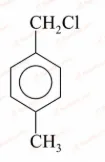
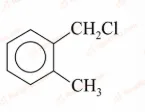
Compound (A), , gives a white precipitate when warmed with alcoholic AgNO. Oxidation of (A) gives an acid (B), . (B) easily forms anhydride on heating. Identify the compound (A).
- (A)
- (B)
- (C)
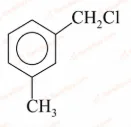
- (D)
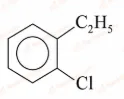
rr2.rankrizz.com/jee-main/chemistry/haloalkanes-and-haloarenes/q/7-apr-2013-offline-q57
- (A)
Consider the following bromides:
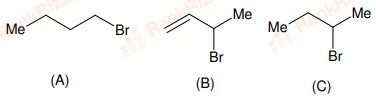
The correct order of reactivity is- (A)
- (B)
- (C)
- (D)
rr2.rankrizz.com/jee-main/chemistry/haloalkanes-and-haloarenes/q/2010-chemistry-499704
- (A)
Which of the following on heating with aqueous KOH, produces acetaldehyde?
- (A)
- (B)
- (C)
- (D)
rr2.rankrizz.com/jee-main/chemistry/haloalkanes-and-haloarenes/q/2009-chemistry-499621
- (A)
The organic chloro compound, which shows complete stereochemical inversion during a reaction, is
- (A)
- (B)
- (C)
- (D)
rr2.rankrizz.com/jee-main/chemistry/haloalkanes-and-haloarenes/q/2008-chemistry-499929
- (A)
Which of the following is the correct order of decreasing reactivity?
- (A)
- (B)
- (C)
- (D)
( a halogen)
rr2.rankrizz.com/jee-main/chemistry/haloalkanes-and-haloarenes/q/2007-chemistry-499819
- (A)
$
- (A)
D > C > A > B
- (B)
D > C > B > A
- (C)
A > B > C > D
- (D)
B > D > C > A
rr2.rankrizz.com/jee-main/chemistry/haloalkanes-and-haloarenes/q/2006-chemistry-500068
- (A)
Question:
Consider the reaction of bromoethane with two different cyanide reagents in an aqueous ethanolic solution:
Reaction 1:
Reaction 2:
Identify the major products A and B, respectively.
- (A)
Ethyl isocyanide and Propanenitrile (Ethyl cyanide)
- (B)
Propanenitrile (Ethyl cyanide) and Ethyl isocyanide
- (C)
Propanenitrile (Ethyl cyanide) in both reactions
- (D)
Ethyl isocyanide in both reactions
rr2.rankrizz.com/jee-main/chemistry/haloalkanes-and-haloarenes/q/2006-chemistry-500070
- (A)
Tertiary alkyl halides are practically inert to substitution by mechanism because of
- (A)
insolubility
- (B)
instability
- (C)
inductive effect
- (D)
steric hindrance
rr2.rankrizz.com/jee-main/chemistry/haloalkanes-and-haloarenes/q/2005-chemistry-500376
- (A)
Haloarenes 48
Given below are two statements:
Statement I: 3-phenylpropene reacts with HBr and gives secondary alkyl bromide having a chiral carbon atom as the major product.
Statement II: Aryl chlorides and aryl cyanides can be prepared by Sandmeyer reaction as well as Gattermann reaction.
In the light of the above statements, choose the correct answer from the options given below:- (A)
Both Statement I and Statement II are true
- (B)
Both Statement I and Statement II are false
- (C)
Statement I is true but Statement II is false
- (D)
Statement I is false but Statement II is true
rr2.rankrizz.com/jee-main/chemistry/haloalkanes-and-haloarenes/q/6-apr-2026-s1-q66
- (A)
Match the LIST-I with LIST-II.
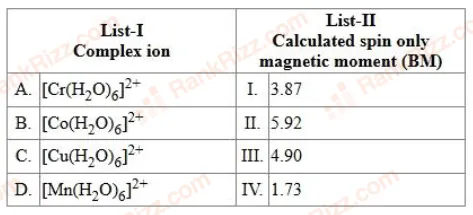
choose the correct answer from the options given below
- (A)
A-I, B-III, C-IV, D-II
- (B)
A-II, B-I, C-III, D-IV
- (C)
A-IV, B-II, C-I, D-III
- (D)
A-III, B-I, C-IV, D-II
rr2.rankrizz.com/jee-main/chemistry/haloalkanes-and-haloarenes/q/4-apr-2026-s1-q62
- (A)
As compared with chlorocyclohexane, which of the following statements correctly apply to chlorobenzene?
A. The magnitude of negative charge is more on chlorine atom.
B. The C - Cl bond has partial double bond character.
C. C - Cl bond is less polar.
D. C - Cl bond is longer due to repulsion between delocalised electrons of the aromatic ring and lone pairs of electrons of chlorine.
E. The C - Cl bond is formed using hybridised orbital of carbon.Choose the correct answer from the options given below:
- (A)
A, C and E Only
- (B)
A, D and E Only
- (C)
B, C and D Only
- (D)
B, C and E Only
rr2.rankrizz.com/jee-main/chemistry/haloalkanes-and-haloarenes/q/22-jan-2026-s1-q58
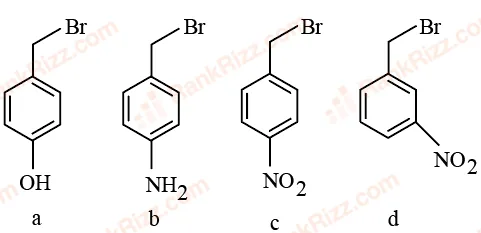
- (A)
The correct order of reactivity of the following benzyl halides towards reaction with KCN is:
- (A)
b > a > d > c
- (B)
a > b > c >d
- (C)
b> a >c >d
- (D)
a > b > d > c
rr2.rankrizz.com/jee-main/chemistry/haloalkanes-and-haloarenes/q/21-jan-2026-s2-q51
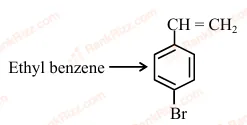
- (A)
Choose the correct set of reagents for the following conversion:
- (A)
; ; alc. KOH
- (B)
; ; aq. KOH
- (C)
; ; aq. KOH
- (D)
; ; alc. KOH
rr2.rankrizz.com/jee-main/chemistry/haloalkanes-and-haloarenes/q/2025-apr-8-s2-q54
- (A)
Match List-I with List-II.
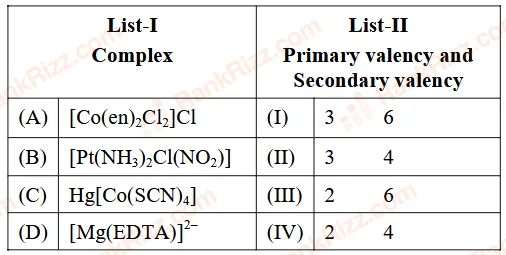
Choose the correct answer from the options given below :
- (A)
(A)-(III), (B)-(I), (C)-(II), (D)-(IV)
- (B)
(A)-(I), (B)-(IV), (C)-(II), (D)-(III)
- (C)
(A)-(I), (B)-(III), (C)-(II), (D)-(IV)
- (D)
(A)-(II), (B)-(III), (C)-(IV), (D)-(I)
rr2.rankrizz.com/jee-main/chemistry/haloalkanes-and-haloarenes/q/2025-apr-7-s2-q62
- (A)
In the following series of reactions identify the major products A & B respectively.
Bromobenzene A (Major product) B (Major product)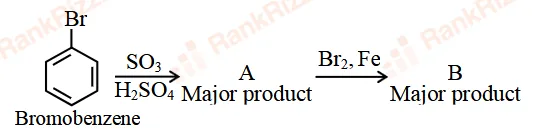
- (A)
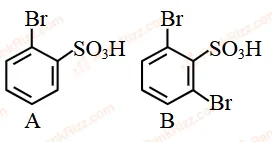
- (B)
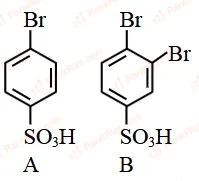
- (C)
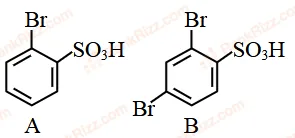
- (D)
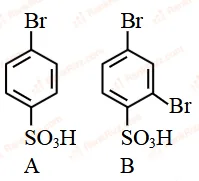
rr2.rankrizz.com/jee-main/chemistry/haloalkanes-and-haloarenes/q/2025-apr-3-s2-q58
- (A)
In The following substitution reaction :
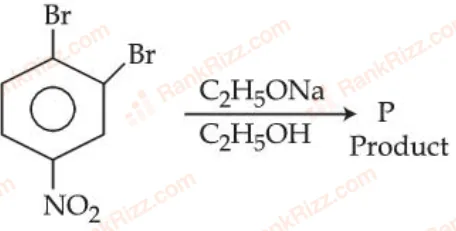
product 'P'formed is :- (A)
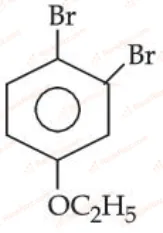
- (B)
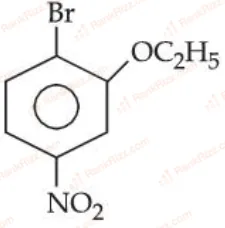
- (C)
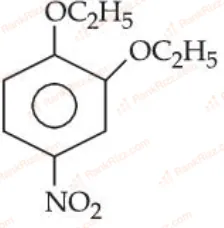
- (D)
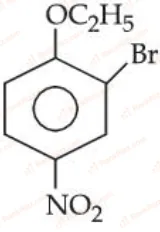
rr2.rankrizz.com/jee-main/chemistry/haloalkanes-and-haloarenes/q/29-jan-2025-s1-q69
- (A)
In the following sequence of reaction, the major products B and C respectively are :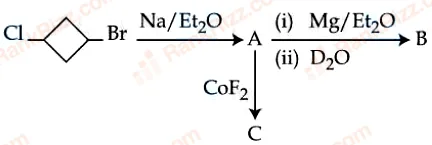
- (A)

- (B)
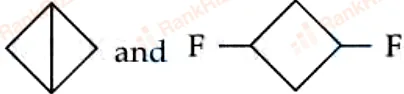
- (C)

- (D)

rr2.rankrizz.com/jee-main/chemistry/haloalkanes-and-haloarenes/q/9-apr-2024-s1-q48
- (A)
The number of halobenzenes from the following that can be prepared by Sandmeyer's reaction is ______
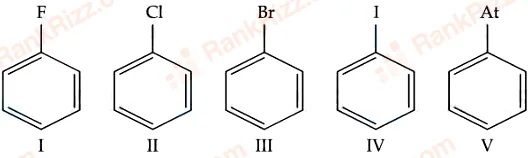
Answer: ____________
rr2.rankrizz.com/jee-main/chemistry/haloalkanes-and-haloarenes/q/5-apr-2024-s1-q58
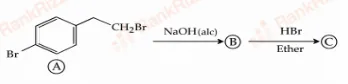
Identify (B) and (C) and how are (A) and (C) related ?
- (A)

- (B)

- (C)

- (D)

rr2.rankrizz.com/jee-main/chemistry/haloalkanes-and-haloarenes/q/04-apr-2024-s1-q38
- (A)
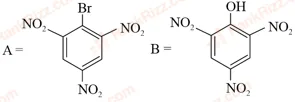
Identify and in the following reaction sequence:
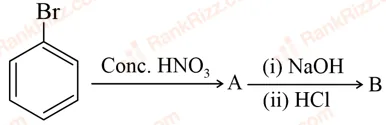
- (A)
- (B)
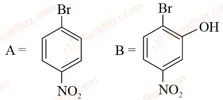
- (C)
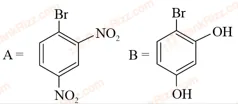
- (D)
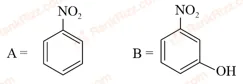
rr2.rankrizz.com/jee-main/chemistry/haloalkanes-and-haloarenes/q/31-jan-2024-s2-q41
- (A)
Given below are two statements : one is labelled as Assertion A and the other is labelled as Reason R :
Assertion A : Aryl halides cannot be prepared by replacement of hydroxyl group of phenol by halogen atom.
Reason R : Phenols react with halogen acids violently.
In the light of the above statements, choose the most appropriate from the options given below:- (A)
Both A and R are true but R is NOT the correct explanation of A
- (B)
A is false but R is true
- (C)
A is true but R is false
- (D)
Both A and R are true and R is the correct explanation of A
rr2.rankrizz.com/jee-main/chemistry/haloalkanes-and-haloarenes/q/29-jan-2024-s1-q48
- (A)
The major product formed in the Friedel-Craft acylation of chlorobenzene is
- (A)
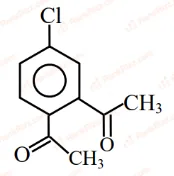
- (B)
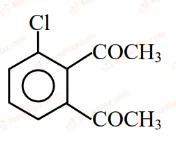
- (C)
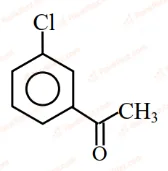
- (D)
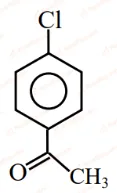
rr2.rankrizz.com/jee-main/chemistry/haloalkanes-and-haloarenes/q/15-apr-2023-s1-q45
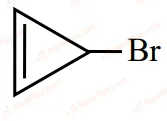
- (A)
Compound from the following that will not produce precipitate on reaction with AgNO is
- (A)
- (B)
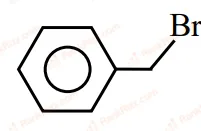
- (C)
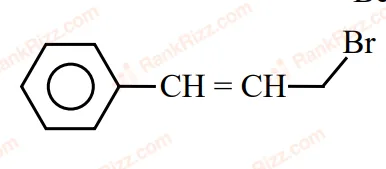
- (D)
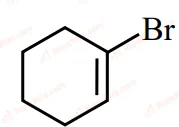
rr2.rankrizz.com/jee-main/chemistry/haloalkanes-and-haloarenes/q/11-apr-2023-s2-q35
- (A)
Identify the correct order of reactivity for the following pairs towards the respective mechanism
(A)
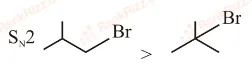
(B)
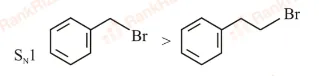
(C) Electrophilic substitution
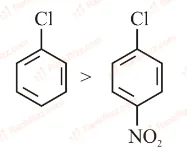
(D) Nucleophilic substitution
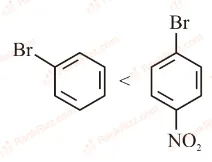
Choose the correct answer from the options given below:- (A)
B, C and D only
- (B)
A, B, C and D
- (C)
A, B and D only
- (D)
A, C and D only
rr2.rankrizz.com/jee-main/chemistry/haloalkanes-and-haloarenes/q/10-apr-2023-s1-q46
- (A)
The correct order of reactivity of following haloarenes towards nucleophilic substitution with aqueous NaOH is:
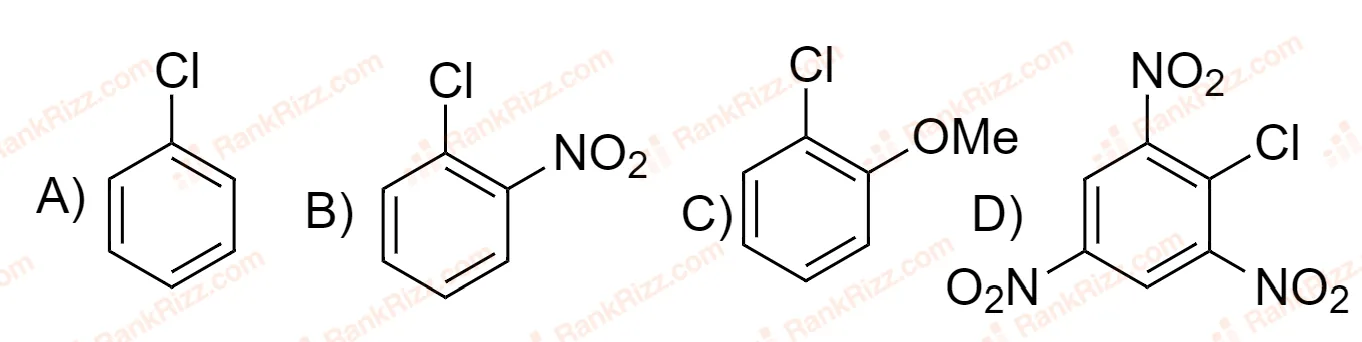
- (A)
A > B > D > C
- (B)
C > A > D > B
- (C)
D > C > B > A
- (D)
D > B > A > C
rr2.rankrizz.com/jee-main/chemistry/haloalkanes-and-haloarenes/q/08-apr-2023-s2-q49
- (A)
Identify the incorrect option from the following:
- (A)
Option 1 (see figure)
- (B)
Option 2 (see figure)
- (C)
Option 3 (see figure)
- (D)
Option 4 (see figure)
rr2.rankrizz.com/jee-main/chemistry/haloalkanes-and-haloarenes/q/01-feb-2023-s1-q45
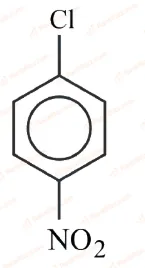
- (A)
The compound which will have the lowest rate towards nucleophilic aromatic substitution on treatment with OH is
- (A)
- (B)
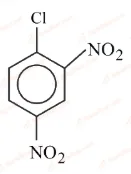
- (C)
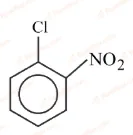
- (D)
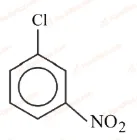
rr2.rankrizz.com/jee-main/chemistry/haloalkanes-and-haloarenes/q/25-jan-2023-s1-q35
- (A)
Number of moles of AgCl formed in the following reaction is _____.
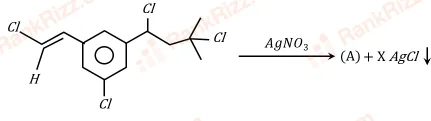
Answer: ____________
rr2.rankrizz.com/jee-main/chemistry/haloalkanes-and-haloarenes/q/24-jan-2023-s1-q60
Number of moles of AgCl formed in the following reaction is _____.
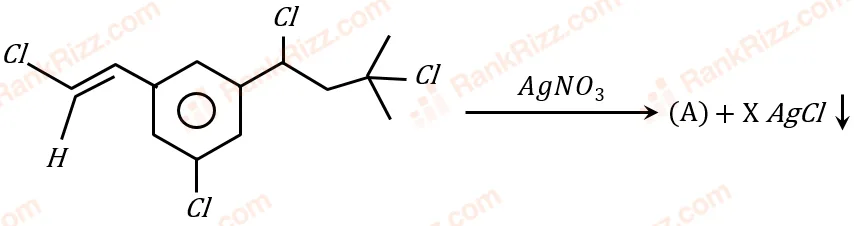
Answer: ____________
rr2.rankrizz.com/jee-main/chemistry/haloalkanes-and-haloarenes/q/24-jan-2023-s1-q60-494078
In the given conversion the compound A is:
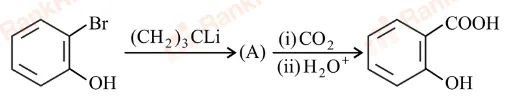
- (A)
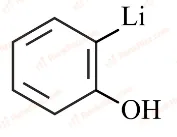
- (B)
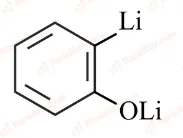
- (C)
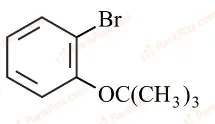
- (D)
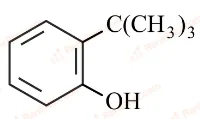
rr2.rankrizz.com/jee-main/chemistry/haloalkanes-and-haloarenes/q/29-jun-2022-s1-q44
- (A)
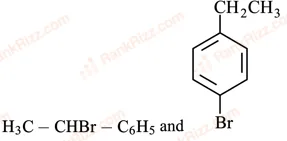
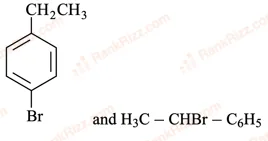
Two isomers (A) and (B) with Molar mass 184 g/mol and elemental composition C, 52.2%; H, 49% and Br 42.9% gave benzoic acid and p-bromobenzoic acid, respectively on oxidation with KMnO. Isomer 'A' is optically active and gives a pale yellow precipitate when warmed with alcoholic AgNO. Isomer 'A' and 'B' are, respectively:
- (A)
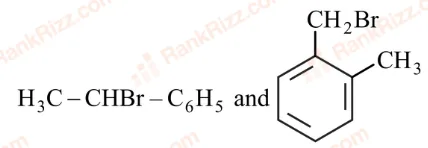
- (B)
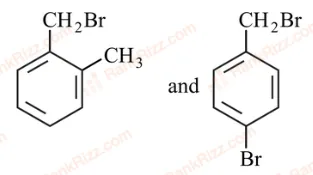
- (C)
- (D)
rr2.rankrizz.com/jee-main/chemistry/haloalkanes-and-haloarenes/q/29-jun-2022-s2-q45
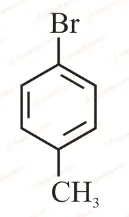
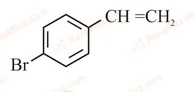
- (A)
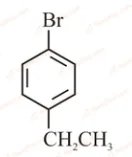
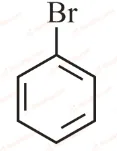
Consider the following reaction,

What is A in the above reaction?- (A)
- (B)
- (C)
- (D)
rr2.rankrizz.com/jee-main/chemistry/haloalkanes-and-haloarenes/q/28-jun-2022-s2-q44
- (A)
The major product of the following reaction contains ______ bromine atom(s).
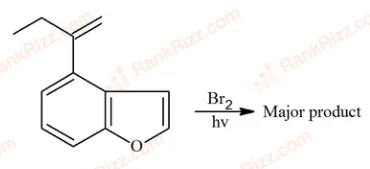
Answer: ____________
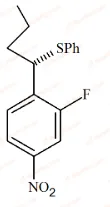
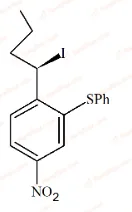
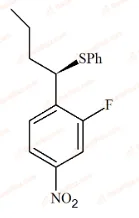
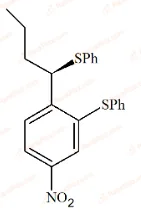
rr2.rankrizz.com/jee-main/chemistry/haloalkanes-and-haloarenes/q/28-jun-2022-s2-q59
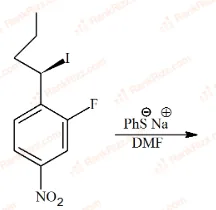
The major product of the following reaction is
- (A)
- (B)
- (C)
- (D)
rr2.rankrizz.com/jee-main/chemistry/haloalkanes-and-haloarenes/q/27-jun-2022-s1-q44
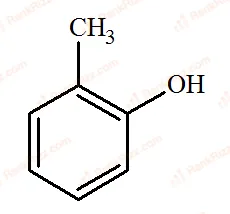
- (A)
Halogenation of which one of the following will yield m-substituted product with respect to methyl group as a major product?
- (A)
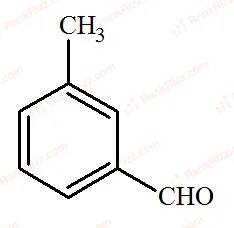
- (B)
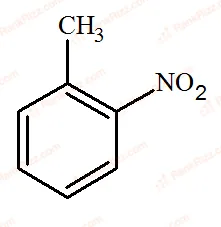
- (C)
- (D)
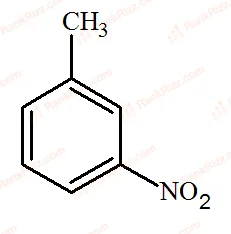
rr2.rankrizz.com/jee-main/chemistry/haloalkanes-and-haloarenes/q/26-jun-2022-s2-q39
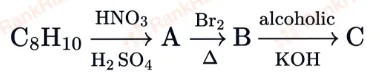
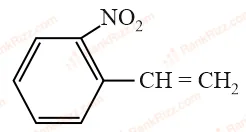
- (A)
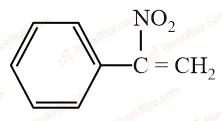
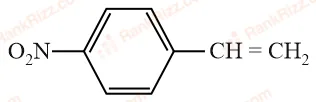
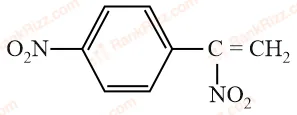
In the given reaction sequence, the major product 'C' is :
- (A)
- (B)
- (C)
- (D)
rr2.rankrizz.com/jee-main/chemistry/haloalkanes-and-haloarenes/q/24-jun-2022-s1-q38
- (A)
Among the following compounds I - IV, which one forms a yellow precipitate on reacting sequentially with
(i) NaOH (ii) dil. HNO (iii) AgNO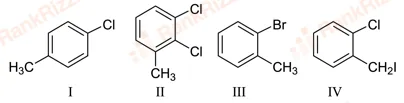
- (A)
III
- (B)
II
- (C)
I
- (D)
IV
rr2.rankrizz.com/jee-main/chemistry/haloalkanes-and-haloarenes/q/26-aug-2021-s1-q37
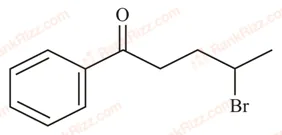
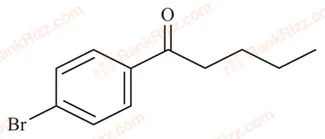
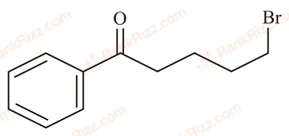
- (A)
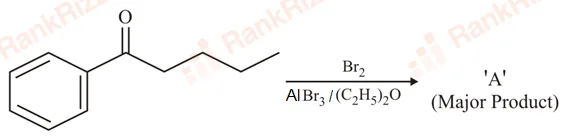
Consider the given reaction, the Product A is:- (A)
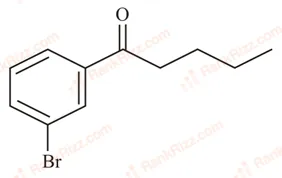
- (B)
- (C)
- (D)
rr2.rankrizz.com/jee-main/chemistry/haloalkanes-and-haloarenes/q/26-aug-2021-s2-q36
- (A)
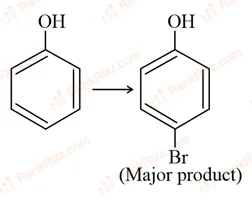
The given reaction can occur in the presence of:
(a) Bromine water
(b) in , 273 K
(c)
(d) in , 273 K
Choose the correct answer from the options given below:- (A)
(b) and (d) only
- (B)
(a) and (c) only
- (C)
(b), (c) and (d) only
- (D)
(a), (b) and (d) only
rr2.rankrizz.com/jee-main/chemistry/haloalkanes-and-haloarenes/q/25-jul-2021-s1-q43
- (A)
The correct decreasing order of densities of the following compounds is:
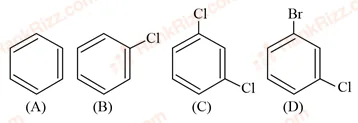
- (A)
(D) > (C) > (B) > (A)
- (B)
(C) > (D) > (A) > (B)
- (C)
(C) > (B) > (A) > (D)
- (D)
(A) > (B) > (C) > (D)
rr2.rankrizz.com/jee-main/chemistry/haloalkanes-and-haloarenes/q/25-jul-2021-s2-q38
- (A)
Given below are two statements :
Statement I : CHOH and AgCN both can generate nucleophile.
Statement II : KCN and AgCN both will generate nitrile nucleophile with all reaction conditions.
Choose the most appropriate option :- (A)
Statement I is true but statement II is false
- (B)
Both statement I and statement II are true
- (C)
Statement I is false but statement II is true
- (D)
Both statement I and statement II are false
rr2.rankrizz.com/jee-main/chemistry/haloalkanes-and-haloarenes/q/18-mar-2021-s2-q36
- (A)
The above reaction requires which of the following reaction conditions?
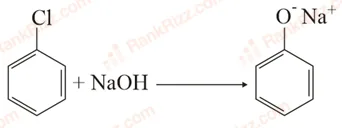
- (A)
573 K, Cu, 300 atm
- (B)
623 K, Cu, 300 atm
- (C)
573 K, 300 atm
- (D)
623 K, 300 atm
rr2.rankrizz.com/jee-main/chemistry/haloalkanes-and-haloarenes/q/17-mar-2021-s1-q45
- (A)
Match List-I with List-II.
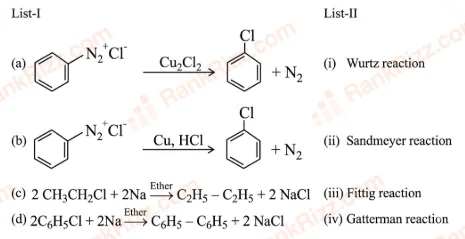
Choose the correct answer from the options given below :
- (A)
(a)(iii), (b)(iv), (c)(i), (d)(ii)
- (B)
(a)(ii), (b)(i), (c)(iv), (d)(iii)
- (C)
(a)(iii), (b)(i), (c)(iv), (d)(ii)
- (D)
(a)(ii), (b)(iv), (c)(i), (d)(iii)
rr2.rankrizz.com/jee-main/chemistry/haloalkanes-and-haloarenes/q/26-feb-2021-s2-q41
- (A)
The correct order of the following compounds showing increasing tendency towards nucleophilic substitution reaction is:
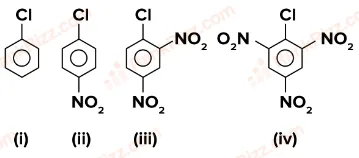
- (A)
(iv) < (i) < (ii) < (iii)
- (B)
(i) < (ii) < (iii) < (iv)
- (C)
(iv) < (i) < (iii) < (ii)
- (D)
(iv) < (iii) < (ii) < (i)
rr2.rankrizz.com/jee-main/chemistry/haloalkanes-and-haloarenes/q/24-feb-2021-s2-q38
- (A)
Which of these will produce the highest yield Friedel Crafts reaction?
- (A)

- (B)
- (C)

- (D)
rr2.rankrizz.com/jee-main/chemistry/haloalkanes-and-haloarenes/q/9-jan-2020-s1-q42
- (A)
Consider the following reactions:
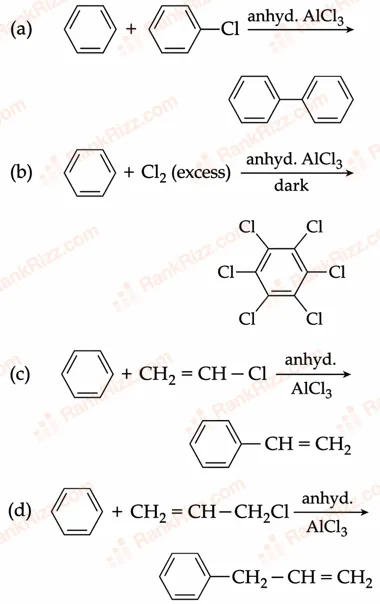
Which of these reactions are possible?- (A)
(a) and (b)
- (B)
(a) and (d)
- (C)
(b), (c) and (d)
- (D)
(b) and (d)
rr2.rankrizz.com/jee-main/chemistry/haloalkanes-and-haloarenes/q/7-jan-2020-s2-q42
- (A)
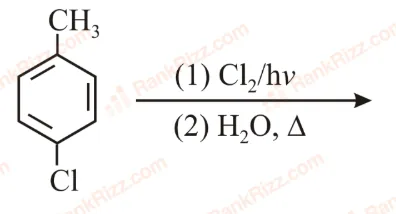
The major product of the following reaction is:
- (A)
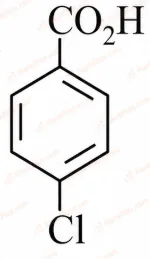
- (B)
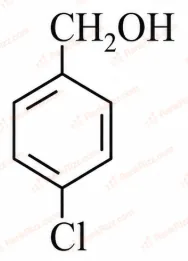
- (C)
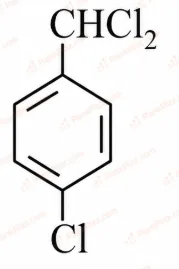
- (D)
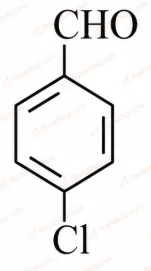
rr2.rankrizz.com/jee-main/chemistry/haloalkanes-and-haloarenes/q/8-apr-2019-s2-q55
- (A)
The major product in the following conversion is:

- (A)
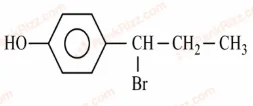
- (B)
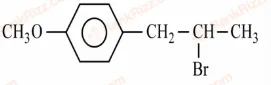
- (C)
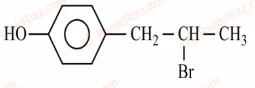
- (D)
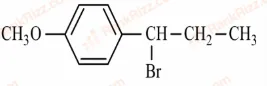
rr2.rankrizz.com/jee-main/chemistry/haloalkanes-and-haloarenes/q/12-jan-2019-s2-q53
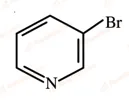
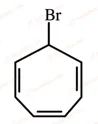
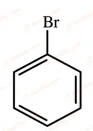
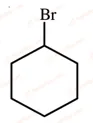
- (A)
Which of the following compounds will produce a precipitate with ?
- (A)
- (B)
- (C)
- (D)
rr2.rankrizz.com/jee-main/chemistry/haloalkanes-and-haloarenes/q/11-jan-2019-s2-q41
- (A)
The compounds A and B in the following reaction are, respectively:
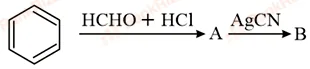
- (A)
A = Benzyl alcohol, B = Benzyl isocyanide
- (B)
A = Benzyl chloride, B = Benzyl isocyanide
- (C)
A = Benzyl alcohol, B = Benzyl cyanide
- (D)
A = Benzyl chloride, B = Benzyl cyanide
rr2.rankrizz.com/jee-main/chemistry/haloalkanes-and-haloarenes/q/9-jan-2019-s1-q43
- (A)
In the reaction given below what will be the major product at the end:
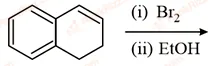
Options:- (A)
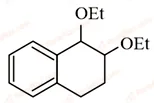
- (B)
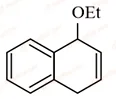
- (C)
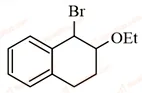
- (D)
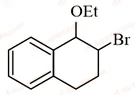
rr2.rankrizz.com/jee-main/chemistry/haloalkanes-and-haloarenes/q/9-jan-2019-s1-q54
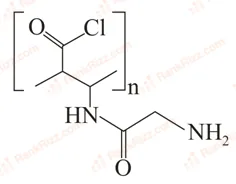
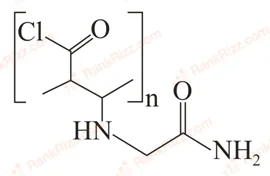
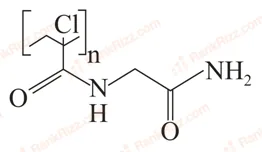
- (A)
Major product of the given below reaction:
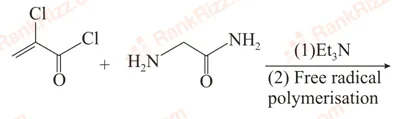
Options:- (A)
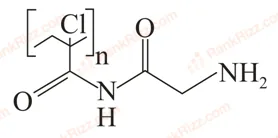
- (B)
- (C)
- (D)
rr2.rankrizz.com/jee-main/chemistry/haloalkanes-and-haloarenes/q/9-jan-2019-s1-q58
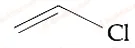
- (A)
Which of the following compounds will not undergo Friedel Crafts reaction with benzene?
- (A)
- (B)
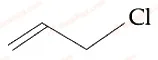
- (C)
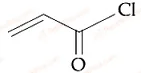
- (D)

rr2.rankrizz.com/jee-main/chemistry/haloalkanes-and-haloarenes/q/8-apr-2017-online-q45
- (A)
The major product of the reaction is:
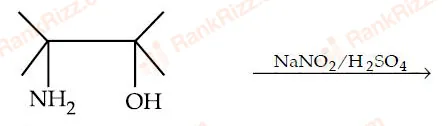
- (A)
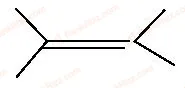
- (B)
- (C)
- (D)
rr2.rankrizz.com/jee-main/chemistry/haloalkanes-and-haloarenes/q/9-apr-2014-online-q58
- (A)
The Wurtz-Fittig reaction involves condensation of:
- (A)
two molecules of aryl halides
- (B)
one molecule of each of aryl-halide and alkyl-halide.
- (C)
one molecule of each of aryl-halide and phenol.
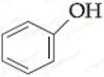
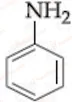
- (D)
two molecules of aralkyl-halides.
rr2.rankrizz.com/jee-main/chemistry/haloalkanes-and-haloarenes/q/22-apr-2013-online-q54
- (A)
Fluorobenzene can be synthesized in the laboratory
- (A)
by heating phenol with HF and KF
- (B)
from aniline by diazotisation followed by heating the diazonium salt with
- (C)
by direct fluorination of benzene with gas
- (D)
by reacting bromobenzene with NaF solution
rr2.rankrizz.com/jee-main/chemistry/haloalkanes-and-haloarenes/q/2006-chemistry-500069
- (A)
Polyhalogen compounds 6
Match List - I with List - II.
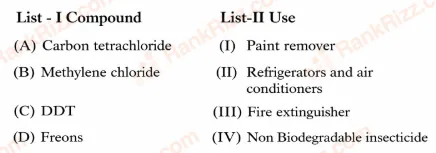
Choose the correct answer from the options given below:- (A)
(A)-(I), (B)-(II), (C)-(III), (D)-(IV)
- (B)
(A)-(III), (B)-(I), (C)-(IV), (D)-(II)
- (C)
(A)-(IV), (B)-(III), (C)-(II), (D)-(I)
- (D)
(A)-(II), (B)-(III), (C)-(I), (D)-(IV)
rr2.rankrizz.com/jee-main/chemistry/haloalkanes-and-haloarenes/q/01-feb-2024-s2-q36
- (A)
In the following halogenated organic compounds the one with maximum number of chlorine atoms in its structure is:
- (A)
Chloral
- (B)
Gammaxene
- (C)
Chloropicrin
- (D)
Freon-12
rr2.rankrizz.com/jee-main/chemistry/haloalkanes-and-haloarenes/q/31-jan-2023-s2-q45
- (A)
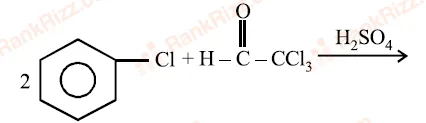
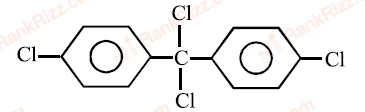
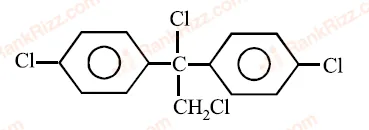
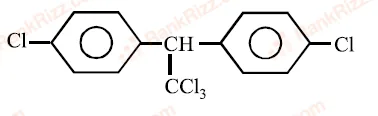
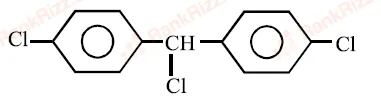
Chlorobenzene reacts with trichloro acetaldehyde in the presence of HSO. The major product formed is:
- (A)
- (B)
- (C)
- (D)
rr2.rankrizz.com/jee-main/chemistry/haloalkanes-and-haloarenes/q/11-apr-2014-online-q54
- (A)
The major organic compound formed by the reaction of 1, 1, 1 - trichloroethane with silver powder is:
- (A)
Acetylene
- (B)
Ethene
- (C)
2-Butyne
- (D)
2-Butene
rr2.rankrizz.com/jee-main/chemistry/haloalkanes-and-haloarenes/q/6-apr-2014-offline-q41
- (A)
What is DDT among the following:
- (A)
Greenhouse gas
- (B)
A fertilizer
- (C)
Biodegradable pollutant
- (D)
Non-biodegradable pollutant
rr2.rankrizz.com/jee-main/chemistry/haloalkanes-and-haloarenes/q/2012-chemistry-499062
- (A)
The compound formed on heating chlorobenzene with chloral in the presence concentrated sulphuric acid is
- (A)
gammexene
- (B)
hexachloroethane
- (C)
Freon
- (D)
DDT
rr2.rankrizz.com/jee-main/chemistry/haloalkanes-and-haloarenes/q/2004-chemistry-500414
- (A)
Haloalkanes: preparation and physical properties 2
Assertion: In case of isomeric dihalobenzenes, the p-isomers have greater boiling point than the ortho and meta-isomers.
Reason: The greater symmetry of p-isomers allows them to pack more efficiently in the crystal lattice than their ortho and meta counterparts.
Choose the correct option.
- (A)
Both Assertion and Reason are true, and Reason is the correct explanation of Assertion.
- (B)
Both Assertion and Reason are true, but Reason is not the correct explanation of Assertion.
- (C)
Assertion is true, but Reason is false.
- (D)
Assertion is false, but Reason is true.
rr2.rankrizz.com/jee-main/chemistry/haloalkanes-and-haloarenes/q/2026-chemistry-516680
- (A)
Which of the following statements is wrong?
- (A)
Ethyl chloride on reduction with couple and alcohol gives ethane.
- (B)
The reaction of methyl magnesium bromide with acetone gives butanol-2.
- (C)
Alkyl halides follow the following reactivity sequence on reaction with alkenes.
- (D)
may exist in two isomeric forms
rr2.rankrizz.com/jee-main/chemistry/haloalkanes-and-haloarenes/q/2012-chemistry-499433
- (A)
Elimination reactions (E1 and E2) 2
Reaction of trans-2-phenyl-1-bromocyclopentane on reaction with alcoholic KOH produces
- (A)
4-phenylcyclopentene
- (B)
2-phenylcyclopentene
- (C)
1-phenylcyclopentene
- (D)
3-phenylcyclopentene
rr2.rankrizz.com/jee-main/chemistry/haloalkanes-and-haloarenes/q/2006-chemistry-500071
- (A)
Elimination of bromine from 2-bromobutane results in the formation of-
- (A)
equimolar mixture of 1 and 2-butene
- (B)
predominantly 2-butene
- (C)
predominantly 1-butene
- (D)
predominantly 2-butyne
rr2.rankrizz.com/jee-main/chemistry/haloalkanes-and-haloarenes/q/2005-chemistry-500382
- (A)
Grignard reagents and other organometallic reactions 2
Phenyl magnesium bromide reacts with methanol to give
- (A)
a mixture of anisole and Mg(OH)Br
- (B)
a mixture of benzene and Mg(OMe)Br
- (C)
a mixture of toluene and Mg(OH)Br
- (D)
a mixture of phenol and Mg(Me)Br
rr2.rankrizz.com/jee-main/chemistry/haloalkanes-and-haloarenes/q/2006-chemistry-500073
- (A)
Alkyl halides react with dialkyl copper reagents to give
- (A)
alkenes
- (B)
alkyl copper halides
- (C)
alkanes
- (D)
alkenyl halides
rr2.rankrizz.com/jee-main/chemistry/haloalkanes-and-haloarenes/q/2005-chemistry-500380
- (A)
Answer key
- 01 A
- 02 30
- 03 A
- 04 C
- 05 D
- 06 A
- 07 B
- 08 3
- 09 C
- 10 C
- 11 A
- 12 B
- 13 C
- 14 B
- 15 B
- 16 B
- 17 184
- 18 C
- 19 D
- 20 D
- 21 A
- 22 C
- 23 D
- 24 B
- 25 B
- 26 B
- 27 D
- 28 D
- 29 A
- 30 D
- 31 A
- 32 C
- 33 D
- 34 C
- 35 C
- 36 A
- 37 D
- 38 10
- 39 A
- 40 A
- 41 D
- 42 D
- 43 D
- 44 B
- 45 A
- 46 A
- 47 C
- 48 A
- 49 C
- 50 D
- 51 D
- 52 A
- 53 B
- 54 C
- 55 C
- 56 C
- 57 C
- 58 C
- 59 B
- 60 C
- 61 B
- 62 C
- 63 D
- 64 2
- 65 C
- 66 B
- 67 C
- 68 A
- 69 3
- 70 C
- 71 C
- 72 B
- 73 A
- 74 B
- 75 A
- 76 D
- 77 D
- 78 D
- 79 D
- 80 C
- 81 B
- 82 C
- 83 D
- 84 B
- 85 B
- 86 D
- 87 A
- 88 B
- 89 B
- 90 B
- 91 A
- 92 D
- 93 B
- 94 D
- 95 D
- 96 B
- 97 A
- 98 D
- 99 A
- 100 D
- 101 C
- 102 C
- 103 A
- 104 A
- 105 A
- 106 A
- 107 A
- 108 C
- 109 D
- 110 A
- 111 D
- 112 B
- 113 A
- 114 C
- 115 C
- 116 D
- 117 B
- 118 B
- 119 A
- 120 A
- 121 B
- 122 A
- 123 D
- 124 D
- 125 B
- 126 A
- 127 B
- 128 D
- 129 C
- 130 D
- 131 D
- 132 A
- 133 A
- 134 B
- 135 B
- 136 D
- 137 D
- 138 2
- 139 C
- 140 A
- 141 C
- 142 D
- 143 D
- 144 B
- 145 D
- 146 B
- 147 C
- 148 2
- 149 2
- 150 B
- 151 C
- 152 C
- 153 1
- 154 A
- 155 C
- 156 B
- 157 D
- 158 A
- 159 C
- 160 A
- 161 A
- 162 D
- 163 D
- 164 B
- 165 D
- 166 D
- 167 D
- 168 A
- 169 B
- 170 B
- 171 D
- 172 D
- 173 A
- 174 D
- 175 B
- 176 B
- 177 B
- 178 B
- 179 C
- 180 C
- 181 D
- 182 D
- 183 D
- 184 B
- 185 D
- 186 B
- 187 B
- 188 C
Past questions are reproduced with their sitting. Not affiliated with NTA or the IITs. Every question, online and free: rr2.rankrizz.com/jee-main/chemistry/haloalkanes-and-haloarenes